
How Accurate and Safe Are 3D-Guided Dental Implants?

July 24, 2024
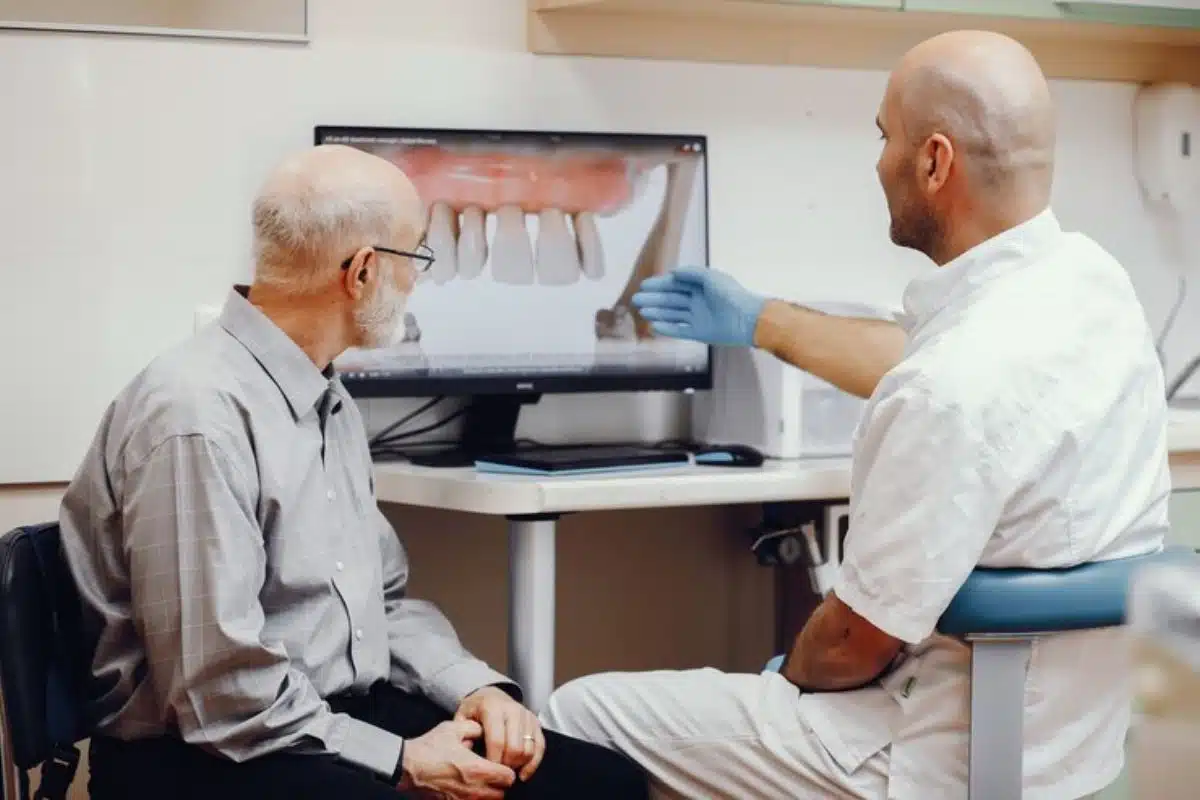
Featured image for “How Accurate and Safe Are 3D-Guided Dental Implants?”

Dental implants have revolutionized the field of dentistry, providing a reliable and long-term solution for missing teeth. With advancements in technology, 3D-guided dental implants have emerged as a cutting-edge technique that enhances the accuracy and safety of dental implant procedures. In this blog, we will explore the accuracy and safety of 3D-guided dental implants, and why they are becoming the preferred choice for both patients and implant dentists.

What Are 3D Guided Dental Implants?

3D-guided dental implants use advanced imaging technology to create a precise map of the patient’s oral structure. This technology involves the use of cone beam computed tomography (CBCT) scans and specialized software to design a detailed surgical guide. The guide ensures the implant is placed at the exact location, angle, and depth as planned, minimizing the risk of errors and complications.

The Importance of Accuracy in Dental Implants

Accuracy is crucial in dental implant procedures to ensure the success and longevity of the implant. Traditional methods rely heavily on the skill and experience of the implant dentist, which can lead to variations in placement. Misplacement of implants can result in complications such as nerve damage, sinus perforation, and implant failure.

3D guided dental implants significantly improve accuracy by providing a visual roadmap for the implant dentist. This ensures that the implant is placed in the optimal position, avoiding critical structures and achieving the best possible outcome for the patient.

Enhanced Planning and Visualization

One of the key benefits of 3D guided dental implants is the enhanced planning and visualization capabilities. The CBCT scan captures a 3D image of the patient’s jawbone, teeth, and surrounding structures. This detailed image allows the implant dentist to assess the bone quality and quantity, identify potential issues, and plan the procedure with precision.

The software used in 3D-guided implantology allows for virtual simulation of the implant placement. The implant dentist can visualize different scenarios, make adjustments, and choose the best approach before the actual surgery. This level of planning reduces uncertainties and increases the chances of a successful implant procedure.

How 3D-Implant Improved Patient Safety?

Safety is a paramount concern in any dental procedure. 3D guided dental implants enhance patient safety in several ways:

1. Reduced Surgical Time: With precise planning and a surgical guide, the actual implant placement is quicker and more efficient. This reduces the time the patient spends under anesthesia and minimizes discomfort.

2. Minimized Risk of Complications: The accuracy of 3D-guided implants reduces the risk of complications such as nerve injury, sinus perforation, and damage to adjacent teeth. The implant dentist can avoid critical anatomical structures with confidence.

3. Predictable Outcomes: The meticulous planning involved in 3D guided implants leads to predictable outcomes. Patients can expect a higher success rate and long-term stability of their dental implants.

The Role of Technology in 3D Guided Implants

The technology behind 3D guided dental implants is constantly evolving, making the procedure even more accurate and safe. Some of the key technological advancements include:

1. Digital Impressions: Traditional impressions can be uncomfortable and imprecise. Digital impressions capture the exact dimensions of the patient’s mouth, ensuring a better fit for the surgical guide.

2. Computer-Aided Design (CAD): CAD software allows for the precise design of the surgical guide. The guide is fabricated using 3D printing technology, ensuring it fits perfectly and guides the implant placement accurately.

3. Real-Time Navigation: Some advanced systems offer real-time navigation during the surgery, providing the implant dentist in Syracuse with live feedback. This enhances accuracy and allows for adjustments if necessary.

The Patient Experience with 3D Guided Implants

Patients who undergo 3D guided dental implant procedures often report a more positive experience compared to traditional methods. The benefits they typically experience include:

1. Less Discomfort: The precise nature of the procedure means less trauma to the surrounding tissues, resulting in less post-operative pain and swelling.

2. Shorter Recovery Time: With reduced surgical time and minimal tissue damage, patients generally experience a faster recovery.

3. Higher Satisfaction: The predictability and success rate of 3D-guided implants lead to higher patient satisfaction. Patients appreciate the accuracy and professionalism that come with advanced technology.

3D guided dental implants represent a significant advancement in dental technology, providing unparalleled accuracy and safety. By leveraging advanced imaging and computer-guided planning, implant dentists can achieve optimal implant placement, minimizing risks and enhancing patient outcomes. If you are considering a dental implant, opting for a 3D-guided procedure can ensure a smoother, safer, and more successful experience. Always consult with a qualified implant dentist to explore the best options for your dental health.


Share:
July 24, 2024

Dental implants have revolutionized the field of dentistry, providing a reliable and long-term solution for missing teeth. With advancements in technology, 3D-guided dental implants have emerged as a cutting-edge technique that enhances the accuracy and safety of dental implant procedures. In this blog, we will explore the accuracy and safety of 3D-guided dental implants, and why they are becoming the preferred choice for both patients and implant dentists.

What Are 3D Guided Dental Implants?

3D-guided dental implants use advanced imaging technology to create a precise map of the patient’s oral structure. This technology involves the use of cone beam computed tomography (CBCT) scans and specialized software to design a detailed surgical guide. The guide ensures the implant is placed at the exact location, angle, and depth as planned, minimizing the risk of errors and complications.

The Importance of Accuracy in Dental Implants

Accuracy is crucial in dental implant procedures to ensure the success and longevity of the implant. Traditional methods rely heavily on the skill and experience of the implant dentist, which can lead to variations in placement. Misplacement of implants can result in complications such as nerve damage, sinus perforation, and implant failure.

3D guided dental implants significantly improve accuracy by providing a visual roadmap for the implant dentist. This ensures that the implant is placed in the optimal position, avoiding critical structures and achieving the best possible outcome for the patient.

Enhanced Planning and Visualization

One of the key benefits of 3D guided dental implants is the enhanced planning and visualization capabilities. The CBCT scan captures a 3D image of the patient’s jawbone, teeth, and surrounding structures. This detailed image allows the implant dentist to assess the bone quality and quantity, identify potential issues, and plan the procedure with precision.

The software used in 3D-guided implantology allows for virtual simulation of the implant placement. The implant dentist can visualize different scenarios, make adjustments, and choose the best approach before the actual surgery. This level of planning reduces uncertainties and increases the chances of a successful implant procedure.

How 3D-Implant Improved Patient Safety?

Safety is a paramount concern in any dental procedure. 3D guided dental implants enhance patient safety in several ways:

1. Reduced Surgical Time: With precise planning and a surgical guide, the actual implant placement is quicker and more efficient. This reduces the time the patient spends under anesthesia and minimizes discomfort.

2. Minimized Risk of Complications: The accuracy of 3D-guided implants reduces the risk of complications such as nerve injury, sinus perforation, and damage to adjacent teeth. The implant dentist can avoid critical anatomical structures with confidence.

3. Predictable Outcomes: The meticulous planning involved in 3D guided implants leads to predictable outcomes. Patients can expect a higher success rate and long-term stability of their dental implants.

The Role of Technology in 3D Guided Implants

The technology behind 3D guided dental implants is constantly evolving, making the procedure even more accurate and safe. Some of the key technological advancements include:

1. Digital Impressions: Traditional impressions can be uncomfortable and imprecise. Digital impressions capture the exact dimensions of the patient’s mouth, ensuring a better fit for the surgical guide.

2. Computer-Aided Design (CAD): CAD software allows for the precise design of the surgical guide. The guide is fabricated using 3D printing technology, ensuring it fits perfectly and guides the implant placement accurately.

3. Real-Time Navigation: Some advanced systems offer real-time navigation during the surgery, providing the implant dentist in Syracuse with live feedback. This enhances accuracy and allows for adjustments if necessary.

The Patient Experience with 3D Guided Implants

Patients who undergo 3D guided dental implant procedures often report a more positive experience compared to traditional methods. The benefits they typically experience include:

1. Less Discomfort: The precise nature of the procedure means less trauma to the surrounding tissues, resulting in less post-operative pain and swelling.

2. Shorter Recovery Time: With reduced surgical time and minimal tissue damage, patients generally experience a faster recovery.

3. Higher Satisfaction: The predictability and success rate of 3D-guided implants lead to higher patient satisfaction. Patients appreciate the accuracy and professionalism that come with advanced technology.

3D guided dental implants represent a significant advancement in dental technology, providing unparalleled accuracy and safety. By leveraging advanced imaging and computer-guided planning, implant dentists can achieve optimal implant placement, minimizing risks and enhancing patient outcomes. If you are considering a dental implant, opting for a 3D-guided procedure can ensure a smoother, safer, and more successful experience. Always consult with a qualified implant dentist to explore the best options for your dental health.


Share: