315-422-0894


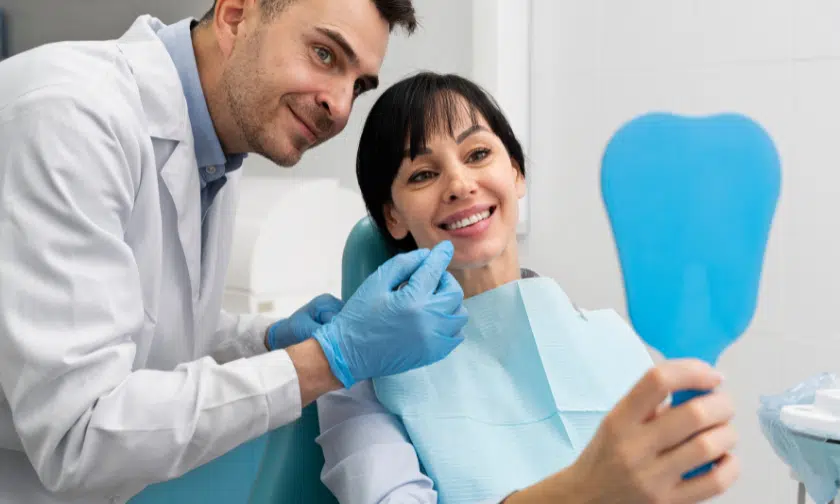
A healthy mouth is one of the most important parts of your overall health, but many people overlook the importance of taking care of their teeth and gums. In this article, we’ll discuss why oral hygiene is so important, what you can do to ensure good oral health, and the risks associated with poor oral hygiene. So read on to learn more about how you can keep your mouth healthy!
Introduction to Oral Health
Your oral health is just as important as your physical health. Poor oral hygiene can lead to a number of problems, including bad breath, tooth decay, and gum disease.
That’s why it’s so important to practice good oral hygiene habits. This means brushing your teeth twice a day, flossing daily, and using mouthwash. It’s also important to see your dentist regularly for checkups and cleanings.
By taking care of your teeth and gums, you can help prevent problems down the road. And, you’ll enjoy the benefits of having a healthy mouth!
Benefits of Good Oral Hygiene Practices
Your oral health is important to your overall health and well-being. Good oral hygiene practices can help prevent dental problems, such as gum disease, tooth decay, and bad breath.
Brushing your teeth twice a day with a fluoride toothpaste, flossing daily, and eating a healthy diet are all good ways to keep your mouth healthy. Regular visits to the dentist for professional cleanings and checkups can also help ensure that your mouth stays healthy.
Best Practices for Brushing and Flossing
There are a few things you can do to make sure you’re getting the most out of your brushing and flossing routine. First, be sure to brush at least twice a day for two minutes each time. Use a soft-bristled toothbrush and fluoride toothpaste. Be gentle when brushing, as too much force can damage your teeth and gums.
Floss daily to remove plaque and food particles from between your teeth. Use about 18 inches (45 cm) of floss, wrapped around your middle fingers. Gently slide the floss up and down between each tooth. Don’t forget to floss behind your back teeth!
Rinse with mouthwash after brushing and flossing to help kill bacteria and freshen your breath. You can use an over-the-counter mouthwash or one prescribed by your dentist. Swish the mouthwash around in your mouth for 30 seconds before spitting it out.
Signs of Poor Oral Health
The health of your mouth is a good indicator of your overall health, so it’s important to know the signs of poor oral health. Here are some things to look out for:
Bad breath: This is usually the first sign that something is wrong. If you have bad breath even after brushing and flossing, it could be a sign of gum disease or other oral problems.
Bleeding gums: Healthy gums should not bleed when you brush or floss. If your gums are bleeding, it’s a sign that they are inflamed and could be infected.
Red or swollen gums: Gums that are red, swollen, or tender could be a sign of gingivitis, which is an early stage of gum disease.
Receding gums: Gums that seem to be pulling away from your teeth may be a sign of periodontitis, which is a more advanced stage of gum disease. Periodontitis can lead to tooth loss if it’s not treated.
Loose teeth: Teeth that are loose or moving around in their sockets may be a sign of periodontitis. This condition can cause your teeth to fall out if it’s not treated.
Types of Dental Treatments Available
There are many different types of dental treatments available, and your dentist will be able to recommend the best option for you based on your individual needs. Some of the most common dental treatments include:
-Cavity fillings: This is one of the most basic and common dental treatments, and is used to treat cavities. The dentist will remove the decay from the tooth and then fill it with a filler material.
-Root canals: This procedure is used when the nerve of a tooth becomes infected or damaged. The dentist will clean out the infected tissue and then seal off the root canal.
-Tooth extractions: This is typically only done when a tooth is too damaged to be saved with a root canal or other treatment. The tooth will be removed from the socket and any necessary stitches will be placed.
-Dental implants: This is a more invasive procedure that is used to replace missing teeth. A metal post will be surgically placed into the jawbone, and then a artificial tooth will be attached to the post.
Understanding the Different Types of Toothpaste
When it comes to toothpaste, there are three main types: fluoride toothpaste, whitening toothpaste, and tartar control toothpaste. Each type of toothpaste has its own unique benefits that can help improve your oral health.
Fluoride Toothpaste: Fluoride is a mineral that helps to prevent tooth decay by making teeth more resistant to acids that can cause cavities. Fluoride toothpaste is the most effective type of toothpaste at preventing cavities and keeping teeth healthy.
Whitening Toothpaste: Whitening toothpaste can help to remove stains and discoloration from teeth, giving them a brighter appearance. While whitening toothpastes are not as effective as professional teeth whitening treatments, they can still help to improve the look of your smile.
Tartar Control Toothpaste: Tartar is a hard deposit that can form on teeth, and it can be difficult to remove once it forms. Tartar control toothpastes contain ingredients that help to break down tartar deposits and prevent them from forming in the first place.
How to Find a Dentist That’s Right For You
There are a few key things to look for when finding a dentist that’s right for you. First, consider what type of dental care you need. If you have simple needs like general teeth cleanings and checkups, any reputable dentist will likely be a good fit. However, if you have more complex needs, like dental implants or braces, you’ll want to make sure the dentist has experience and training in those specific areas.
Next, take into account your budget and what type of insurance coverage you have. Many dental offices offer a variety of payment options, so be sure to ask about this before making your decision. Finally, consider convenience factors like office hours and location. Choosing a dentist that’s close to your home or work can make it easier to keep up with your appointments.
Keep these factors in mind when choosing a dentist, and you’re sure to find one that’s a good fit for you!
Conclusion
Taking care of your oral health is essential for having a healthy mouth and ensuring good overall health. We hope that this article has been helpful in providing you with the information you need to properly maintain your oral health, from proper brushing and flossing techniques to understanding how dental diseases are caused and how they can be prevented. With the right knowledge and habits, you can ensure a lifetime of optimal oral hygiene!