315-422-0894


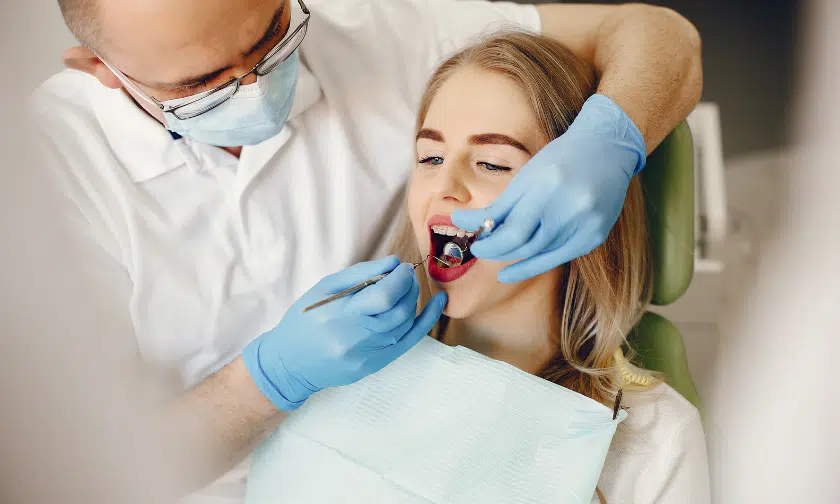
Are you nervous about the idea of oral surgery? Whether it’s to extract a tooth, remove wisdom teeth, or correct jaw issues, the thought of going under the knife can be daunting. But fear not! In this blog post, we’ll explore why oral surgery is sometimes necessary and offer tips on how to prepare for it. By understanding the reasons behind these procedures and knowing what to expect before and after surgery, you can feel confident in your decision to improve your dental health. So sit back and let us ease your worries as we delve into the world of oral surgery.
Post-Surgery Instructions
1. Rest your body and give yourself time to recover. Do not smoke or drink alcohol for at least 24 hours after surgery.
2. Take painkillers as prescribed by your surgeon to help with any discomfort.
3. Apply ice packs to your face for 20 minutes at a time, several times a day, for the first few days after surgery. This will help reduce swelling.
4. Eat soft foods and drink plenty of fluids for the first few days after surgery. Avoid hot drinks and straws to prevent disturbing any blood clots that may have formed in your mouth.
5. Rinse your mouth gently with warm salt water several times a day to help keep the area clean and free of infection. Spit out the water after each rinse.
6. Brush your teeth carefully, avoiding the surgical area, to keep your mouth clean and prevent infection.
7. Follow up with your surgeon as scheduled for check-ups and to have any stitches removed if necessary.
Effective Pain Management Strategies
There are a few things you can do to ensure that you have a speedy and comfortable recovery after your oral surgery. First, be sure to follow all of your surgeon’s instructions. This may include taking prescribed medications, eating soft foods, and avoiding strenuous activity.
Tips for Eating After Oral Surgery
1. Follow your oral surgeon’s instructions on what and how often to eat after your surgery.
2. Start with soft, easily digestible foods like soup, mashed potatoes, or yogurt.
3. Avoid hard, crunchy, or chewy foods that could irritate your surgical site.
Healing Time and Expected Outcomes After Oral Surgery
Most people heal from oral surgery without any major issues. The main thing is to follow your surgeon’s instructions for post-operative care. This will help ensure that you heal quickly and without any complications.
In general, you can expect the following:
1. Bleeding: There will be some bleeding immediately after surgery. This is to be expected and is nothing to worry about. However, if the bleeding is heavy or lasts for more than a few hours, please contact your surgeon.
2. Swelling: Swelling is also common after oral surgery. It typically peaks 24-48 hours after surgery and then gradually goes down over the next week or so. Again, if the swelling is excessive or does not seem to be improving, please contact your surgeon.
3. Pain: You will likely have some pain after oral surgery. Your surgeon will prescribe pain medication to help with this. Take the medication as directed and let your surgeon know if you are still in pain after a few days.
Alternatives to Oral Surgery
There are a few alternatives to oral surgery that your dentist may recommend. These include:
1. Dental implants: Dental implants are a great alternative to oral surgery. They are permanent and can last a lifetime with proper care.
2. Dentures: Dentures are another alternative to oral surgery. They can be removable or fixed, and they can also be custom-made to fit your mouth.
3. Bridge: A dental bridge is another option for replacing missing teeth. It is usually made of porcelain or metal, and it is cemented into place.
Recovering quickly and safely after your oral surgery requires proper planning, rest, and nutrition. By following the steps outlined in this article, you can get back to your normal routine with minimal discomfort or disruption. Take care of yourself during this recovery period by eating nutritious meals, getting plenty of sleep, following your doctor’s instructions closely, and being mindful of any pain or changes in your mouth. With the right preparation and a little TLC, post-surgery recovery doesn’t have to be so daunting!