

Smiling is contagious, and it’s no secret that a dazzling smile can light up any room. But what if you’re self-conscious about your teeth? A chipped or discolored tooth can make you hesitant to show off those pearly whites. Fortunately, dental crowns offer a solution that not only enhances the appearance of your smile but also improves the function of your teeth. In this blog post, we’ll explore how dental crowns work and the benefits they provide for your oral health and confidence!
What is a dental crown?
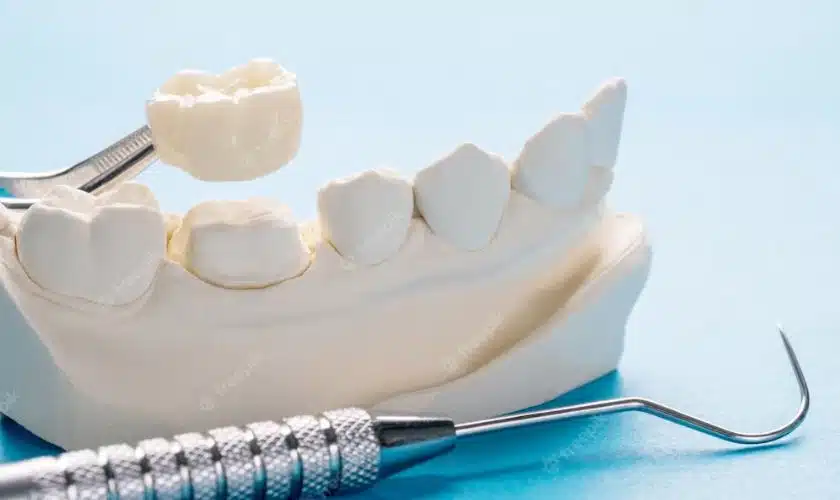
A dental crown is a restorative dental treatment that aims to protect and restore the functionality of a decayed or damaged tooth. It is essentially a cap that covers the entire visible portion of the affected tooth, helping to strengthen it and improve its appearance.
Dental crowns are usually made from materials such as porcelain, ceramic, metal alloys, or resin composites. Your dentist will determine which material is best suited for your specific needs based on factors such as the location of the affected tooth, color, and cost.
The process of placing a dental crown typically involves two appointments with your dentist. During the first appointment, your dentist will prepare the affected tooth by removing any decayed tissue and shaping it to accommodate the crown. They will also make an impression of your teeth, which will be used to create a custom-fit crown in a laboratory.
During this time, you may have to wear temporary crowns until permanent ones are ready. When you return for your second appointment, they’ll remove these temporaries and place permanent ones on their respective teeth using special cement.
Dental crowns can help improve both oral health and overall confidence in one’s smile. If you’re experiencing discomfort or damage to one or more teeth, then speaking with your local dentist about potential options such as dental crowns could be very beneficial!
Types of Dental Crowns
When it comes to dental crowns, there are several types available. Each type has its own unique advantages and disadvantages. Some popular options include porcelain, ceramic, metal, and gold.
Porcelain and ceramic crowns are often preferred for their natural appearance. They can be matched to the color of your existing teeth and blend in seamlessly with your smile. These types of crowns are typically used on front teeth where aesthetics are a top priority.
Metal crowns offer durability but may not be as visually appealing as other options due to their metallic color. However, they are often used for back teeth that require more strength when chewing.
Gold crowns have been used by dentists for centuries due to their strength and longevity. While some people find them aesthetically pleasing, others may prefer a more subtle option.
It’s important to discuss the different types of dental crown materials with your dentist before making a decision on which one is right for you based on your specific needs and preferences.
How Does a Dental Crown Enhance My Smile?
A dental crown can enhance your smile in several ways. First, it helps to cover up teeth that are discolored or stained due to various reasons, such as genetics, lifestyle habits like smoking and drinking coffee or tea, and age. By covering these imperfections with a tooth-colored material that matches the shade of your teeth, you instantly get a brighter and more attractive smile.
Secondly, if you have chipped or cracked teeth, crowns can help restore their natural shape and size while also providing additional strength to protect them from further damage. With this restoration option in place, you no longer have to worry about hiding your damaged teeth when smiling or speaking.
Moreover, dental crowns can fill gaps between missing teeth by being placed on adjacent natural teeth. This replaces the function of lost tooth structure so that biting pressure is properly distributed across all areas of the mouth.
Dental crowns provide an overall improvement in your oral health by improving bite alignment, which reduces stress on other parts of the mouth like the jawbone and gums, thus preventing further complications down the road.
What to expect after receiving a dental crown
After getting a dental crown, you may experience some discomfort, but this is normal and usually subsides after a few days. You can take over-the-counter painkillers to relieve any pain or sensitivity.
It’s important to avoid eating hard or sticky foods for the first few days after your crown placement. This will give the cement enough time to fully bond with your tooth.
You may also notice some slight differences in the way your new crown feels compared to your natural teeth. The shape and size of the crown should match those of your adjacent teeth, but it may take some time to get used to how it fits in your mouth.
Good oral hygiene is crucial when it comes to maintaining the longevity of your dental crown. Make sure you brush twice a day with fluoride toothpaste and floss daily around the crowned tooth.
Regular check-ups with your dentist are essential for monitoring the health of both your crowned tooth and the surrounding teeth and gums. With proper care, a dental crown can last up to 15 years!
Conclusion
Dental crowns are an excellent option for those who want to improve the appearance of their smile. With a variety of materials and types available, patients can choose the one that fits their budget and preferences. From restoring damaged teeth to covering discolored or misshapen ones, dental crowns can help you achieve a natural-looking and beautiful smile.
If you’re considering getting a dental crown, it’s important to talk to your dentist so they can evaluate your needs and recommend the best type for you. Remember that proper oral hygiene is crucial to maintaining the longevity of your crown.
Investing in a dental crown is not only beneficial for cosmetic reasons but also helps prevent further damage to your teeth. So why wait? Schedule an appointment with your dentist today and get ready to show off that stunning new smile!