
What To Do Before Visiting An Emergency Dentist?

January 10, 2024
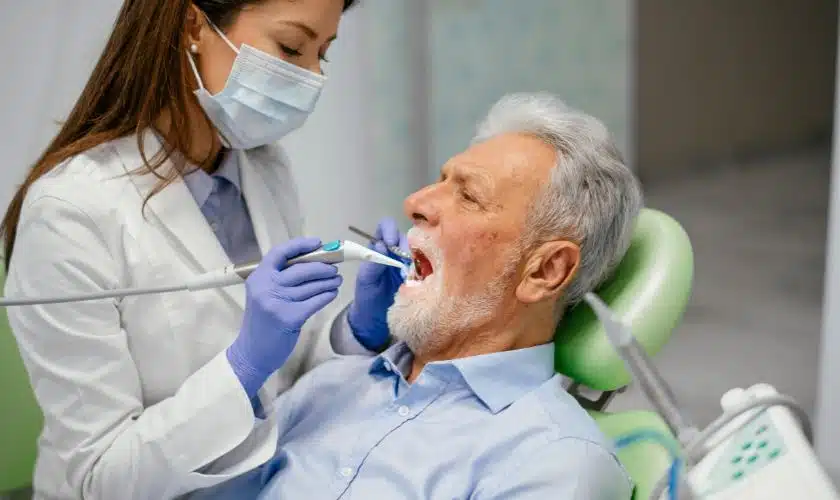
Featured image for “What To Do Before Visiting An Emergency Dentist?”

When a dental emergency strikes, it can be a stressful and painful experience. Whether it’s a sudden toothache, a broken tooth, or any other urgent dental issue, knowing what to do before visiting an emergency dentist can make a significant difference in managing the situation effectively. In this article, we will guide you through essential steps and considerations to ensure a smoother experience when seeking emergency dental care.

Assess The Severity of The Situation

The first and foremost step is to assess the severity of the dental issue. It is crucial to understand whether it’s a true emergency or a situation that can wait for a regular dental appointment. Emergencies often involve severe pain, bleeding, or the risk of further damage. If you are unsure, it’s better to err on the side of caution and seek immediate dental attention.

Contact Your Regular Dentist

Sometimes, your regular dentist can accommodate emergency appointments or guide you on what to do next. Contact their office and explain the situation, providing as much detail as possible. They can advise you on the urgency of the matter and may be able to schedule an emergency appointment or recommend a reputable emergency dentist.

Search For An Emergency Dentist Near You

If your regular dentist is unavailable or unable to provide immediate assistance, it’s essential to find an emergency dentist nearby. Perform a quick online search or call local dental clinics to inquire about emergency services. Make sure to choose a dentist who specializes in handling urgent dental issues and has experience in providing prompt care.

Verify The Emergency Dentist’s Credentials

Before visiting an emergency dentist, it’s crucial to verify their credentials and ensure they are qualified to provide the necessary care. Check their licensing, certifications, and reviews from other patients. This step helps you feel more confident in the quality of care you will receive during the emergency dental visit.

Gather Relevant Information

To streamline the emergency dental visit, gather all relevant information about your dental history and current situation. Bring any dental records, X-rays, or medications you are currently taking. This information can assist the emergency dentist in making informed decisions about your care and save valuable time during the visit.

Know Your Insurance Coverage

Understanding your dental insurance coverage is important when seeking emergency dental care. Contact your insurance provider to inquire about coverage for emergency services and any out-of-pocket expenses you may incur. Having this information beforehand can help you make informed decisions about your treatment options.

Prepare for Potential Pain Management

Dental emergencies often involve pain, and it’s helpful to be prepared for potential pain management. Over-the-counter pain relievers like ibuprofen or acetaminophen can provide temporary relief until you receive professional dental care. However, it’s crucial to follow dosage instructions and consult with the emergency dentist about any pain management strategies they recommend.

Have A Plan For Dental Trauma

In cases of dental trauma, such as a knocked-out tooth or a broken tooth, it’s essential to have a plan in place. If a tooth is knocked out, try to place it back into its socket, if possible gently. If not, store it in a container of milk or saliva and bring it with you to the emergency dentist. For a broken tooth, rinse your mouth with warm water and save any broken pieces to show the dentist.

Be Mindful of Covid-19 Protocols

In the current global landscape, it’s crucial to be mindful of COVID-19 protocols when visiting any healthcare facility, including emergency dental clinics. Call ahead to inquire about safety measures in place and follow any guidelines provided by the dental office. This may include wearing a mask, practicing social distancing, or completing a health screening before your visit.

Prepare For Aftercare

After receiving emergency dental care, it’s important to prepare for aftercare and follow any instructions provided by the dentist. This may include taking prescribed medications, avoiding certain foods, or scheduling follow-up appointments for further treatment. Following the dentist’s recommendations ensures a smoother recovery and helps prevent future dental issues.

While dental emergencies can be unexpected and challenging, taking proactive steps before visiting an emergency dentist can significantly improve the outcome. Assessing the severity of the situation, contacting your regular dentist, and finding a qualified emergency dentist are key initial steps. Gathering relevant information, knowing your insurance coverage, and being prepared for potential pain management are essential aspects of the preparation process. Additionally, having a plan for dental trauma, being mindful of COVID-19 protocols, and preparing for aftercare contribute to a more comprehensive approach to handling dental emergencies. By following these guidelines, you can navigate dental emergencies with greater confidence and ensure prompt and effective care for your oral health.


Share:
January 10, 2024

When a dental emergency strikes, it can be a stressful and painful experience. Whether it’s a sudden toothache, a broken tooth, or any other urgent dental issue, knowing what to do before visiting an emergency dentist can make a significant difference in managing the situation effectively. In this article, we will guide you through essential steps and considerations to ensure a smoother experience when seeking emergency dental care.

Assess The Severity of The Situation

The first and foremost step is to assess the severity of the dental issue. It is crucial to understand whether it’s a true emergency or a situation that can wait for a regular dental appointment. Emergencies often involve severe pain, bleeding, or the risk of further damage. If you are unsure, it’s better to err on the side of caution and seek immediate dental attention.

Contact Your Regular Dentist

Sometimes, your regular dentist can accommodate emergency appointments or guide you on what to do next. Contact their office and explain the situation, providing as much detail as possible. They can advise you on the urgency of the matter and may be able to schedule an emergency appointment or recommend a reputable emergency dentist.

Search For An Emergency Dentist Near You

If your regular dentist is unavailable or unable to provide immediate assistance, it’s essential to find an emergency dentist nearby. Perform a quick online search or call local dental clinics to inquire about emergency services. Make sure to choose a dentist who specializes in handling urgent dental issues and has experience in providing prompt care.

Verify The Emergency Dentist’s Credentials

Before visiting an emergency dentist, it’s crucial to verify their credentials and ensure they are qualified to provide the necessary care. Check their licensing, certifications, and reviews from other patients. This step helps you feel more confident in the quality of care you will receive during the emergency dental visit.

Gather Relevant Information

To streamline the emergency dental visit, gather all relevant information about your dental history and current situation. Bring any dental records, X-rays, or medications you are currently taking. This information can assist the emergency dentist in making informed decisions about your care and save valuable time during the visit.

Know Your Insurance Coverage

Understanding your dental insurance coverage is important when seeking emergency dental care. Contact your insurance provider to inquire about coverage for emergency services and any out-of-pocket expenses you may incur. Having this information beforehand can help you make informed decisions about your treatment options.

Prepare for Potential Pain Management

Dental emergencies often involve pain, and it’s helpful to be prepared for potential pain management. Over-the-counter pain relievers like ibuprofen or acetaminophen can provide temporary relief until you receive professional dental care. However, it’s crucial to follow dosage instructions and consult with the emergency dentist about any pain management strategies they recommend.

Have A Plan For Dental Trauma

In cases of dental trauma, such as a knocked-out tooth or a broken tooth, it’s essential to have a plan in place. If a tooth is knocked out, try to place it back into its socket, if possible gently. If not, store it in a container of milk or saliva and bring it with you to the emergency dentist. For a broken tooth, rinse your mouth with warm water and save any broken pieces to show the dentist.

Be Mindful of Covid-19 Protocols

In the current global landscape, it’s crucial to be mindful of COVID-19 protocols when visiting any healthcare facility, including emergency dental clinics. Call ahead to inquire about safety measures in place and follow any guidelines provided by the dental office. This may include wearing a mask, practicing social distancing, or completing a health screening before your visit.

Prepare For Aftercare

After receiving emergency dental care, it’s important to prepare for aftercare and follow any instructions provided by the dentist. This may include taking prescribed medications, avoiding certain foods, or scheduling follow-up appointments for further treatment. Following the dentist’s recommendations ensures a smoother recovery and helps prevent future dental issues.

While dental emergencies can be unexpected and challenging, taking proactive steps before visiting an emergency dentist can significantly improve the outcome. Assessing the severity of the situation, contacting your regular dentist, and finding a qualified emergency dentist are key initial steps. Gathering relevant information, knowing your insurance coverage, and being prepared for potential pain management are essential aspects of the preparation process. Additionally, having a plan for dental trauma, being mindful of COVID-19 protocols, and preparing for aftercare contribute to a more comprehensive approach to handling dental emergencies. By following these guidelines, you can navigate dental emergencies with greater confidence and ensure prompt and effective care for your oral health.


Share: