315-422-0894


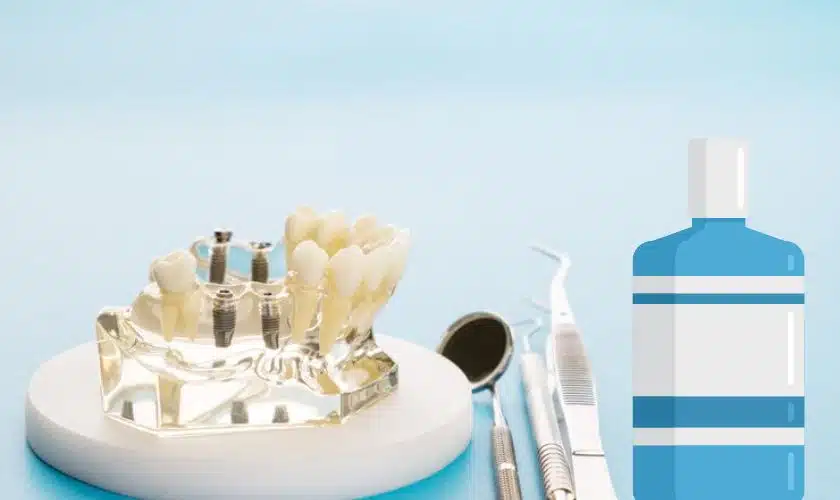
Maintaining excellent oral hygiene is essential for the long-term success of dental implants. While brushing and flossing are crucial, many patients wonder if mouthwash, specifically Listerine, is safe. The answer depends on several factors, including the stage of healing and the type of mouthwash used.
Why Use Mouthwash After Dental Implants?
Dental implants provide a natural look and function, but proper care is necessary to keep them in top condition. Mouthwash can offer additional benefits beyond brushing and flossing, such as:
1. Reducing Plaque and Bacteria
Mouthwash can reach areas that brushing and flossing might miss, helping to control plaque buildup and bacteria around the implant and gum tissue.
2. Preventing Bad Breath
Like natural teeth, food particles can become trapped around implants, leading to bad breath. Using good mouthwash can help freshen your breath and leave a clean, minty taste.
3. Minimizing Inflammation
Some mouthwashes contain ingredients that help reduce Inflammation, which is particularly important during the healing phase after implant surgery.
Can You Use Listerine with Dental Implants?
Listerine is widely known for its germ-killing properties, but if you have dental implants, you should use it cautiously. Here are some important considerations:
1. Healing Time Matters
Immediately after dental implant surgery, your dentist will provide specific aftercare instructions. During the initial healing period (typically 1-2 weeks), avoid using mouthwash, including Listerine, as it may irritate the surgical site and slow healing. Instead, rinse gently with warm salt water as recommended by your dentist.
2. Alcohol Content in Listerine
Original Listerine contains alcohol, which can contribute to dry mouth. Saliva is essential for washing away bacteria and maintaining a healthy oral environment. If you choose Listerine, consider an alcohol-free version to prevent potential irritation and dryness.
3. Ingredients to Avoid
Not all mouthwashes are ideal for dental implants. Be mindful of these ingredients:
- Peroxide: Whitening mouthwashes containing peroxide can be too abrasive and may irritate the gums around the implant.
- Chlorhexidine: While sometimes prescribed for short-term use after surgery, long-term use can lead to staining.
How to Choose the Best Mouthwash for Dental Implants?
When selecting a mouthwash to use with dental implants, keep these factors in mind:
- Look for the ADA Seal of Acceptance: This ensures that the mouthwash meets safety and effectiveness standards.
- Opt for an Alcohol-Free Formula: This helps prevent dry mouth and irritation.
- Choose Ingredients That Support Gum Health: Cetylpyridinium chloride (CPC) is a good option for keeping gums healthy.
Regular dental checkups are also key to maintaining the health of your implants. If you’re looking for expert care, a dentist in Syracuse, ny, can provide personalized recommendations for your oral hygiene routine.
Keep Your Dental Implants Healthy—Request an Appointment Today
Proper oral care, including brushing, flossing, and using the right mouthwash, will help ensure the longevity of your dental implants. If you have questions about your oral hygiene routine or need professional guidance, request an appointment today for expert dental care.