Dental Implant Alternatives: 10 Options for Replacing Missing Teeth

June 4, 2024
Featured image for “Dental Implant Alternatives: 10 Options for Replacing Missing Teeth”

Missing a tooth changes more than your smile. It can affect how you chew, how your bite lines up, and how the bone underneath holds up over time. Anyone researching dental implants in syracuse quickly finds there’s more than one way to fix a gap, and the right choice depends on your mouth, your budget, and your long term goals. This guide walks through ten real options, so you can talk to your dentist with a clearer picture of what fits your situation.

Why the Right Replacement Option Matters

When a tooth is lost, the jaw bone in that spot starts to shrink within a few months if nothing fills the space. This is often the point where people start typing “dentist near me” into a search bar without knowing which replacement option actually fits their situation. Some replacement options slow or stop this process. Others don’t address it at all. That difference alone can shape which option makes the most sense for you, especially if you’re looking years down the road instead of just the next few months.

Cost, healing time, and how natural the result feels also play a role. There isn’t one right answer for every patient, which is exactly why a dentist in syracuse walking you through the full picture matters more than picking based on price alone.

1. Dental Implants

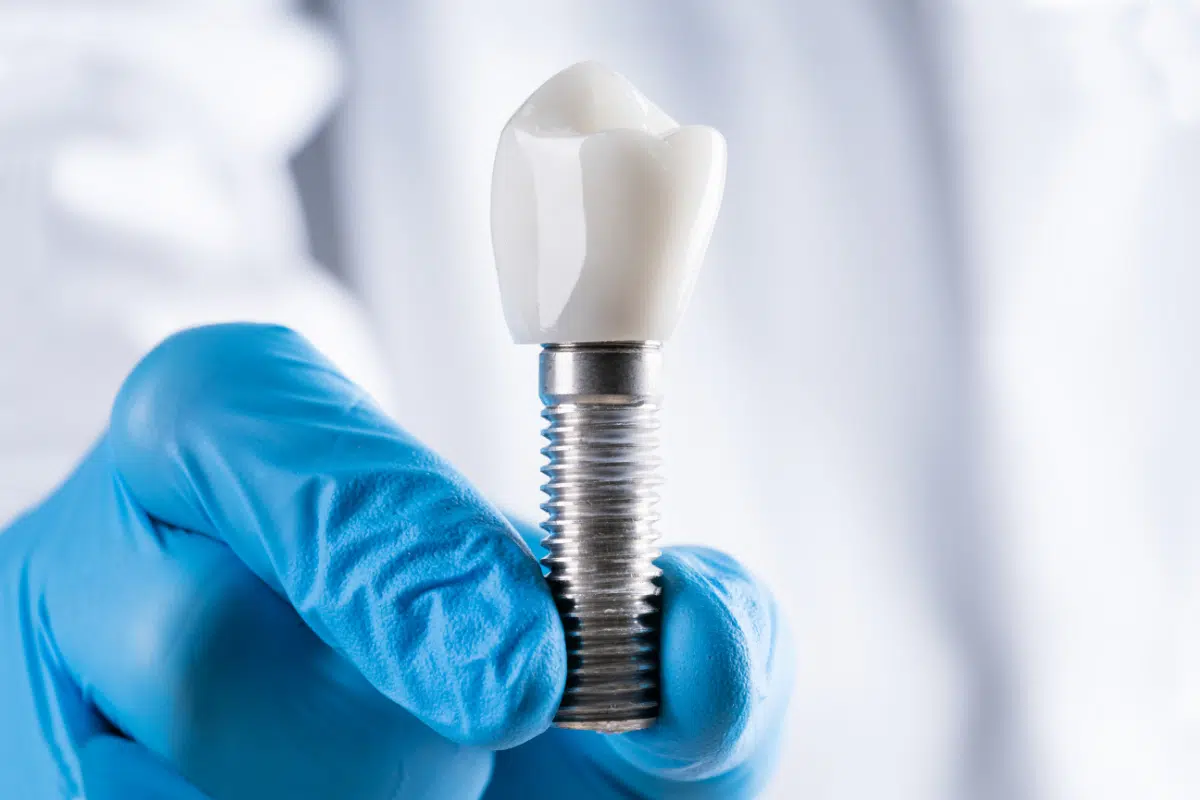
A dental implant replaces the whole tooth, root included. A titanium post is placed into the jaw bone, and once it heals, a custom crown is attached on top. Of all the options for dental implants in syracuse patients look into, this is the only one that actually preserves bone the way a natural tooth root does.

Implants tend to last the longest of any option, often twenty years or more with good care. They also don’t require any changes to the teeth next to the gap, which keeps your healthy teeth untouched.

2. All-on-4 Implants

For patients missing most or all of their teeth in one arch, All-on-4 uses just four implants to support a full set of replacement teeth. This avoids the need for one implant per missing tooth while still preserving a meaningful amount of bone.

Patients get a fixed set of teeth that doesn’t come out, unlike a traditional denture. Recovery does take some adjustment, but many patients find the stability worth it compared to older full mouth options.

3. Implant-Supported Dentures

This option combines a denture with a small number of implants, usually two to four, that the denture snaps onto. It’s a middle ground between full implants and a traditional removable denture.

The denture stays much more secure than one that just rests on the gums, which means better chewing and less worry about slipping while eating or talking. It also costs less than a full set of individual implants.

4. Traditional Fixed Bridge

A bridge fills a gap by anchoring a replacement tooth to the two teeth next to it. Those neighboring teeth get filed down to hold crowns that support the bridge in between.

Bridges work well for patients who aren’t candidates for implants due to bone loss or other health reasons. The tradeoff is that healthy teeth on either side of the gap get altered permanently, and bone loss under the bridge still continues since nothing replaces the root.

5. Implant-Supported Bridge

This version uses implants instead of your natural teeth to anchor the bridge. It’s a good option when several teeth in a row are missing but a full arch of implants isn’t needed or wanted.

Because implants support the bridge, your other natural teeth stay untouched. This gives you a middle path between a single implant per tooth and a traditional tooth-supported bridge.

6. Removable Partial Denture

A partial denture replaces several missing teeth with a removable appliance that clips onto your remaining natural teeth. It’s one of the more affordable options and can usually be made fairly quickly.

The main downside is that it doesn’t stop bone loss and can feel less stable than a fixed option. Many patients use a partial denture as a shorter term solution while planning for something more permanent.

7. Complete Denture

For patients missing all their teeth in one or both arches, a complete denture rests on the gums and is held in place by suction and adhesive. It’s often the most budget friendly option upfront.

Over time, as the jaw bone continues to shrink, dentures often need to be adjusted or replaced to keep fitting well. Many patients who start with a denture later look into implant-supported dentures once they experience the ongoing fit issues.

8. Resin-Bonded Bridge (Maryland Bridge)

This type of bridge uses a metal or ceramic wing bonded to the back of the neighboring teeth, instead of full crowns. It’s a more conservative option that preserves more of the natural tooth structure.

It works best for front teeth with light bite forces, since the bonding isn’t as strong as a traditional bridge. It’s often used as a longer term option for patients who aren’t ready for an implant yet.

9. Flipper Tooth (Temporary Option)

A flipper is a removable, lightweight appliance with one or a few replacement teeth attached to a plastic base. It’s meant to be a short term fix, often used while waiting for an implant to heal or a permanent bridge to be made.

It’s affordable and quick to make, but it isn’t built for daily chewing over the long run. Most dentists recommend it only as a temporary bridge to a more permanent solution.

10. Leaving the Gap (Why It’s Usually Not Recommended)

Some patients choose to do nothing, especially if the missing tooth is in the back of the mouth and not visible. This is technically an option, but it comes with real downsides.

Bone loss continues without anything to stop it. Nearby teeth can shift into the open space over time, throwing off your bite and making future treatment more complicated. According to guidance from the American Dental Association, replacing a missing tooth sooner rather than later tends to prevent larger problems down the road.

Comparing the Options at a Glance

Here’s a simple side by side look at how these choices stack up on the factors that matter most, whether you’re weighing dental implants in syracuse against a bridge or still deciding between a few options.

OptionStops Bone LossFixed or RemovableTypical Lifespan
Dental ImplantYesFixed20+ years
All-on-4YesFixed15+ years
Implant-Supported DentureYes (partial)Removable10 to 15 years
Traditional BridgeNoFixed10 to 15 years
Implant-Supported BridgeYesFixed15+ years
Partial DentureNoRemovable5 to 8 years
Complete DentureNoRemovable5 to 8 years
Resin-Bonded BridgeNoFixed5 to 10 years
Flipper ToothNoRemovableA few months to 1 year

This table is a starting point, not a final answer. Your dentist can walk you through which factors matter most in your specific case.

How to Decide What’s Right for You

A few honest questions can help point you toward the best option.

  • How many teeth are missing? A single gap has different options than a full arch.
  • What’s your bone health like? Bone loss may rule out some options or call for a bone graft first.
  • What’s your budget and timeline? Some options cost more upfront but last much longer.
  • Do you want something fixed or removable? Comfort and lifestyle both play a role here.

Bringing these questions to your first visit turns your search for a dentist in syracuse into an actual plan, instead of just a list of prices.

Know Our Doctors

Dr. Tyler Mead, DDS earned his biology degree from LeMoyne College before completing his DDS at the University at Buffalo School of Dental Medicine. He finished a General Practice Residency at York Hospital in Pennsylvania, where he gained hands on training in placing and restoring dental implants and was named Most Outstanding Resident of the Year. Dr. Mead has practiced dentistry since 2008, handling implant placement, crown and bridge work, extractions, and general family dentistry. He lives in Syracuse and stays active in the local community.

Dr. Chris Zimmerman, DMD has practiced in downtown Syracuse since 1993, working from the Historic University Building. He earned his dental degree from the University of Pennsylvania after graduating cum laude from LeMoyne College. Dr. Zimmerman focuses on dental implants, laser dentistry, Invisalign, and Cerec same day crowns, and he holds active membership with the American Dental Association and the New York State Dental Association.

Together, the doctors and their team of registered hygienists and certified assistants walk patients through every option on this list, helping match the right choice to each person’s mouth, budget, and goals.

Our Patients Review

Reviews from real patients often explain the decision process better than any brochure can.

“I have always had a great experience when going to this dental office! Everyone is very friendly and take excellent care of me. Paula was my Hygienist, Happy for her retirement…but  sad she’s leaving! So happy I was one of your last day appointments! Always enjoyed my dental appointments with her! She’s the Best!! So is Dr Zimmerman!” 

★★★★★ — (Pamela Giuliano)

That kind of honest, side by side explanation is what helps patients feel confident in whatever option they choose.

Frequently Asked Questions

1. What is the most affordable way to replace a missing tooth? 

A flipper tooth or partial denture is usually the lowest upfront cost, though both are shorter term solutions compared to a bridge or implant.

2. Which option lasts the longest? 

A dental implant typically lasts the longest, often twenty years or more with proper care, since it’s the only option that stops bone loss at the root.

3. Can I switch from a denture to implants later? 

Yes, many patients start with a denture and move to implant-supported options once they’re ready, though bone health at that point matters for what’s possible.

4. Do all replacement options require surgery? 

No. Bridges, partial dentures, and complete dentures don’t require surgery. Implants and implant-supported options do involve a minor surgical procedure.

5. Is a bridge better than an implant? 

It depends on your situation. A bridge avoids surgery but requires filing down healthy neighboring teeth and doesn’t stop bone loss the way an implant does.

6. How do I know which option fits my budget? 

Most dental offices review your insurance benefits and walk through payment plans during a consultation, so you know the real cost before committing.

7. Will insurance cover any of these options? 

Coverage varies widely by plan and by option. Bridges and dentures are often covered at a higher percentage than implants, though this depends on your specific policy.

8. What happens if I wait too long to decide? 

The longer a gap sits open, the more bone loss occurs and the more likely nearby teeth are to shift, which can limit your options later on.

Finding the Right Fit for Your Smile

Replacing a missing tooth isn’t a one size fits all decision. What works well for one patient might not be the right call for another, depending on bone health, budget, and how many teeth are involved. Understanding all ten of these options gives you a much stronger starting point than guessing or picking based on price alone.

If you’ve been comparing your options and aren’t sure where to start, a conversation with a dentist in syracuse who explains the full range of choices can make the decision much clearer. Downtown Dental Syracuse walks every patient through their specific situation before recommending any particular option, so nothing feels like guesswork.

Whether you’re missing one tooth or several, the team at Downtown Dental Syracuse is ready to talk through what fits your mouth and your life. If your search for dental implants in syracuse has led you here, reach out to schedule a consultation and get a clear answer on which option makes the most sense for you.


Share:
June 4, 2024

Missing a tooth changes more than your smile. It can affect how you chew, how your bite lines up, and how the bone underneath holds up over time. Anyone researching dental implants in syracuse quickly finds there’s more than one way to fix a gap, and the right choice depends on your mouth, your budget, and your long term goals. This guide walks through ten real options, so you can talk to your dentist with a clearer picture of what fits your situation.

Why the Right Replacement Option Matters

When a tooth is lost, the jaw bone in that spot starts to shrink within a few months if nothing fills the space. This is often the point where people start typing “dentist near me” into a search bar without knowing which replacement option actually fits their situation. Some replacement options slow or stop this process. Others don’t address it at all. That difference alone can shape which option makes the most sense for you, especially if you’re looking years down the road instead of just the next few months.

Cost, healing time, and how natural the result feels also play a role. There isn’t one right answer for every patient, which is exactly why a dentist in syracuse walking you through the full picture matters more than picking based on price alone.

1. Dental Implants

A dental implant replaces the whole tooth, root included. A titanium post is placed into the jaw bone, and once it heals, a custom crown is attached on top. Of all the options for dental implants in syracuse patients look into, this is the only one that actually preserves bone the way a natural tooth root does.

Implants tend to last the longest of any option, often twenty years or more with good care. They also don’t require any changes to the teeth next to the gap, which keeps your healthy teeth untouched.

2. All-on-4 Implants

For patients missing most or all of their teeth in one arch, All-on-4 uses just four implants to support a full set of replacement teeth. This avoids the need for one implant per missing tooth while still preserving a meaningful amount of bone.

Patients get a fixed set of teeth that doesn’t come out, unlike a traditional denture. Recovery does take some adjustment, but many patients find the stability worth it compared to older full mouth options.

3. Implant-Supported Dentures

This option combines a denture with a small number of implants, usually two to four, that the denture snaps onto. It’s a middle ground between full implants and a traditional removable denture.

The denture stays much more secure than one that just rests on the gums, which means better chewing and less worry about slipping while eating or talking. It also costs less than a full set of individual implants.

4. Traditional Fixed Bridge

A bridge fills a gap by anchoring a replacement tooth to the two teeth next to it. Those neighboring teeth get filed down to hold crowns that support the bridge in between.

Bridges work well for patients who aren’t candidates for implants due to bone loss or other health reasons. The tradeoff is that healthy teeth on either side of the gap get altered permanently, and bone loss under the bridge still continues since nothing replaces the root.

5. Implant-Supported Bridge

This version uses implants instead of your natural teeth to anchor the bridge. It’s a good option when several teeth in a row are missing but a full arch of implants isn’t needed or wanted.

Because implants support the bridge, your other natural teeth stay untouched. This gives you a middle path between a single implant per tooth and a traditional tooth-supported bridge.

6. Removable Partial Denture

A partial denture replaces several missing teeth with a removable appliance that clips onto your remaining natural teeth. It’s one of the more affordable options and can usually be made fairly quickly.

The main downside is that it doesn’t stop bone loss and can feel less stable than a fixed option. Many patients use a partial denture as a shorter term solution while planning for something more permanent.

7. Complete Denture

For patients missing all their teeth in one or both arches, a complete denture rests on the gums and is held in place by suction and adhesive. It’s often the most budget friendly option upfront.

Over time, as the jaw bone continues to shrink, dentures often need to be adjusted or replaced to keep fitting well. Many patients who start with a denture later look into implant-supported dentures once they experience the ongoing fit issues.

8. Resin-Bonded Bridge (Maryland Bridge)

This type of bridge uses a metal or ceramic wing bonded to the back of the neighboring teeth, instead of full crowns. It’s a more conservative option that preserves more of the natural tooth structure.

It works best for front teeth with light bite forces, since the bonding isn’t as strong as a traditional bridge. It’s often used as a longer term option for patients who aren’t ready for an implant yet.

9. Flipper Tooth (Temporary Option)

A flipper is a removable, lightweight appliance with one or a few replacement teeth attached to a plastic base. It’s meant to be a short term fix, often used while waiting for an implant to heal or a permanent bridge to be made.

It’s affordable and quick to make, but it isn’t built for daily chewing over the long run. Most dentists recommend it only as a temporary bridge to a more permanent solution.

10. Leaving the Gap (Why It’s Usually Not Recommended)

Some patients choose to do nothing, especially if the missing tooth is in the back of the mouth and not visible. This is technically an option, but it comes with real downsides.

Bone loss continues without anything to stop it. Nearby teeth can shift into the open space over time, throwing off your bite and making future treatment more complicated. According to guidance from the American Dental Association, replacing a missing tooth sooner rather than later tends to prevent larger problems down the road.

Comparing the Options at a Glance

Here’s a simple side by side look at how these choices stack up on the factors that matter most, whether you’re weighing dental implants in syracuse against a bridge or still deciding between a few options.

OptionStops Bone LossFixed or RemovableTypical Lifespan
Dental ImplantYesFixed20+ years
All-on-4YesFixed15+ years
Implant-Supported DentureYes (partial)Removable10 to 15 years
Traditional BridgeNoFixed10 to 15 years
Implant-Supported BridgeYesFixed15+ years
Partial DentureNoRemovable5 to 8 years
Complete DentureNoRemovable5 to 8 years
Resin-Bonded BridgeNoFixed5 to 10 years
Flipper ToothNoRemovableA few months to 1 year

This table is a starting point, not a final answer. Your dentist can walk you through which factors matter most in your specific case.

How to Decide What’s Right for You

A few honest questions can help point you toward the best option.

  • How many teeth are missing? A single gap has different options than a full arch.
  • What’s your bone health like? Bone loss may rule out some options or call for a bone graft first.
  • What’s your budget and timeline? Some options cost more upfront but last much longer.
  • Do you want something fixed or removable? Comfort and lifestyle both play a role here.

Bringing these questions to your first visit turns your search for a dentist in syracuse into an actual plan, instead of just a list of prices.

Know Our Doctors

Dr. Tyler Mead, DDS earned his biology degree from LeMoyne College before completing his DDS at the University at Buffalo School of Dental Medicine. He finished a General Practice Residency at York Hospital in Pennsylvania, where he gained hands on training in placing and restoring dental implants and was named Most Outstanding Resident of the Year. Dr. Mead has practiced dentistry since 2008, handling implant placement, crown and bridge work, extractions, and general family dentistry. He lives in Syracuse and stays active in the local community.

Dr. Chris Zimmerman, DMD has practiced in downtown Syracuse since 1993, working from the Historic University Building. He earned his dental degree from the University of Pennsylvania after graduating cum laude from LeMoyne College. Dr. Zimmerman focuses on dental implants, laser dentistry, Invisalign, and Cerec same day crowns, and he holds active membership with the American Dental Association and the New York State Dental Association.

Together, the doctors and their team of registered hygienists and certified assistants walk patients through every option on this list, helping match the right choice to each person’s mouth, budget, and goals.

Our Patients Review

Reviews from real patients often explain the decision process better than any brochure can.

“I have always had a great experience when going to this dental office! Everyone is very friendly and take excellent care of me. Paula was my Hygienist, Happy for her retirement…but  sad she’s leaving! So happy I was one of your last day appointments! Always enjoyed my dental appointments with her! She’s the Best!! So is Dr Zimmerman!” 

★★★★★ — (Pamela Giuliano)

That kind of honest, side by side explanation is what helps patients feel confident in whatever option they choose.

Frequently Asked Questions

1. What is the most affordable way to replace a missing tooth? 

A flipper tooth or partial denture is usually the lowest upfront cost, though both are shorter term solutions compared to a bridge or implant.

2. Which option lasts the longest? 

A dental implant typically lasts the longest, often twenty years or more with proper care, since it’s the only option that stops bone loss at the root.

3. Can I switch from a denture to implants later? 

Yes, many patients start with a denture and move to implant-supported options once they’re ready, though bone health at that point matters for what’s possible.

4. Do all replacement options require surgery? 

No. Bridges, partial dentures, and complete dentures don’t require surgery. Implants and implant-supported options do involve a minor surgical procedure.

5. Is a bridge better than an implant? 

It depends on your situation. A bridge avoids surgery but requires filing down healthy neighboring teeth and doesn’t stop bone loss the way an implant does.

6. How do I know which option fits my budget? 

Most dental offices review your insurance benefits and walk through payment plans during a consultation, so you know the real cost before committing.

7. Will insurance cover any of these options? 

Coverage varies widely by plan and by option. Bridges and dentures are often covered at a higher percentage than implants, though this depends on your specific policy.

8. What happens if I wait too long to decide? 

The longer a gap sits open, the more bone loss occurs and the more likely nearby teeth are to shift, which can limit your options later on.

Finding the Right Fit for Your Smile

Replacing a missing tooth isn’t a one size fits all decision. What works well for one patient might not be the right call for another, depending on bone health, budget, and how many teeth are involved. Understanding all ten of these options gives you a much stronger starting point than guessing or picking based on price alone.

If you’ve been comparing your options and aren’t sure where to start, a conversation with a dentist in syracuse who explains the full range of choices can make the decision much clearer. Downtown Dental Syracuse walks every patient through their specific situation before recommending any particular option, so nothing feels like guesswork.

Whether you’re missing one tooth or several, the team at Downtown Dental Syracuse is ready to talk through what fits your mouth and your life. If your search for dental implants in syracuse has led you here, reach out to schedule a consultation and get a clear answer on which option makes the most sense for you.


Share: