
A Guide to Post-treatment Care for Periodontal Disease

July 17, 2024
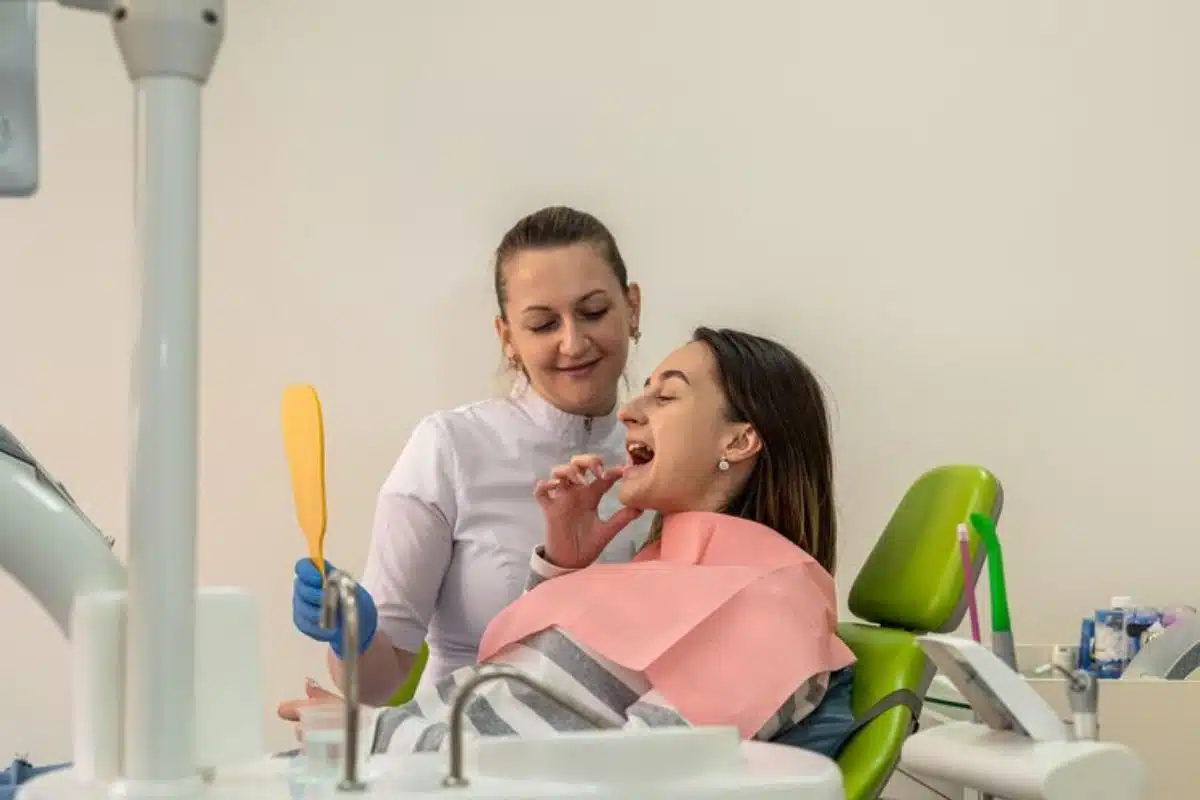
Featured image for “A Guide to Post-treatment Care for Periodontal Disease”

Periodontal disease, commonly known as gum disease, is a serious infection that damages the soft tissue and destroys the bone supporting your teeth. Left untreated, it can lead to tooth loss and other health complications. However, with proper care and guidance from your dentist, you can manage and even reverse the effects of periodontal disease. This guide will walk you through essential post-treatment care steps to ensure your gums and teeth remain healthy.

Understanding Periodontal Disease

Periodontal disease progresses in stages, starting with gingivitis, characterized by red, swollen gums that bleed easily. If not treated, it advances to periodontitis, where the inner layer of the gum and bone pull away from the teeth, forming pockets that can become infected. The body’s immune system fights the bacteria as the plaque spreads and grows below the gum line, leading to bone and tissue loss.

The Importance of Periodontal Treatment

Treating periodontal disease is crucial to prevent tooth loss and other severe health issues like heart disease and diabetes. Periodontal treatment typically involves scaling and root planing, surgical treatments, or laser therapy. Once you’ve undergone periodontal treatment, adhering to a meticulous post-treatment care routine is vital for maintaining oral health.

Immediate Periodontal Post-treatment Care

After periodontal treatment, your dentist will provide specific instructions tailored to your condition. Here are some general guidelines to follow:

1. Managing Discomfort

  • Pain Relief: Over-the-counter pain relievers like ibuprofen or acetaminophen can help manage discomfort. Your dentist may also prescribe medication if necessary.
  • Ice Packs: Apply ice packs to the outside of your face for 15-minute intervals to reduce swelling and numb the area.

2. Oral Hygiene

  • Gentle Brushing: Use a soft-bristled toothbrush to gently clean your teeth. Avoid vigorous brushing to prevent irritation of the treated areas.
  • Mouth Rinses: Your dentist may recommend an antimicrobial mouth rinse to reduce bacteria and promote healing. Use as directed.

3. Dietary Considerations

  • Soft Foods: Stick to a diet of soft foods for the first few days post-treatment. Avoid crunchy, spicy, or acidic foods that can irritate your gums.
  • Hydration: Drink plenty of water to stay hydrated and help flush out bacteria.

Long-term Periodontal Post-treatment Care

Maintaining the health of your gums and teeth after periodontal treatment requires a commitment to a thorough oral hygiene routine and regular dental visits.

1. Daily Oral Hygiene Routine

  • Brushing: Brush your teeth at least twice a day with fluoride toothpaste. Ensure you clean all surfaces of your teeth and gums gently.
  • Flossing: Floss daily to remove plaque and food particles from between your teeth and below the gum line. Consider using floss picks or interdental brushes if traditional flossing is challenging.
  • Mouthwash: Use an antimicrobial mouthwash to reduce bacteria and maintain fresh breath.

2. Regular Dental Check-ups

  • Follow-up Visits: Schedule regular follow-up visits with your dentist to monitor your gum health and receive professional cleanings. Your dentist may recommend more frequent visits, such as every three months, instead of the standard six-month intervals.
  • Periodontal Maintenance: During these visits, your dentist will check for signs of disease recurrence and remove any plaque or tartar buildup.

Lifestyle Changes for Better Gum Health

Certain lifestyle changes can significantly impact the health of your gums and teeth.

1. Quit Smoking

Smoking is a major risk factor for periodontal disease. It impairs blood flow to the gums, making it harder for your body to fight off infection and heal. Quitting smoking can dramatically improve your gum health and overall well-being.

2. Healthy Diet

  • Balanced Nutrition: A balanced diet rich in vitamins and minerals supports gum health. Focus on consuming plenty of fruits, vegetables, lean proteins, and whole grains.
  • Limit Sugar: Reduce your intake of sugary foods and beverages, as they contribute to plaque buildup and increase the risk of gum disease.

3. Stress Management

Chronic stress can weaken your immune system and exacerbate gum disease. Incorporate stress-reducing activities into your routine, such as exercise, meditation, or hobbies you enjoy.

Recognizing Signs of Recurrence

Despite following all post-treatment care instructions, periodontal disease can recur. It’s essential to recognize the early signs and seek prompt treatment from your dentist.

1. Symptoms to Watch For

  • Bleeding Gums: Gums that bleed easily, especially when brushing or flossing.
  • Swollen or Tender Gums: Persistent swelling or tenderness in the gums.
  • Bad Breath: Chronic bad breath or a bad taste in your mouth.
  • Loose Teeth: Teeth that feel loose or shifting.

If you notice any of these symptoms, contact your dentist immediately to prevent further damage.

Advanced Treatments and Interventions to Periodontal Treatment

In some cases, additional treatments may be necessary to maintain periodontal health.

1. Antibiotic Therapy

Your dentist may prescribe antibiotics to control bacterial infection in your gums. These can be administered orally or placed directly into the periodontal pockets.

2. Surgical Options

For severe cases, surgical interventions such as flap surgery or bone and tissue grafts may be required to restore gum and bone health.

Post-treatment care for periodontal disease is a continuous journey that requires dedication and vigilance. By following your dentist’s recommendations, maintaining a rigorous oral hygiene routine, and making healthy lifestyle choices, you can keep your gums and teeth healthy and prevent the recurrence of periodontal disease. Remember, your dentist is your ally in this journey, so keep up with regular visits and communicate any concerns promptly. Your commitment to post-treatment care will pave the way for a lifetime of healthy smiles.


Share:
July 17, 2024

Periodontal disease, commonly known as gum disease, is a serious infection that damages the soft tissue and destroys the bone supporting your teeth. Left untreated, it can lead to tooth loss and other health complications. However, with proper care and guidance from your dentist, you can manage and even reverse the effects of periodontal disease. This guide will walk you through essential post-treatment care steps to ensure your gums and teeth remain healthy.

Understanding Periodontal Disease

Periodontal disease progresses in stages, starting with gingivitis, characterized by red, swollen gums that bleed easily. If not treated, it advances to periodontitis, where the inner layer of the gum and bone pull away from the teeth, forming pockets that can become infected. The body’s immune system fights the bacteria as the plaque spreads and grows below the gum line, leading to bone and tissue loss.

The Importance of Periodontal Treatment

Treating periodontal disease is crucial to prevent tooth loss and other severe health issues like heart disease and diabetes. Periodontal treatment typically involves scaling and root planing, surgical treatments, or laser therapy. Once you’ve undergone periodontal treatment, adhering to a meticulous post-treatment care routine is vital for maintaining oral health.

Immediate Periodontal Post-treatment Care

After periodontal treatment, your dentist will provide specific instructions tailored to your condition. Here are some general guidelines to follow:

1. Managing Discomfort

  • Pain Relief: Over-the-counter pain relievers like ibuprofen or acetaminophen can help manage discomfort. Your dentist may also prescribe medication if necessary.
  • Ice Packs: Apply ice packs to the outside of your face for 15-minute intervals to reduce swelling and numb the area.

2. Oral Hygiene

  • Gentle Brushing: Use a soft-bristled toothbrush to gently clean your teeth. Avoid vigorous brushing to prevent irritation of the treated areas.
  • Mouth Rinses: Your dentist may recommend an antimicrobial mouth rinse to reduce bacteria and promote healing. Use as directed.

3. Dietary Considerations

  • Soft Foods: Stick to a diet of soft foods for the first few days post-treatment. Avoid crunchy, spicy, or acidic foods that can irritate your gums.
  • Hydration: Drink plenty of water to stay hydrated and help flush out bacteria.

Long-term Periodontal Post-treatment Care

Maintaining the health of your gums and teeth after periodontal treatment requires a commitment to a thorough oral hygiene routine and regular dental visits.

1. Daily Oral Hygiene Routine

  • Brushing: Brush your teeth at least twice a day with fluoride toothpaste. Ensure you clean all surfaces of your teeth and gums gently.
  • Flossing: Floss daily to remove plaque and food particles from between your teeth and below the gum line. Consider using floss picks or interdental brushes if traditional flossing is challenging.
  • Mouthwash: Use an antimicrobial mouthwash to reduce bacteria and maintain fresh breath.

2. Regular Dental Check-ups

  • Follow-up Visits: Schedule regular follow-up visits with your dentist to monitor your gum health and receive professional cleanings. Your dentist may recommend more frequent visits, such as every three months, instead of the standard six-month intervals.
  • Periodontal Maintenance: During these visits, your dentist will check for signs of disease recurrence and remove any plaque or tartar buildup.

Lifestyle Changes for Better Gum Health

Certain lifestyle changes can significantly impact the health of your gums and teeth.

1. Quit Smoking

Smoking is a major risk factor for periodontal disease. It impairs blood flow to the gums, making it harder for your body to fight off infection and heal. Quitting smoking can dramatically improve your gum health and overall well-being.

2. Healthy Diet

  • Balanced Nutrition: A balanced diet rich in vitamins and minerals supports gum health. Focus on consuming plenty of fruits, vegetables, lean proteins, and whole grains.
  • Limit Sugar: Reduce your intake of sugary foods and beverages, as they contribute to plaque buildup and increase the risk of gum disease.

3. Stress Management

Chronic stress can weaken your immune system and exacerbate gum disease. Incorporate stress-reducing activities into your routine, such as exercise, meditation, or hobbies you enjoy.

Recognizing Signs of Recurrence

Despite following all post-treatment care instructions, periodontal disease can recur. It’s essential to recognize the early signs and seek prompt treatment from your dentist.

1. Symptoms to Watch For

  • Bleeding Gums: Gums that bleed easily, especially when brushing or flossing.
  • Swollen or Tender Gums: Persistent swelling or tenderness in the gums.
  • Bad Breath: Chronic bad breath or a bad taste in your mouth.
  • Loose Teeth: Teeth that feel loose or shifting.

If you notice any of these symptoms, contact your dentist immediately to prevent further damage.

Advanced Treatments and Interventions to Periodontal Treatment

In some cases, additional treatments may be necessary to maintain periodontal health.

1. Antibiotic Therapy

Your dentist may prescribe antibiotics to control bacterial infection in your gums. These can be administered orally or placed directly into the periodontal pockets.

2. Surgical Options

For severe cases, surgical interventions such as flap surgery or bone and tissue grafts may be required to restore gum and bone health.

Post-treatment care for periodontal disease is a continuous journey that requires dedication and vigilance. By following your dentist’s recommendations, maintaining a rigorous oral hygiene routine, and making healthy lifestyle choices, you can keep your gums and teeth healthy and prevent the recurrence of periodontal disease. Remember, your dentist is your ally in this journey, so keep up with regular visits and communicate any concerns promptly. Your commitment to post-treatment care will pave the way for a lifetime of healthy smiles.


Share: