
Dental Implants: A Complete Guide to Before and After Care

October 16, 2024
Featured image for “Dental Implants: A Complete Guide to Before and After Care”

What Are Dental Implants?

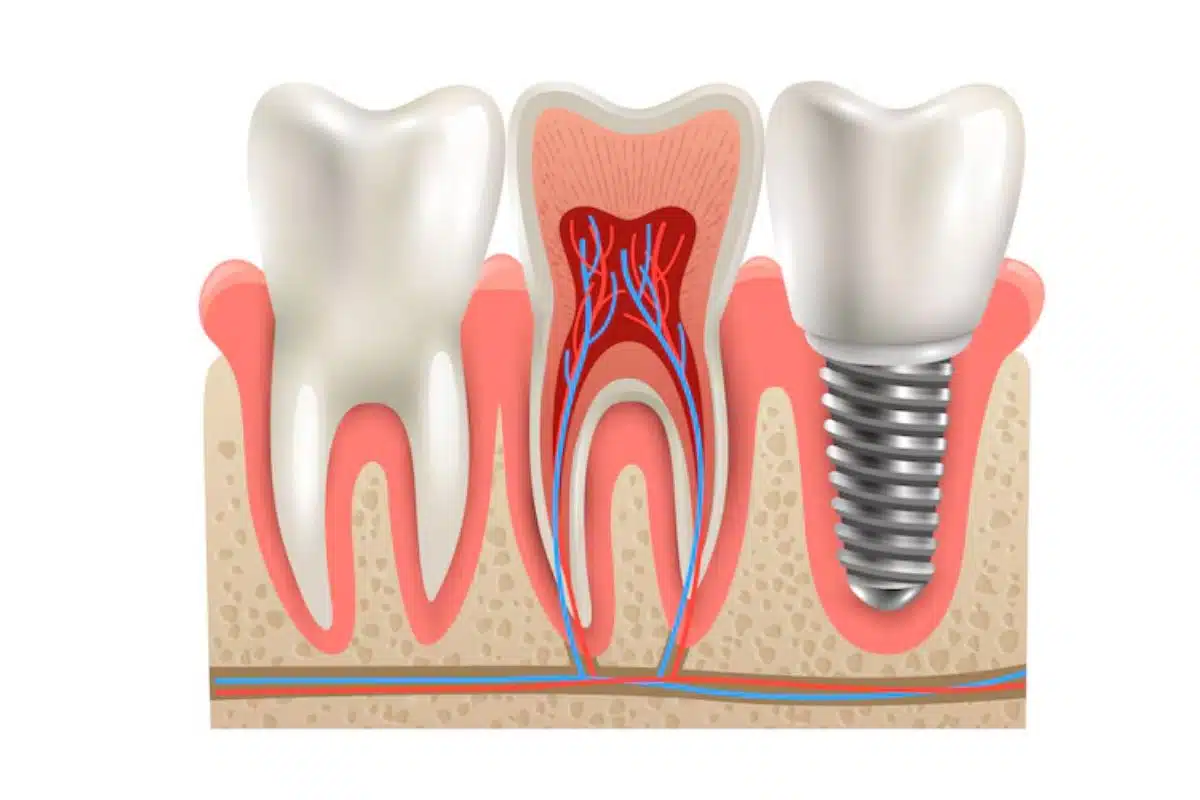
Dental implants are artificial roots made of titanium and placed into your jawbone through surgery for supporting a replacement tooth or bridge. They can help to create an incredibly secure groundwork for fixed or removable teeth, and they help to significantly improve both the form and functionality of your mouth.

How Do Dental Implants Work?

A missing tooth root is directly replaced by an implant. After placement surgically in the jawbone, the titanium post, later on, osseointegrated with that bone. This acts as an anchoring site which holds a crown, bridge, or even denture in place akin to natural teeth.

Types of Dental Implants

Endosteal Implants

These are the most common types of dental implant. They are placed directly into the jaw bone through surgery with a shape like small screws. After the gums heal, another surgery is done attaching a post, and the replacement tooth is held.

Subperiosteal Implants

Subperiosteal implants are placed below the gum but above the jaw. These are used in cases where the patient lacks enough healthy jaw bone to hold the endosteal implants.

Advantages of Dental Implants

Improved Smile Aesthetics: Dental implants look like your own teeth and even feel like them.

Strength: Implants are very strong and, if you take good care of them, they’ll last an entire lifetime.

Better Oral Health: Because implants don’t require the alteration of adjacent natural teeth as a bridge does, they help preserve your natural teeth.

They offer you greater comfort since they bond with the bone, becoming part of your mouth and removing any discomfort experienced from removable dentures.

Who Is a Good Candidate for Dental Implants?

Although dental implants are successful for most people, there is also a group of people who should not have a dental implant. They include:

Good health of gums

Sufficient bone density in the jaw in which to locate the implant

Good oral hygiene

Your dentist will evaluate you to determine whether you suit the procedure.

Preparation of Your Dental Implant Procedure

Consultation with Your Dentist

At your first appointment with your dentist, she will take a comprehensive dental and medical history, along with X-rays, and perhaps a CT scan of your jaw bone, to determine where the dental implant will best sit.

Pre Surgery Preparation

Your dentist may tell you to stop taking some medications, to stop smoking, and especially stick to certain diet rules for days leading up to surgery.

Pre-implant denture care

Quit Smoking and Alcohol Intake

Smoking will interfere very much with healing and increase the chance of implant failure. Smoking should be ceased two weeks before the day of surgery and two weeks after the day of surgery. Alcohol use should also be minimized for healing.

Oral Hygiene

Hygiene in the mouth needs to be maintained before surgery. Brushing, flossing and using antibacterial mouthwash will minimize the chance of infection after surgery.

What to Expect in the Surgery

A dental implant placement is usually done in different stages. In the first stage, the implant is inserted in the jawbone through surgery. Over the following few months, the implant will integrate with the bone. Then an abutment will be mounted on the implant, followed by attaching the new tooth on top.

Immediate Post-Surgery Care

Pain and Discomfort End

Most surgical patients experience some level of soreness and discomfort after the treatment. You can control your discomfort using OTC pain medications, or prescribed ones by your dentist.

Taming the Swelling and Bruising

Swelling and bruising are two common reactions to oral surgery. To alleviate swelling for the first 24 hours, you will need to apply a cold compress on the outside of your mouth.

Dental Implants Aftercare Tips

Dietary Restrictions

For the initial couple of days, it is advisable to stick to soft foods, such as yogurt, mashed potatoes, and smoothies. As for anything that may be too hot, crunchy, or hard, which may hinder the healing, avoid those.

Avoiding Physical Strain

Physical strain activates swelling, slowing down the healing process. Be sure to rest and avoid intense physical activity within the first 48 hours after your procedure.

Oral Hygiene After Dental Implants

Good oral hygiene is vital for the survival of your dental implants and in general Oral Health. Brush your teeth twice daily using a soft bristled toothbrush, floss often, and rinse with an antibacterial mouthwash to prevent infections.

Complications to Look Out For

Complications are rare but can occur following dental implant surgery. Pay attention to the following symptoms:

For any of these symptoms, you must visit your dentist immediately.

Care for Dental Implants over Years

Though the dental implants are supposed to be lifelong, proper care is also essential for their longevity. Maintenance through regular check-ups, cleaning, and oral hygiene can prevent gum disease and other complications

When to Visit Your Dentist After Treatment

Follow up regularly with your dentist as they monitor the implant to ensure proper integration into the bone and will adjust any component that may be necessary and monitor your oral health.

Conclusion

Dental implants are an excellent investment in the health of your mouth and your overall quality of life. Proper before and aftercare of your dental implant are the keys to your success and ensure you continue to benefit from a fully functional, but totally natural-looking smile for years to come.


Share:
October 16, 2024

What Are Dental Implants?

Dental implants are artificial roots made of titanium and placed into your jawbone through surgery for supporting a replacement tooth or bridge. They can help to create an incredibly secure groundwork for fixed or removable teeth, and they help to significantly improve both the form and functionality of your mouth.

How Do Dental Implants Work?

A missing tooth root is directly replaced by an implant. After placement surgically in the jawbone, the titanium post, later on, osseointegrated with that bone. This acts as an anchoring site which holds a crown, bridge, or even denture in place akin to natural teeth.

Types of Dental Implants

Endosteal Implants

These are the most common types of dental implant. They are placed directly into the jaw bone through surgery with a shape like small screws. After the gums heal, another surgery is done attaching a post, and the replacement tooth is held.

Subperiosteal Implants

Subperiosteal implants are placed below the gum but above the jaw. These are used in cases where the patient lacks enough healthy jaw bone to hold the endosteal implants.

Advantages of Dental Implants

Improved Smile Aesthetics: Dental implants look like your own teeth and even feel like them.

Strength: Implants are very strong and, if you take good care of them, they’ll last an entire lifetime.

Better Oral Health: Because implants don’t require the alteration of adjacent natural teeth as a bridge does, they help preserve your natural teeth.

They offer you greater comfort since they bond with the bone, becoming part of your mouth and removing any discomfort experienced from removable dentures.

Who Is a Good Candidate for Dental Implants?

Although dental implants are successful for most people, there is also a group of people who should not have a dental implant. They include:

Good health of gums

Sufficient bone density in the jaw in which to locate the implant

Good oral hygiene

Your dentist will evaluate you to determine whether you suit the procedure.

Preparation of Your Dental Implant Procedure

Consultation with Your Dentist

At your first appointment with your dentist, she will take a comprehensive dental and medical history, along with X-rays, and perhaps a CT scan of your jaw bone, to determine where the dental implant will best sit.

Pre Surgery Preparation

Your dentist may tell you to stop taking some medications, to stop smoking, and especially stick to certain diet rules for days leading up to surgery.

Pre-implant denture care

Quit Smoking and Alcohol Intake

Smoking will interfere very much with healing and increase the chance of implant failure. Smoking should be ceased two weeks before the day of surgery and two weeks after the day of surgery. Alcohol use should also be minimized for healing.

Oral Hygiene

Hygiene in the mouth needs to be maintained before surgery. Brushing, flossing and using antibacterial mouthwash will minimize the chance of infection after surgery.

What to Expect in the Surgery

A dental implant placement is usually done in different stages. In the first stage, the implant is inserted in the jawbone through surgery. Over the following few months, the implant will integrate with the bone. Then an abutment will be mounted on the implant, followed by attaching the new tooth on top.

Immediate Post-Surgery Care

Pain and Discomfort End

Most surgical patients experience some level of soreness and discomfort after the treatment. You can control your discomfort using OTC pain medications, or prescribed ones by your dentist.

Taming the Swelling and Bruising

Swelling and bruising are two common reactions to oral surgery. To alleviate swelling for the first 24 hours, you will need to apply a cold compress on the outside of your mouth.

Dental Implants Aftercare Tips

Dietary Restrictions

For the initial couple of days, it is advisable to stick to soft foods, such as yogurt, mashed potatoes, and smoothies. As for anything that may be too hot, crunchy, or hard, which may hinder the healing, avoid those.

Avoiding Physical Strain

Physical strain activates swelling, slowing down the healing process. Be sure to rest and avoid intense physical activity within the first 48 hours after your procedure.

Oral Hygiene After Dental Implants

Good oral hygiene is vital for the survival of your dental implants and in general Oral Health. Brush your teeth twice daily using a soft bristled toothbrush, floss often, and rinse with an antibacterial mouthwash to prevent infections.

Complications to Look Out For

Complications are rare but can occur following dental implant surgery. Pay attention to the following symptoms:

For any of these symptoms, you must visit your dentist immediately.

Care for Dental Implants over Years

Though the dental implants are supposed to be lifelong, proper care is also essential for their longevity. Maintenance through regular check-ups, cleaning, and oral hygiene can prevent gum disease and other complications

When to Visit Your Dentist After Treatment

Follow up regularly with your dentist as they monitor the implant to ensure proper integration into the bone and will adjust any component that may be necessary and monitor your oral health.

Conclusion

Dental implants are an excellent investment in the health of your mouth and your overall quality of life. Proper before and aftercare of your dental implant are the keys to your success and ensure you continue to benefit from a fully functional, but totally natural-looking smile for years to come.


Share: