
Is a Dental Crown Right for You? Pros and Cons Explained

November 12, 2024
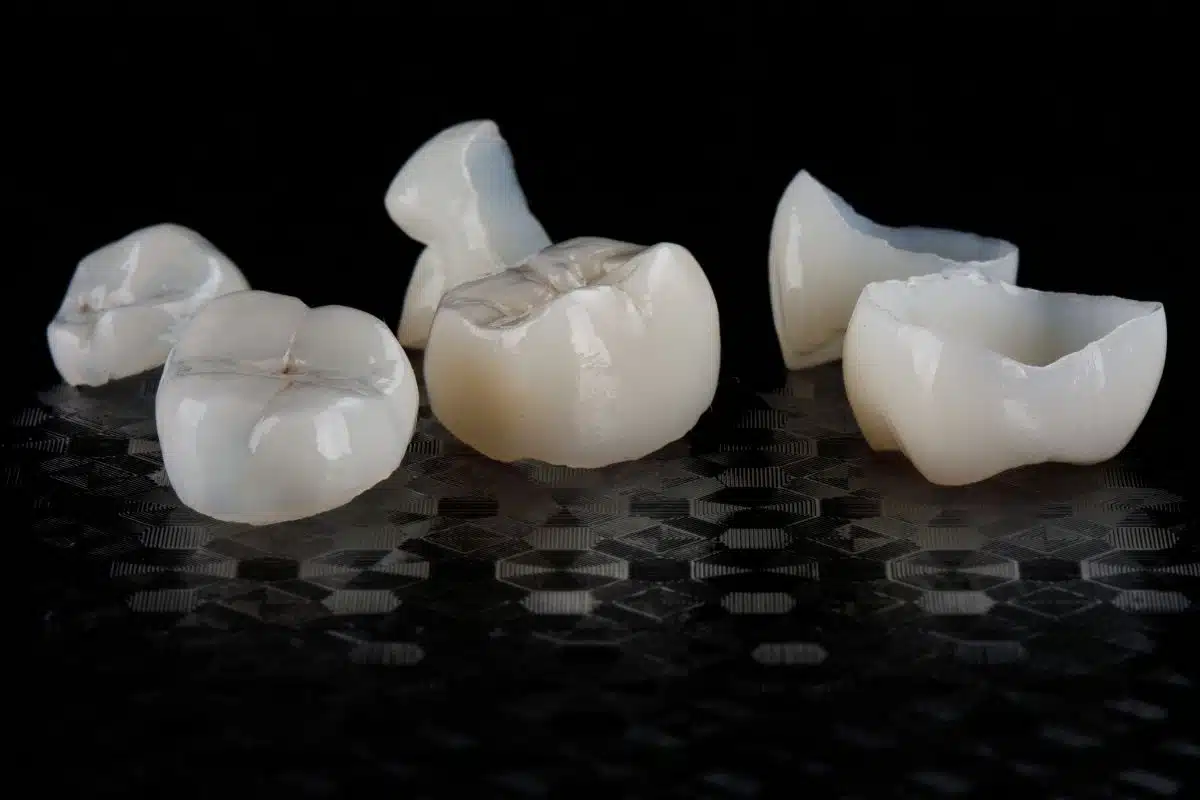
Featured image for “Is a Dental Crown Right for You? Pros and Cons Explained”

Dental crowns are a popular solution for restoring damaged teeth, especially when a tooth is weakened, cracked, or cosmetically flawed. However, like any dental treatment, crowns come with their own set of advantages and disadvantages. Let’s dive into the pros and cons of dental crowns, particularly if you’re considering treatment from a Cosmetic Dentist in Syracuse.

What Are Dental Crowns?

Dental crowns, also known as “caps,” are protective coverings placed over a damaged tooth. These caps can be made from a variety of materials, including porcelain, ceramic, metal, or resin. They not only enhance the appearance of a tooth but also add strength and longevity.

The Pros of Dental Crowns

1. Enhanced Appearance

For patients seeking cosmetic enhancements, dental crowns provide an excellent solution. Crowns can transform stained, chipped, or misshaped teeth, making them look natural and aligned with the rest of your smile. A skilled Syracuse Dentist can match the crown to your existing teeth for a seamless look.

2. Durability and Longevity

One of the most significant advantages of dental crowns is their durability. High-quality crowns can last between 10 to 15 years with proper care. Materials like ceramic and porcelain are especially resilient, allowing patients to enjoy a durable, long-term solution for their dental issues.

3. Restored Functionality

Dental crowns restore the strength of a damaged tooth, making it easier to chew and bite comfortably. For patients with weakened teeth due to decay, cracks, or root canal treatments, crowns add stability and resilience.

4. Reduced Sensitivity

After extensive dental work, teeth can become sensitive to hot or cold foods. A dental crown acts as a protective layer, shielding the tooth and often reducing or even eliminating discomfort.

The Cons of Dental Crowns

1. Cost Considerations

One drawback of dental crowns is the cost. Depending on the materials used and the complexity of the procedure, crowns can be expensive, particularly if multiple teeth need treatment. Many patients may need to check with their insurance providers to see if some of the cost can be covered.

2. Potential for Sensitivity

Some people experience temporary sensitivity after getting a crown, especially if the tooth preparation was extensive. Sensitivity to temperature and pressure can occur, although it usually diminishes after a few days. If sensitivity persists, contact your Syracuse Dentist for advice.

3. Risk of Damage

While dental crowns are generally durable, they aren’t indestructible. Hard foods or habits like teeth grinding (bruxism) can wear down or damage crowns. In some cases, a damaged crown may require replacement, which can add to the overall cost.

4. Additional Maintenance Required

To ensure that a crown lasts as long as possible, proper oral hygiene is essential. Plaque can still accumulate around the base of the crown, leading to decay or gum disease if not managed carefully. Patients need to brush and floss diligently to protect both the crown and the surrounding gums.

Is a Dental Crown Right for You?

Choosing a dental crown can be a significant decision. Consulting with a Cosmetic Dentist in Syracuse will help determine if a crown is the right fit for your needs, based on the health of your teeth and aesthetic goals. Crowns can restore function and beauty to your smile, but it’s essential to weigh the pros and cons to make an informed choice.

Final Thoughts

Dental crowns offer many benefits, from enhanced appearance to improved strength and functionality. While there are some drawbacks, the long-lasting results can make crowns a worthwhile investment for many patients. For more information or to discuss your options, schedule a consultation with a trusted Syracuse Dentist today.


Share:
November 12, 2024

Dental crowns are a popular solution for restoring damaged teeth, especially when a tooth is weakened, cracked, or cosmetically flawed. However, like any dental treatment, crowns come with their own set of advantages and disadvantages. Let’s dive into the pros and cons of dental crowns, particularly if you’re considering treatment from a Cosmetic Dentist in Syracuse.

What Are Dental Crowns?

Dental crowns, also known as “caps,” are protective coverings placed over a damaged tooth. These caps can be made from a variety of materials, including porcelain, ceramic, metal, or resin. They not only enhance the appearance of a tooth but also add strength and longevity.

The Pros of Dental Crowns

1. Enhanced Appearance

For patients seeking cosmetic enhancements, dental crowns provide an excellent solution. Crowns can transform stained, chipped, or misshaped teeth, making them look natural and aligned with the rest of your smile. A skilled Syracuse Dentist can match the crown to your existing teeth for a seamless look.

2. Durability and Longevity

One of the most significant advantages of dental crowns is their durability. High-quality crowns can last between 10 to 15 years with proper care. Materials like ceramic and porcelain are especially resilient, allowing patients to enjoy a durable, long-term solution for their dental issues.

3. Restored Functionality

Dental crowns restore the strength of a damaged tooth, making it easier to chew and bite comfortably. For patients with weakened teeth due to decay, cracks, or root canal treatments, crowns add stability and resilience.

4. Reduced Sensitivity

After extensive dental work, teeth can become sensitive to hot or cold foods. A dental crown acts as a protective layer, shielding the tooth and often reducing or even eliminating discomfort.

The Cons of Dental Crowns

1. Cost Considerations

One drawback of dental crowns is the cost. Depending on the materials used and the complexity of the procedure, crowns can be expensive, particularly if multiple teeth need treatment. Many patients may need to check with their insurance providers to see if some of the cost can be covered.

2. Potential for Sensitivity

Some people experience temporary sensitivity after getting a crown, especially if the tooth preparation was extensive. Sensitivity to temperature and pressure can occur, although it usually diminishes after a few days. If sensitivity persists, contact your Syracuse Dentist for advice.

3. Risk of Damage

While dental crowns are generally durable, they aren’t indestructible. Hard foods or habits like teeth grinding (bruxism) can wear down or damage crowns. In some cases, a damaged crown may require replacement, which can add to the overall cost.

4. Additional Maintenance Required

To ensure that a crown lasts as long as possible, proper oral hygiene is essential. Plaque can still accumulate around the base of the crown, leading to decay or gum disease if not managed carefully. Patients need to brush and floss diligently to protect both the crown and the surrounding gums.

Is a Dental Crown Right for You?

Choosing a dental crown can be a significant decision. Consulting with a Cosmetic Dentist in Syracuse will help determine if a crown is the right fit for your needs, based on the health of your teeth and aesthetic goals. Crowns can restore function and beauty to your smile, but it’s essential to weigh the pros and cons to make an informed choice.

Final Thoughts

Dental crowns offer many benefits, from enhanced appearance to improved strength and functionality. While there are some drawbacks, the long-lasting results can make crowns a worthwhile investment for many patients. For more information or to discuss your options, schedule a consultation with a trusted Syracuse Dentist today.


Share: