315-422-0894


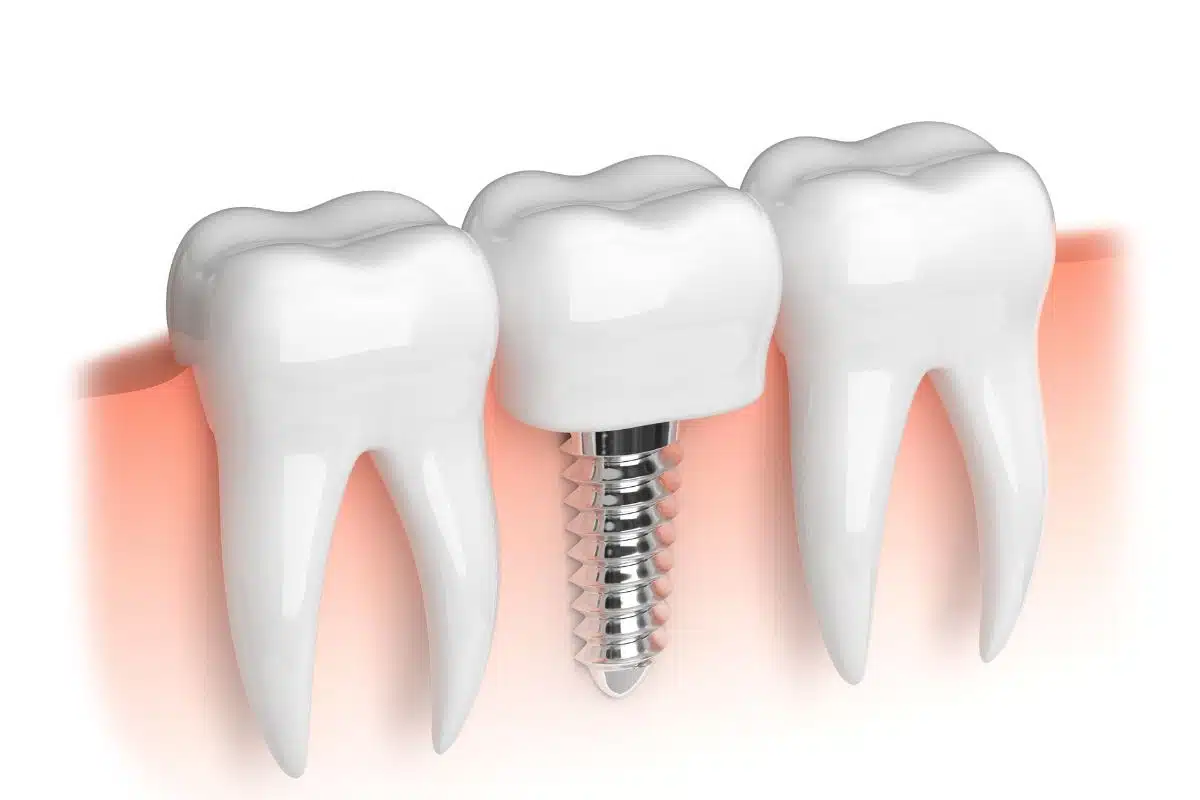
Dental implants offer an exceptional solution for replacing missing teeth, restoring both function and appearance. However, their success hinges on strong, stable jawbone support. For some patients, insufficient bone density can pose challenges to achieving reliable results.
This is where bone grafting becomes a vital step in ensuring optimal dental implant placement and longevity. Understanding the process and purpose of bone grafting can ease concerns and highlight its importance.
What Is Bone Grafting?
Bone grafting is a procedure used to rebuild or strengthen areas of the jawbone that have weakened. This technique involves adding bone material to areas lacking sufficient density to support dental implants.
The material can come from various sources, including the body, synthetic alternatives, or donor tissues. Over time, this material integrates with the existing bone, creating a strong foundation for successful dental implant placement.
Benefits of Bone Grafting
Bone grafting provides numerous advantages that significantly improve oral health and dental procedures.
Restores Jawbone Strength: Adding bone material reinforces areas weakened by tooth loss, trauma, or aging, preventing further deterioration.
Preserve Facial Structure: Bone grafting helps maintain the natural shape of the face by preventing the sunken appearance caused by bone loss.
Improves Implant Stability: By creating a solid base, bone grafting ensures dental implants remain securely anchored for long-term functionality.
Promotes Better Oral Health: Enhanced bone density reduces risks of complications, improving overall oral health and confidence in your dental restoration.
Enhances Aesthetic Results: With a stable foundation, implants align more naturally, complementing adjacent teeth and creating a beautiful smile.
Purpose of Bone Grafting for Implant Success
Bone grafting serves as an essential step in preparing for successful dental implant procedures. Here’s why:
Reinforcing Support Structures: Implants need a firm base to withstand chewing forces, and bone grafting builds that vital strength.
Ensuring Implant Longevity: Without proper bone support, implants risk loosening over time. Grafting eliminates this concern.
Improving Healing Outcomes: The procedure boosts blood supply and encourages integration between bone and implant for a seamless fit.
Adapting to Individual Needs: Bone grafting tailors the condition of the jawbone to meet the specific requirements of implant placement.
Preventing Future Issues: Strengthened bone minimizes the chances of future oral complications, ensuring lasting dental health.
How Bone Grafting Enhances Implant Success?
Bone grafting plays a transformative role in preparing your mouth for dental restoration. Here’s how:
Boosts Jawbone Density: The added material merges with your existing bone, creating a durable framework for secure implants.
Enables Precise Implant Placement: A strong jawbone foundation allows accurate positioning of implants, optimizing functionality and aesthetics.
Supports Advanced Procedures: For patients requiring extensive restorations, grafting ensures the jaw can accommodate multiple implants.
Strengthens Long-Term Outcomes: With enhanced support, implants function like natural teeth, offering stability and durability for years to come.
Tailored Solutions for Success: Bone grafting adapts to unique dental needs, offering personalized solutions for the best possible implant results.
A Foundation for Lasting Smiles
Bone grafting is an integral step in achieving successful dental restorations. By reinforcing the jawbone, this procedure lays the groundwork for stable, secure implants that look and feel natural. Addressing bone density concerns early paves the way for confident smiles and lasting oral health.
If you’re considering dental implants, consult a trusted professional for personalized advice and care. For expert guidance and advanced procedures, schedule a consultation with us at Downtown Dental Syracuse today.