315-422-0894


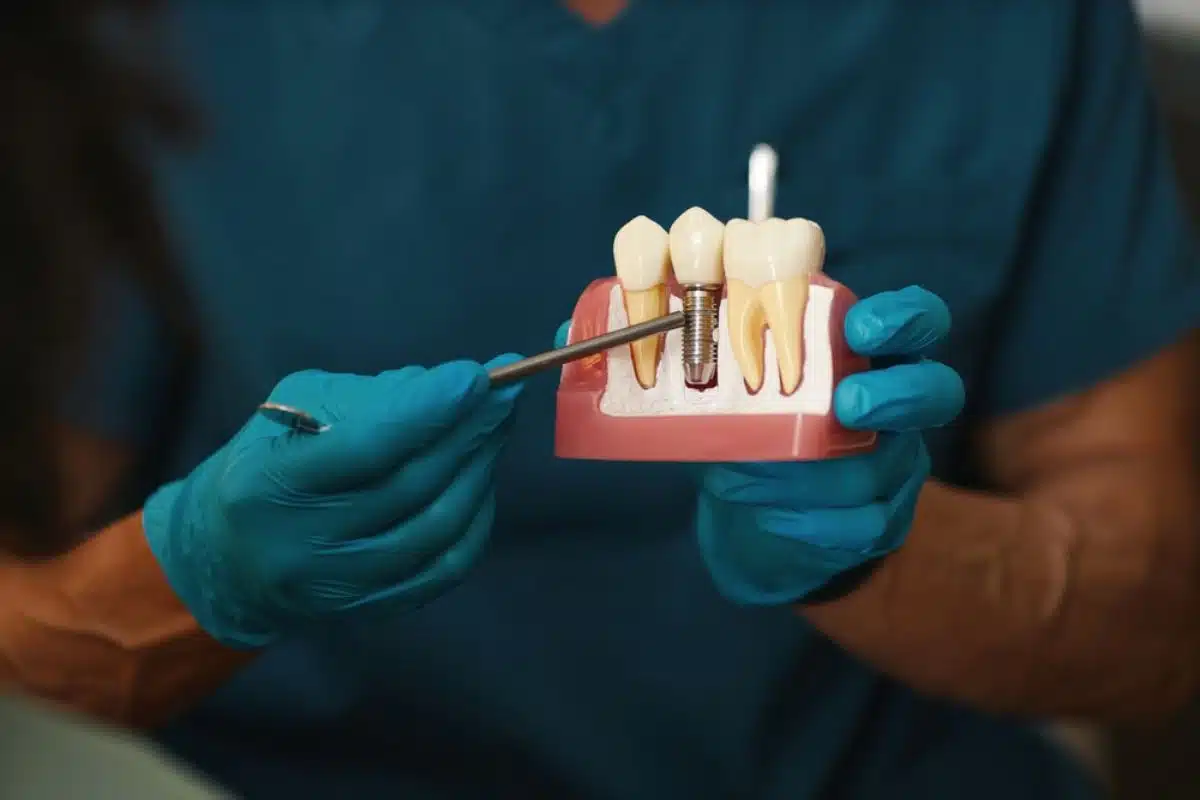
So, you’ve taken the leap and scheduled your dental implant surgery. Congrats! You’re one step closer to a healthier, more confident smile. But let’s be honest—right after the procedure, you’ll probably have a lot of questions running through your head. “How bad will the pain be?” “Can I eat anything?” “What’s normal, and what’s not?”
If you’re getting dental implants in Syracuse, or thinking about it, here’s a full rundown of what the first 24 hours post-surgery will look like. No fluff—just clear, real info to help you prep like a pro.
First Things First: Numbness and Grogginess
Right after your surgery, you’ll likely feel numb for a few hours. That’s from the local anesthesia your implants dentist used. Some patients might also feel a bit drowsy—especially if sedation was part of the process. Make sure you have someone to drive you home, and don’t plan on doing much that day. Trust us, your body needs the rest.
Quick Tip:
If the numbness lasts more than 6–8 hours, or if you feel tingling beyond that timeframe, contact your dentist right away. It could be a nerve issue, which is rare—but worth keeping an eye on.
Managing Bleeding and Swelling
Light bleeding or “oozing” is common for the first 24 hours. It’s not a crime scene—just your body doing its thing. Your dental team will usually give you gauze to bite down on, which helps form a clot and stop the bleeding. Switch out the gauze every 30–45 minutes or until the bleeding slows.
Swelling? Oh yeah, that’s coming too. It usually peaks around the 48-hour mark, but it can start as early as hour 2 or 3. Use an ice pack for 15 minutes on, 15 minutes off during the first few hours to help keep swelling under control.
Pain: Real Talk
We won’t sugarcoat it—yes, there’ll be some discomfort. But it’s usually manageable with over-the-counter meds like ibuprofen or Tylenol. Some implants dentists might prescribe something a bit stronger, especially if multiple implants were placed.
According to a study published in the Journal of Oral Implantology, over 85% of patients report mild to moderate pain within the first 24 hours post-surgery—nothing unbearable.
If your pain spikes suddenly or doesn’t improve with meds, reach out to your dentist. Better safe than sorry.
Eating (or More Like, Not Eating)
Here’s the deal: no crunchy tacos, chips, or pizza today. Stick to soft foods like mashed potatoes, scrambled eggs, yogurt, or smoothies—but no straws! Using a straw can mess with the blood clot and delay healing.
You’ll want to avoid hot food and drinks for the first 24 hours too. Heat increases blood flow, which can cause more bleeding.
Pro Tip: Keep it simple. If you wouldn’t feed it to a toddler, don’t feed it to your healing mouth.
Keep It Clean—but Gently
You can brush your teeth the night of the surgery, just avoid the surgical site. Don’t rinse your mouth too aggressively either. Instead, your dentist might recommend a warm saltwater rinse starting 24 hours after surgery to keep bacteria in check.
Why so gentle? Because the goal is to protect the healing gum tissue and avoid dislodging the blood clot that’s helping things heal underneath.
Sleep Like You Mean It
Tonight’s the night to sleep with your head slightly elevated. Use an extra pillow or two to help reduce swelling and avoid any accidental pressure on your jaw.
Also, skip the gym, the jog, or any intense physical activity for at least 24–48 hours. Healing takes energy, and your body needs all of it right now.
When to Call Your Dentist
Red flags to watch for:
- Severe pain not helped by medication
- Persistent bleeding past 24 hours
- Signs of infection (fever, pus, foul smell)
- Difficulty breathing or swallowing
If you notice any of these, call your implants dentist immediately.
Final Thoughts: You’ve Got This
The first 24 hours after getting dental implants in Syracuse can feel a little weird—but that’s totally normal. Most of the healing happens quietly beneath the surface. If you stick to your post-op instructions, avoid anything too wild, and give yourself some grace, you’re already doing great.
And if you ever feel unsure, trust your dentist and reach out with questions. The American Dental Association also has solid info if you want to dive deeper into post-op care.
Ready to Restore Your Smile?
Schedule an Appointment with your local implants dentist today and take the first step toward a healthier, more confident you.