315-422-0894


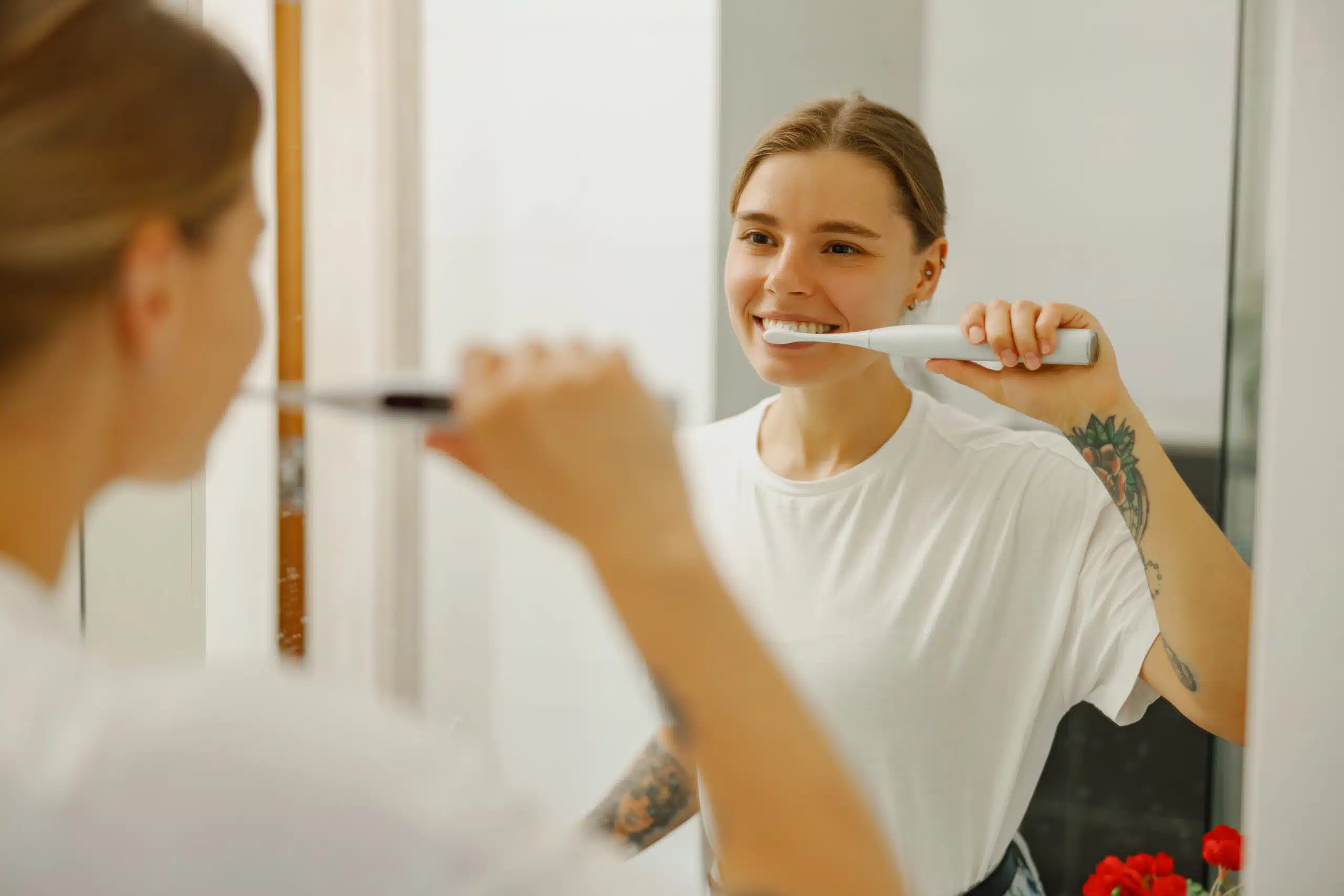
Taking medication for months or years is common for many health conditions. While these drugs help manage your health, they can affect your oral health in ways you might not expect. Understanding these effects and knowing how to protect your teeth and gums can save you from painful problems down the road.
How Medications Affect Your Mouth
Many common medications reduce saliva production. When your mouth doesn’t make enough saliva, bacteria grow faster and your teeth lose their natural protection. This can lead to cavities, gum disease, and bad breath.
Some drugs cause dry mouth, also called xerostomia. Blood pressure medications, antidepressants, antihistamines, and pain relievers are common culprits. Others might cause gum swelling, changes in taste, or increased bleeding when you brush.
Certain medications can even affect dental work. If you’re considering restorative procedures like dental implants Syracuse providers offer, your dentist needs to know every medication you take. Some drugs affect how bone heals, which matters for successful treatment outcomes.
Daily Oral Care Basics
Start with a solid routine. Brush twice daily for two minutes each time using fluoride toothpaste. Hold your brush at a 45-degree angle to your gums and use gentle circular motions. Hard brushing can damage your gums, especially if medication makes them sensitive.
Floss once a day to remove food and plaque between teeth where your brush can’t reach. If regular floss is difficult, try floss picks or a water flosser. Many patients on long-term medication find water flossers gentler on tender gums.
Use an alcohol-free mouthwash to help fight bacteria without drying your mouth further. Look for products with fluoride for extra protection against cavities.
Fighting Dry Mouth
Dry mouth is one of the most common medication side effects. Here’s how to manage it:
Drink water throughout the day. Keep a water bottle handy and take small sips often. This helps wash away food particles and keeps your mouth moist.
Chew sugar-free gum or suck on sugar-free candies to stimulate saliva flow. Look for products with xylitol, which also helps prevent cavities.
Avoid caffeine, alcohol, and tobacco. These dry out your mouth even more. If you drink coffee or tea, rinse with water afterward.
Use a humidifier in your bedroom at night. Many people breathe through their mouths while sleeping, which makes dryness worse.
Ask your doctor about artificial saliva products. These over-the-counter sprays and gels can provide relief when natural saliva production is very low.
Regular Dental Visits Matter More
When you take medication long-term, dental checkups become even more important. Visit your dentist every six months, or more often if recommended. Professional cleanings remove tartar that brushing can’t, and early detection of problems saves time and money.
Tell your dentist about all medications, including over-the-counter drugs and supplements. Whether you need routine care or are considering more complex treatments, your provider will review how your medications might affect treatment plans and healing.
Bring a list of your medications to every appointment. Include the name, dose, and why you take it. This information helps your dental team provide the best care and avoid interactions with any dental treatments.
Watch for Warning Signs
Pay attention to changes in your mouth. See your dentist if you notice:
- Bleeding gums when you brush or floss
- Swollen, red, or tender gums
- Loose teeth or changes in how your teeth fit together
- Persistent bad breath or bad taste
- White or red patches on your tongue or inside your cheeks
- Sores that don’t heal within two weeks
- Increased sensitivity to hot or cold
These symptoms could signal problems that need treatment. Catching issues early makes them easier to fix.
Diet and Nutrition Tips
What you eat affects your oral health too. Limit sugary and acidic foods and drinks. Sugar feeds the bacteria that cause cavities, and acid wears down tooth enamel.
Choose tooth-friendly snacks like cheese, nuts, and vegetables. Crunchy foods like carrots and apples help clean teeth naturally and stimulate saliva.
If medication upsets your stomach and you eat smaller, more frequent meals, rinse with water after eating to help clear food particles.
Special Considerations for Dental Procedures
Long-term medication use requires extra planning before dental procedures. An experienced implant dentist Syracuse residents can consult will carefully evaluate your medical history and current medications. Some drugs affect bleeding, healing, or bone density, which are important factors in treatment success.
Certain medications like bisphosphonates (used for osteoporosis) or blood thinners need special attention before any dental work. Your dental team may coordinate with your physician to adjust medication timing or dosages around procedures.
Always be honest about your complete medication list. This includes prescriptions, over-the-counter drugs, herbal supplements, and vitamins. This transparency helps your dental provider create the safest treatment plan for your situation.
Protecting Your Investment in Oral Health
If you’ve already invested in restorative dentistry or are planning to, protecting that investment becomes even more important when taking long-term medication. Procedures like dental implants Syracuse specialists perform require proper care and maintenance, especially for patients on medications that affect oral health.
Good daily habits, regular professional care, and open communication with your dental team ensure the best long-term results. Your dedication to oral hygiene directly impacts how well dental work holds up over time.
Communication Is Key
Talk openly with both your doctor and dentist. If a medication causes severe dry mouth or other oral problems, your doctor might adjust your dose or switch you to a different drug. Your dentist can suggest specific products or treatments for medication-related oral issues.
Don’t stop taking prescribed medication without talking to your doctor first. The benefits usually outweigh the oral health challenges, and there are ways to manage side effects.
Common FAQs: Oral Care Tips
1. Can medications cause tooth decay?
Yes, medications that cause dry mouth reduce saliva, which normally protects teeth from decay. Less saliva means more bacteria and higher cavity risk.
2. How often should I see the dentist while on long-term medication?
Most patients should visit every six months, but your dentist may recommend more frequent visits if you have medication-related oral health issues.
3. Will my medication affect dental procedure healing?
Some medications can affect bone healing and procedure success. Always inform your provider about all medications before any treatment.
4. Can I use regular mouthwash if I have dry mouth?
Choose alcohol-free mouthwash instead. Alcohol-based products can dry your mouth more and cause discomfort.
5. What’s the best toothpaste for medication-related dry mouth?
Look for fluoride toothpaste designed for dry mouth. Some brands include ingredients that help moisturize while cleaning.
6. Should I tell my dentist about vitamins and supplements?
Yes, tell your dentist about everything you take. Some supplements can interact with dental treatments or affect bleeding and healing.
7. Can changing my medication help my oral health problems?
Sometimes your doctor can adjust doses or switch medications to reduce side effects. Never stop or change medication without medical guidance.
Take Action for Your Oral Health
Your medication helps you manage important health conditions, but your oral health needs attention too. Small daily habits make a big difference over time. Stay consistent with brushing, flossing, and hydration. Keep up with dental visits and speak up about any concerns.
If you’re experiencing oral health issues related to your medication or need guidance from an implant dentist Syracuse patients recommend, don’t wait for problems to worsen. Contact a local dental office to schedule a consultation today. Your mouth deserves the same care and attention as the rest of your body.