315-422-0894


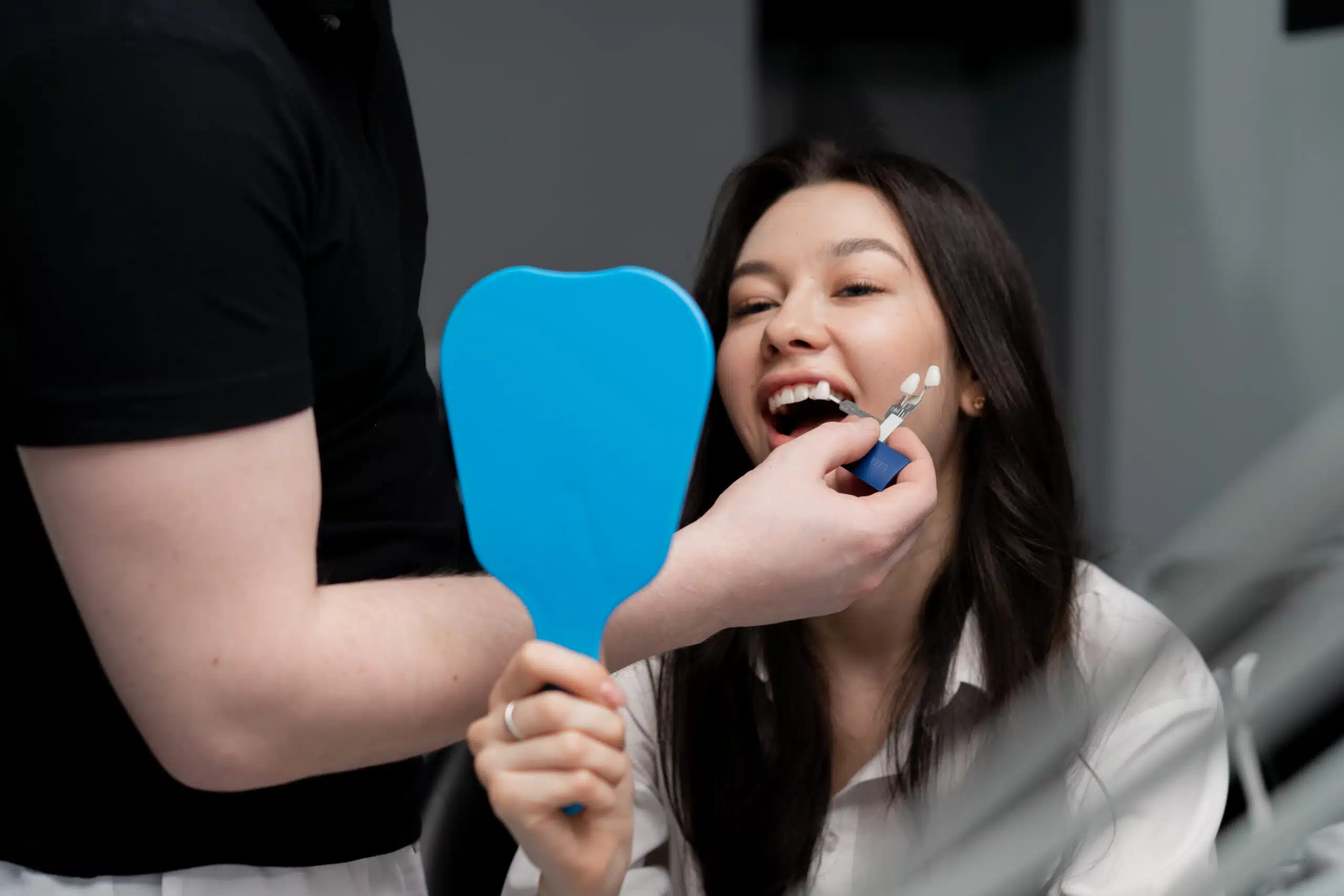
If you’re considering clear aligners to straighten your teeth, you’ve probably heard about attachments. These small, tooth-colored bumps play a huge role in helping your aligners work effectively, especially when you need more complex tooth movements. At Downtown Dental Syracuse, we use precise attachment placement strategies to help our patients achieve beautiful, lasting results.
Let’s break down what attachments are, why their placement matters, and how the right strategy can make all the difference in your treatment.
Meet Our Expert Team
At Downtown Dental Syracuse, you’re in capable hands with Dr. Tyler Mead and Dr. Chris Zimmerman. Both doctors bring years of experience in orthodontic treatments and clear aligner therapy to every case. They understand that every smile is unique, which is why they take a personalized approach to attachment placement.
Whether you’re dealing with rotations, extrusions, or stubborn teeth that need extra attention, our team has the expertise to create a treatment plan that works for you.
What Are Attachments and Why Do They Matter?
Attachments are small, tooth-colored composite resin bumps that your dentist bonds to specific teeth during clear aligner treatment. Think of them as handles that give your aligners extra grip and leverage. While aligners alone can handle simple movements, attachments are essential when you need to rotate teeth, move roots, or correct bite issues.
The placement of these attachments isn’t random. Your dentist in Syracuse carefully plans where each attachment goes based on your unique tooth movement goals. The right placement can mean the difference between a treatment that takes 12 months versus one that takes 18 months or more.
Strategic Placement: Key Approaches for Better Results
1. Rotation Attachments for Stubborn Teeth
When teeth need to rotate (especially canines and premolars), rectangular attachments placed on opposite corners create the torque needed for movement. Your dentist positions these attachments to maximize the rotational force without putting unnecessary pressure on surrounding teeth.
2. Extrusion and Intrusion Strategies
Moving teeth up or down requires vertical attachments. For teeth that need to be pulled down (extrusion), attachments are placed higher on the tooth surface. For teeth that need to move up (intrusion), the placement is lower. This positioning works with your aligner’s design to create the right directional force.
3. Root Movement Optimization
Root control is one of the trickiest parts of orthodontic treatment. Beveled attachments placed at specific angles help tip roots into proper position. If you’re looking for a dentist near me who understands these nuances, the precision required for root movement makes experience crucial.
4. Bite Correction Attachments
For overbites, underbites, or crossbites, attachment placement focuses on creating vertical and horizontal forces simultaneously. These might include precision cuts in the aligner combined with optimized attachments to engage the tooth from multiple angles.
5. Sequential Attachment Planning
Not all attachments go on at once. Strategic treatment plans add attachments in stages as teeth move into position. This phased approach prevents overloading teeth and allows for more controlled movement throughout your treatment.
6. Minimizing Attachment Visibility
While attachments are tooth-colored, placement matters for aesthetics too. Experienced dentists in Syracuse place attachments where they’ll be least visible while still doing their job. This often means positioning them slightly away from the gumline and avoiding prominent front tooth surfaces when possible.
7. Attachment Shape and Size Matters
Different movements need different attachment designs. Rectangular, circular, beveled, and custom-shaped attachments each serve specific purposes. Your dentist selects the right combination based on your treatment goals.
8. Monitoring and Adjustment Protocol
Even with perfect initial placement, your dentist should monitor how attachments perform throughout treatment. Sometimes mid-treatment adjustments or additional attachments help keep progress on track. Regular check-ins at Downtown Dental Syracuse ensure your treatment stays optimized.
Real Patient Experience
“I have had some hellacious dental experiences, and when I broke my tooth on a Skittle (like a ten year-old), I was genuinely afraid of finding a dentist on short notice. They were able to see me almost immediately, fitted me for a crown, and the dentist and assistant were absolutely lovely. Dr. Zimmerman is terrific. Thanks for the new molar!” – C.J Sneider
Head over to read our Google reviews and see what our patients are saying about their real experiences and results. Their stories speak louder than we ever could.
Why Choose Downtown Dental Syracuse for Your Clear Aligner Treatment
Finding the right dentist in Syracuse for your orthodontic needs means working with someone who understands both the science and the artistry of tooth movement. At Downtown Dental Syracuse, Dr. Tyler Mead and Dr. Chris Zimmerman combine advanced training with personalized care to deliver results that last.
Whether you’re dealing with crowding, spacing, rotations, or bite issues, our team creates customized attachment strategies designed specifically for your smile. We use the latest digital planning tools to show you exactly what to expect before treatment even begins.
Ready to start your journey to a straighter smile? Call Downtown Dental Syracuse and schedule a consultation with our experienced team today. We’ll evaluate your needs, explain your options, and create a treatment plan that fits your goals and lifestyle.
Frequently Asked Questions
1. Do attachments hurt when they’re placed?
No, the placement process is painless. Your dentist cleans and slightly roughens the tooth surface, then bonds the composite material and shapes it. There’s no drilling or numbing needed. You might feel slight pressure, but it shouldn’t hurt.
2. How long do attachments stay on my teeth?
Attachments remain on your teeth throughout your clear aligner treatment. Once you complete treatment and your teeth are in their final positions, your dentist removes them in a quick, easy appointment. The removal process is simple and leaves no damage to your tooth enamel.
3. Can I eat normally with attachments?
Yes, you can eat whatever you want when your aligners are out. The attachments are securely bonded and won’t come off during normal eating. Just remember to remove your aligners before eating or drinking anything other than water.
4. Will people notice my attachments?
Attachments are made from tooth-colored composite material that blends with your natural teeth. Most people won’t notice them, especially when your aligners are in. They’re far less noticeable than traditional metal brackets.
5. What happens if an attachment falls off?
If an attachment comes off, contact your dentist in Syracuse right away. While it doesn’t usually cause pain, a missing attachment can slow your progress. Your dentist can quickly reattach it at a short appointment.
6. Do all clear aligner patients need attachments?
Not everyone needs attachments. Simple cases with minor crowding or spacing might not require them. However, most patients need at least a few attachments to achieve optimal results, especially for rotations or bite corrections.
7. Can I whiten my teeth while wearing attachments?
It’s best to wait until after your treatment is complete to whiten your teeth. The attachments won’t lighten with whitening treatments, which could create uneven coloring. Once attachments are removed and your treatment is done, you can whiten your smile for the perfect finishing touch.