315-422-0894


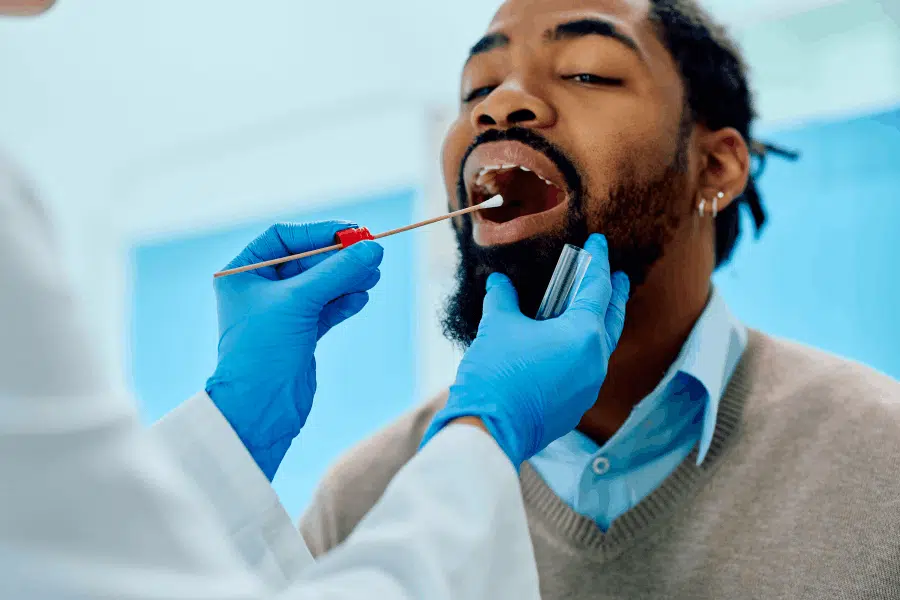
Early detection saves lives. That simple truth drives why oral cancer screenings matter so much in modern dental care. While most people visit their dentist for cleanings and cavity checks, few realize that every routine exam includes a critical cancer screening that could catch problems before they become serious.
Understanding Oral Cancer and Why It Matters
Oral cancer affects thousands of Americans each year. This disease can develop in any part of your mouth, including the tongue, lips, cheeks, floor of the mouth, hard and soft palate, sinuses, and throat. What makes it particularly concerning is that early-stage oral cancer often shows no symptoms. By the time people notice something wrong, the cancer may have already advanced.
The good news? When caught early, oral cancer has a survival rate of 80 to 90 percent. That’s why regular dental visits are about more than just clean teeth. Your syracuse dentist serves as your first line of defense against oral cancer, trained to spot the warning signs that you might miss.
Who Is at Risk?
Anyone can develop oral cancer, but certain factors increase your risk:
- Tobacco use in any form (cigarettes, cigars, pipes, chewing tobacco)
- Heavy alcohol consumption
- HPV (human papillomavirus) infection
- Excessive sun exposure to the lips
- Age over 40
- Family history of cancer
- Poor nutrition
- Weakened immune system
Men face twice the risk of developing oral cancer compared to women, though cases among younger people and women have been rising due to HPV-related cancers. Even if you don’t fit the traditional risk profile, regular screenings remain important. Nearly 25 percent of oral cancer cases occur in people who don’t use tobacco and only drink occasionally.
What Happens During an Oral Cancer Screening
Your dentist in syracuse performs oral cancer screenings as part of your regular dental checkup. The process is quick, painless, and thorough. Here’s what to expect:
First, your dentist will examine the outside of your mouth, checking your lips, face, neck, and jaw for any lumps, bumps, or abnormalities. They’ll feel the lymph nodes in your neck to check for swelling or tenderness.
Next comes the inside examination. Your dentist will look at all surfaces inside your mouth using a bright light and sometimes a small mirror. They’ll check your tongue (top, bottom, and sides), the floor and roof of your mouth, your gums, and the inside of your cheeks and lips. They’re looking for color changes, sores, lumps, or any tissue that looks different from what’s normal.
Some dental offices use additional screening tools like special lights or dyes that make abnormal tissue easier to spot. These tools help identify problems that might not be visible to the naked eye.
The entire screening usually takes just a few minutes. If your dentist finds something that needs a closer look, they’ll either monitor it over time or refer you to a specialist for a biopsy.
Warning Signs You Shouldn’t Ignore
Between dental visits, stay alert for these warning signs:
- A sore in your mouth that doesn’t heal within two weeks
- A lump or thick area in your cheek that you can feel with your tongue
- White or red patches on your gums, tongue, tonsils, or mouth lining
- A sore throat that won’t go away
- Difficulty chewing or swallowing
- Numbness in your tongue or other areas of your mouth
- Jaw pain or stiffness
- Ear pain that lasts more than a few days
- A change in the way your teeth fit together
Not every mouth sore means cancer. Canker sores, injuries from biting your cheek, and other common problems cause similar symptoms. But any change that lasts more than two weeks deserves a professional evaluation.
Current Screening Guidelines
The American Dental Association recommends oral cancer screenings as part of routine dental exams. For most people, this means getting screened every six months during regular checkups.
If you have higher risk factors, your syracuse dentist might recommend more frequent screenings or additional tests. People who’ve had oral cancer before need particularly close monitoring since they face a higher risk of developing new cancers.
Adults over 40 should be especially diligent about keeping regular dental appointments. While oral cancer can affect anyone at any age, incidence rates increase significantly after age 40.
Making Screenings Part of Your Health Routine
Living in central New York means you have access to quality dental care right in your community. Regular visits to your dentist in syracuse protect more than just your teeth and gums. They’re a vital part of cancer prevention.
Schedule your dental checkups every six months. Mark them on your calendar like any other important health appointment. If it’s been longer than six months since your last visit, now is the perfect time to reconnect with your dental health.
Between appointments, perform monthly self-exams. Stand in front of a mirror in good light and look at all parts of your mouth. Use your fingers to feel for lumps or tender spots. While self-exams don’t replace professional screenings, they help you become familiar with what’s normal for you so you’ll notice changes quickly.
Prevention Tips for a Healthier Mouth
You can’t control every risk factor, but you can take steps to lower your overall risk:
Stop using tobacco in all forms. If you need help quitting, talk to your doctor or dentist about programs and medications that can help. Limit alcohol consumption. If you drink, do so in moderation. Eat a balanced diet rich in fruits and vegetables. Good nutrition supports your immune system and overall health. Protect your lips from sun damage with SPF lip balm. Get the HPV vaccine if you’re eligible. This vaccine prevents the types of HPV linked to oral cancers. Practice good oral hygiene by brushing twice daily and flossing regularly.
The Local Advantage
Central New York residents benefit from a strong network of dental professionals who stay current on the latest screening techniques and treatment options. Your local dental community participates in continuing education, ensuring they can provide the most up-to-date care. When you visit a syracuse dentist, you’re receiving care from professionals who understand the specific health concerns and needs of the community.
Many practices in the area also work closely with medical specialists at nearby hospitals and cancer centers. If additional testing or treatment becomes necessary, your dentist can connect you with trusted colleagues who specialize in oral cancer care. This integrated approach means you get comprehensive care without traveling far from home.
Frequently Asked Questions
1. How often should I get screened for oral cancer?
Most people should get screened every six months during regular dental checkups. Your dentist might recommend more frequent screenings if you have risk factors like tobacco use or a history of oral cancer.
2. Does oral cancer screening hurt?
No. The screening is completely painless. Your dentist will look at and gently feel different areas of your mouth, but nothing about the process causes discomfort.
3. What if my dentist finds something suspicious?
Don’t panic. Many mouth abnormalities are benign. Your dentist will either monitor the area over time or refer you to a specialist for further evaluation. Early detection greatly improves treatment outcomes.
4. Can I get oral cancer if I don’t smoke or drink?
Yes. While tobacco and alcohol are major risk factors, about 25 percent of oral cancer cases occur in people without these risk factors. HPV infection and other factors can also cause oral cancer.
5. Is oral cancer screening covered by dental insurance?
Most dental insurance plans cover oral cancer screenings as part of routine preventive care. Check with your insurance provider about your specific coverage.
6. What’s the difference between oral cancer and mouth sores?
Common mouth sores usually heal within two weeks. Any sore, lump, or color change that persists longer than two weeks should be evaluated by a dentist.
7. Can young people get oral cancer?
Yes, though it’s less common. HPV-related oral cancers are increasing among younger adults. Everyone should get regular screenings regardless of age.
8. What happens if oral cancer is diagnosed?
Treatment depends on the cancer’s stage and location. Options include surgery, radiation, chemotherapy, or a combination. Early-stage cancers often require less aggressive treatment and have better outcomes.
Taking the Next Step
Your oral health connects directly to your overall wellness. Regular cancer screenings represent a simple yet powerful way to protect yourself. Don’t wait for symptoms to appear. Many oral cancers show no early warning signs, which is exactly why routine professional examinations matter so much.
If you haven’t had a dental checkup in the past six months, schedule an consultation today. Whether you’re establishing care with a new provider or returning to your regular dentist in syracuse, that appointment could be the most important one you make this year. Your future self will thank you for taking this step toward better health and peace of mind.