315-422-0894


Have you ever noticed that your lower teeth stick out past your upper teeth when you close your mouth? If so, you might have what dental professionals call an underbite. This common dental condition affects millions of Americans, and understanding it is the first step toward finding the right treatment.
When my patients walk into my office concerned about their bite alignment, I always start with the basics. An underbite isn’t just about appearance. It can affect how you eat, speak, and even breathe. Let’s explore everything you need to know about this condition and what modern dentistry can do to help.
Understanding the Basics of an Underbite
What Defines an Underbite?
An underbite happens when your lower jaw extends forward, causing your bottom teeth to sit in front of your upper teeth when you bite down. Dentists call this a Class III malocclusion. Think of it like a drawer that slides out too far. Your lower jaw is the drawer, and instead of fitting neatly under the upper teeth, it pushes forward.
This misalignment can be mild, where just a few teeth overlap incorrectly, or severe, where there’s a noticeable gap between the upper and lower teeth. The condition affects about 5 to 10 percent of the population, making it less common than overbites but still a regular concern in dental practices.
Classification and Severity Levels
Dental professionals categorize underbites based on their severity. A mild underbite shows minimal tooth overlap with the lower teeth slightly ahead of the upper teeth. Moderate underbites create a more noticeable gap, while severe cases involve significant jaw misalignment that affects facial structure and function. Understanding where your condition falls on this spectrum helps determine the most appropriate treatment approach.
What Causes an Underbite?
Genetic and Hereditary Factors
Several factors can lead to an underbite. Some people inherit the condition from their parents. If your mom or dad had jaw alignment issues, there’s a chance you might too. Genetics play a big role in determining the size and position of your jaw bones.
Developmental and Behavioral Influences
Childhood habits can also contribute to underbite development. Prolonged thumb sucking, extended pacifier use beyond age three, or tongue thrusting can push the lower jaw forward over time. Baby bottle use past toddler years sometimes creates similar pressure on developing teeth and jaws.
Injuries to the jaw during childhood, when bones are still growing, can shift jaw development and create an underbite. Many residents in central New York visit their dentist Syracuse professionals early to catch these issues before they worsen. Early detection makes a real difference in treatment outcomes.
Signs and Symptoms You Shouldn’t Ignore
Physical and Functional Indicators
Beyond the visible appearance of protruding lower teeth, underbites come with other telltale signs. You might experience difficulty biting or chewing food properly. Meats and raw vegetables can be particularly challenging when your teeth don’t meet correctly.
Speech and Communication Challenges
Speech problems are common too. Certain sounds, especially those requiring your tongue to touch your upper teeth, may come out unclear. Some people develop a slight lisp or have trouble pronouncing “s” and “z” sounds clearly.
Pain and Discomfort Patterns
Chronic jaw pain or headaches often accompany underbites. Your jaw joints work harder to compensate for the misalignment, leading to tension and discomfort. You might notice clicking or popping sounds when you open your mouth wide.
Mouth breathing is another frequent symptom. When your jaws don’t align properly, it can affect your airway, making nose breathing difficult. This can lead to dry mouth, bad breath, and even sleep quality issues.
Why Treatment Matters
Long-Term Dental Health Implications
Some people wonder if an underbite really needs treatment, especially if it’s mild. The truth is, leaving an underbite untreated can lead to serious problems down the road. Your teeth wear down unevenly when they don’t meet correctly. This puts extra stress on certain teeth, which can crack or break over time.
Joint and Muscle Complications
Jaw joint disorders, known as TMJ or TMD, often develop from long-term misalignment. These conditions cause pain, limited jaw movement, and can be hard to treat once they become severe. Prevention through proper bite correction is much easier than dealing with chronic TMJ issues later.
Oral Hygiene and Disease Risk
Gum disease and tooth decay also increase with underbites. When teeth overlap incorrectly, cleaning them becomes harder. Food gets trapped in unusual places, and your toothbrush can’t reach every surface easily. Over time, this leads to cavities and gum problems.
If you’re searching for a “dentist near me” to address bite concerns, finding someone experienced in orthodontic issues is important. Not every general dentist handles complex bite corrections, so ask about their experience during your first visit.
Treatment Options Available Today
Early Intervention for Children
Treatment approaches vary based on your age and how severe your underbite is. For children whose jaws are still growing, early treatment works best. Between ages 7 and 10, dentists can use growth modification devices that guide jaw development in the right direction.
These devices, sometimes called functional appliances, encourage the upper jaw to grow forward or prevent the lower jaw from growing too far ahead. Kids wear them for a year or two, and the results can eliminate the need for surgery later.
Orthodontic Solutions for Teens and Adults
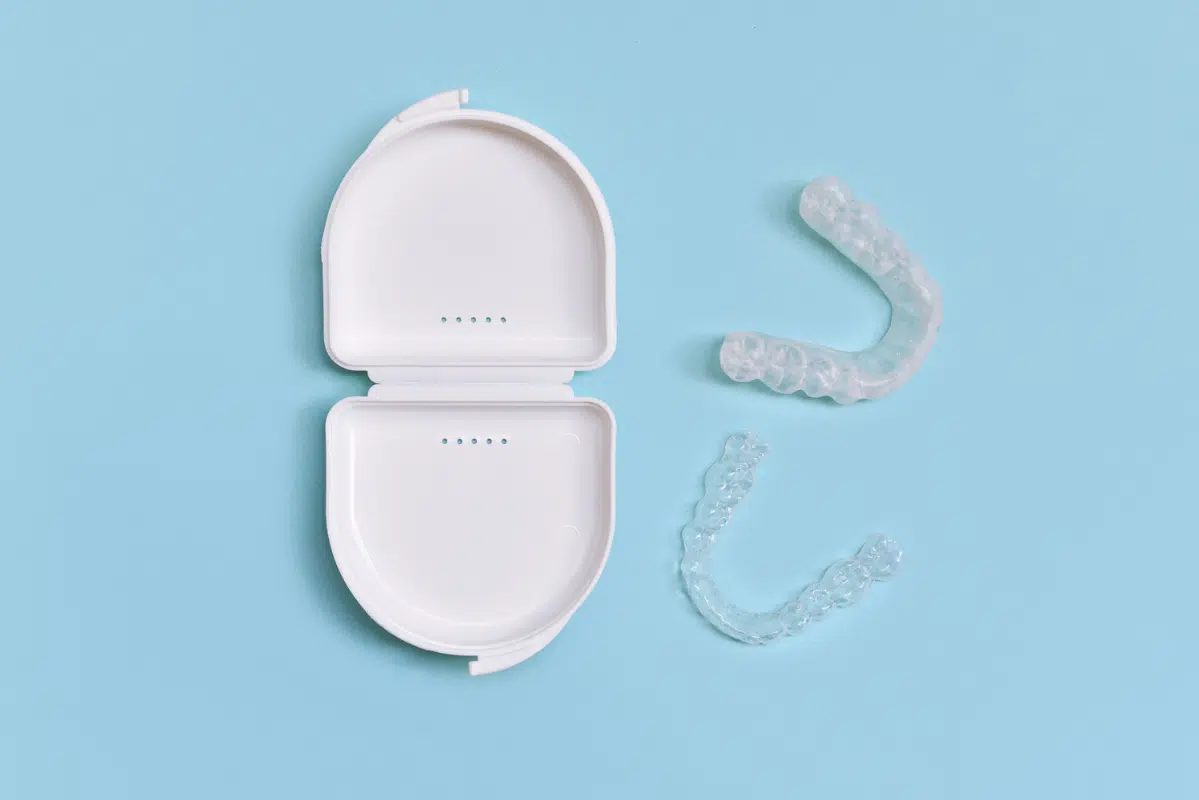
For teenagers and adults, traditional braces remain a reliable option for mild to moderate underbites. Braces gradually move teeth into better positions over 18 to 36 months. Clear aligners like Invisalign can work for minor cases but aren’t suitable for everyone.
Surgical Correction for Severe Cases
Severe underbites often require jaw surgery combined with braces. Called orthognathic surgery, this approach repositions the jaw bones themselves. An oral surgeon performs the procedure, then orthodontic treatment fine-tunes the tooth positions. Recovery takes several weeks, but the results can be life-changing.
Many families in the area start their underbite correction journey at their regular dental office, where their dentist Syracuse provider can assess the situation and make appropriate referrals to specialists when needed. Local practices often have established relationships with top oral surgeons and orthodontists in the region.
Living with an Underbite Before Treatment
Practical Daily Management Strategies
If you’re not ready for treatment right away, there are ways to manage daily challenges. Cut your food into smaller pieces to make chewing easier. Avoid super hard or sticky foods that put extra stress on your misaligned teeth.
Enhanced Oral Care Protocols
Practice good oral hygiene with extra attention to hard-to-reach spots. An electric toothbrush can help clean more effectively around overlapping teeth. Flossing becomes even more important when you have an underbite.
Pain Management Techniques
Jaw exercises recommended by your dentist can help reduce pain and tension. Gentle stretching and massage of the jaw muscles brings relief for many people dealing with bite-related discomfort. Applying warm compresses to sore jaw muscles and avoiding excessive gum chewing can also help manage symptoms.
The Role of Regular Dental Visits
Monitoring and Preventive Care
Seeing your dentist regularly becomes extra important when you have an underbite. Professional cleanings remove buildup from spots you can’t reach at home. Your dentist also monitors how your bite affects your overall oral health.
During checkups, your dental team can spot early signs of uneven wear, gum recession, or joint problems. Catching these issues early means simpler, less expensive fixes. For parents, regular visits help track children’s jaw development and determine the best timing for intervention.
Insurance and Financial Planning
Most dental insurance plans cover routine visits, and many offer some coverage for necessary orthodontic treatment. Working with a dentist Syracuse practice that accepts multiple insurance plans can make treatment more affordable and accessible for local families. Many dental offices offer payment plans that spread the cost of treatment over several months or years.
Frequently Asked Questions
1. Can an underbite fix itself over time?
No, underbites don’t correct themselves without treatment. In fact, they often get worse as you age if left alone. Early intervention gives the best results.
2. At what age should underbite treatment start?
The ideal time for evaluation is around age 7, when jaw growth patterns become clear. Treatment might not start immediately, but early assessment helps with planning.
3. How long does underbite treatment take?
Treatment time varies widely. Growth modification in children takes 12 to 24 months. Braces typically require 18 to 36 months. Surgery cases may need three to four years total.
4. Does fixing an underbite hurt?
Most treatments cause some discomfort but not severe pain. Braces create pressure sensations when adjusted. Surgery involves post-operative soreness that medication manages well.
5. Will my insurance cover underbite correction?
Many insurance plans cover medically necessary orthodontic treatment. Coverage varies, so check your specific policy. Dental offices usually help verify benefits before treatment starts.
6. Can adults fix an underbite?
Yes! Adults can successfully treat underbites through braces, clear aligners, or surgery. The process takes longer than it does for children, but results are excellent.
7. What happens if I don’t treat my underbite?
Untreated underbites often lead to tooth damage, jaw joint disorders, difficulty eating, and speech problems. The issues typically worsen over time rather than staying stable.
8. Are there foods I should avoid with an underbite?
Hard, crunchy, and sticky foods can be difficult. Many people find raw vegetables, tough meats, and chewy candies challenging. After treatment starts, your orthodontist will provide specific dietary guidelines.
Making Your Decision
Evaluating Your Personal Situation
Deciding to address an underbite is personal. Consider how the condition affects your daily life, your long-term oral health, and your confidence. Talk with dental professionals who can explain your specific situation and realistic treatment outcomes.
Understanding Treatment Benefits
Modern dentistry offers more options than ever before. Treatments are more comfortable, faster, and more effective than they were even ten years ago. Whether you’re dealing with a child’s developing underbite or your own long-standing concerns, solutions exist that can transform your quality of life.
Conclusion: Taking the Next Step
Understanding what an underbite is and how it impacts your health empowers you to make informed choices. If you recognize symptoms of an underbite in yourself or your child, now is the time to get a professional evaluation. Finding a qualified dentist is as simple as asking friends for recommendations or searching online for providers with strong reviews and orthodontic experience. Local residents often share their experiences with area dental practices, which can help you find a trusted dentist near me that fits your needs and schedule.
Your smile and your comfort matter. Don’t let concerns about cost or time prevent you from exploring your options. Schedule a consultation with a dentist Syracuse professional today to discuss your bite, your concerns, and your goals. Together, you can create a treatment plan that fits your needs and your life. Your journey to a healthier, more comfortable bite starts with a conversation.