
The Importance of Patient Education in Modern Dentistry

March 20, 2026
Featured image for “The Importance of Patient Education in Modern Dentistry”

How knowing more about your oral health leads to better outcomes and fewer surprises in the chair.

Think about the last time you visited a dentist in Syracuse, NY. Did you leave with a clear picture of what was happening in your mouth? Or did you walk out with a treatment plan you barely understood? You are not alone. Many people skip dental visits not because they do not care, but because dental care feels confusing and a little intimidating.

Patient education changes that. When patients understand what their dentist is doing and why, they feel more confident, follow through on care, and get better results. At Down Town Dental Syracuse, we have seen this firsthand. The more our patients understand, the healthier their smiles become.

What Patient Education Actually Means

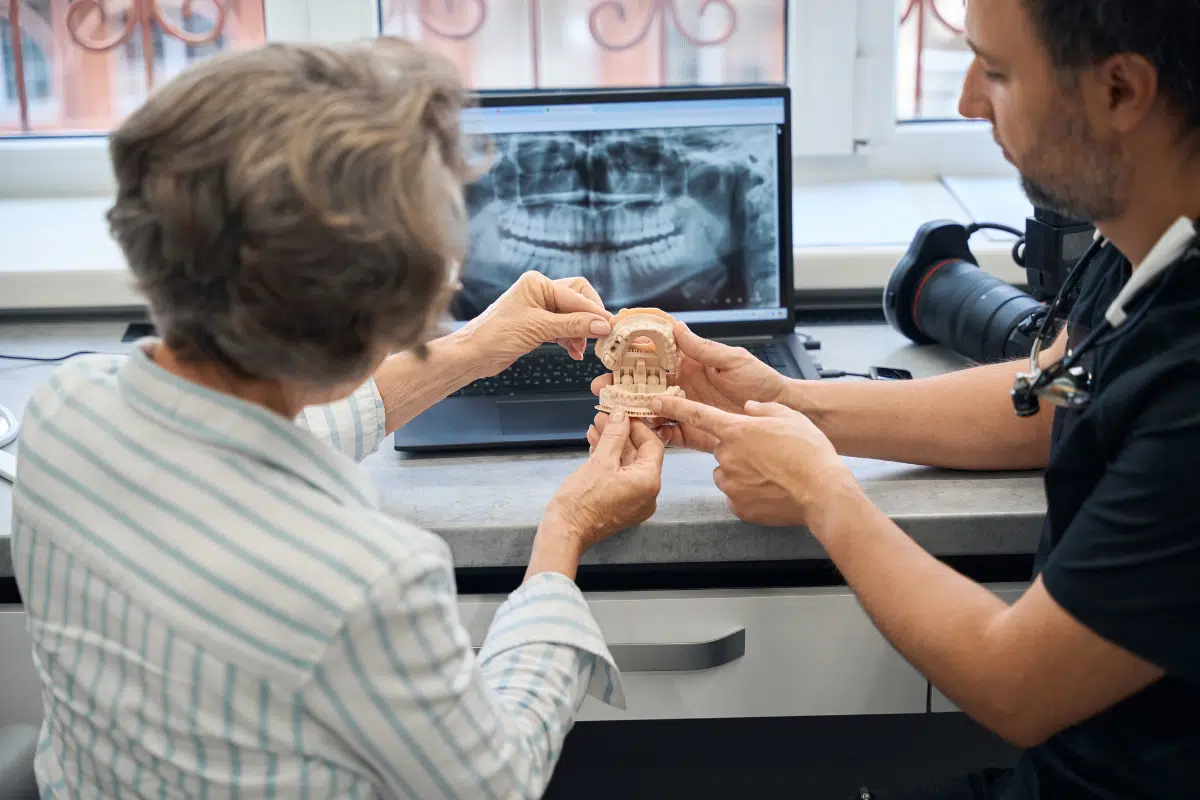
Patient education in dentistry is not just handing someone a brochure in the waiting room. It means having real conversations about oral health, explaining procedures in plain language, showing patients what is going on in their mouth, and helping them make smart choices at home.

It covers everything from brushing technique to understanding why a root canal is needed. When a dentist takes time to explain, patients feel respected and informed.

Why It Matters More Than People Realize

A. Prevention Starts at Home

A dental visit happens twice a year. The other 363 days, it is all up to the patient. When people know how plaque builds up, what causes cavities, and how gum disease starts, they are better equipped to act on that knowledge daily. Education turns a passive patient into an active one.

B. It Reduces Fear and Anxiety

Fear of the unknown is one of the biggest reasons people avoid dental care. When a dentist walks a patient through what a procedure involves, step by step, much of that fear fades. Understanding what a tool does or why an X-ray is needed takes the mystery out of the visit.

Dental anxiety affects roughly 1 in 6 Americans. Clear communication and patient education are among the most effective tools to address it, without medication.

C. It Leads to Earlier Diagnoses

Educated patients notice changes in their mouth earlier. A patient who knows what a healthy gum looks like will spot swelling or bleeding much sooner than one who has no reference point. Early detection means simpler, less expensive treatment.

What Good Patient Education Looks Like in Practice

At Down Town Dental Syracuse, patient education is woven into every appointment, not saved for when something goes wrong. Here is what that looks like in a practical setting:

  • Showing patients their X-rays and explaining what each image means
  • Demonstrating proper flossing and brushing techniques chairside
  • Discussing the link between diet, dry mouth, and tooth decay
  • Explaining how medications can affect oral health (a concern for many older adults in Central New York)
  • Giving clear pre- and post-procedure instructions in plain language
  • Answering questions without rushing the patient out the door

The Role of Technology in Patient Understanding

Modern dental practices use intraoral cameras and digital imaging to show patients exactly what the dentist sees. A small camera can display your back molars on a screen in real time. Seeing a crack or a cavity yourself is far more convincing than just being told one exists.

These tools are not about selling treatment. They are about giving patients honest, visual information so they can make informed decisions about their own health.

Patient Education and Oral-Systemic Health

Many people in Syracuse and across Central New York manage conditions like diabetes, heart disease, or high blood pressure. What they may not know is that these conditions are directly linked to oral health. Gum disease can make blood sugar harder to control. Poor oral hygiene has been connected to cardiovascular problems.

A well-educated patient understands these connections. They see their dental care not as separate from their overall health but as part of the same picture. When you search for a dentist near me, look for a practice that treats your whole health, not just your teeth in isolation.

How Patients Can Take a More Active Role

Being an informed dental patient does not require a medical degree. A few simple habits make a big difference:

  • Write down questions before your appointment so you do not forget them
  • Ask your dentist to explain any finding or recommendation in plain terms
  • Request a written summary of your treatment plan to review at home
  • Tell your dentist about any changes in your overall health or new medications
  • Do not skip the hygienist’s cleaning instructions, even if you have heard them before

Frequently Asked Questions

Q1. How often should I visit the dentist for a routine checkup?

Most adults benefit from a checkup and professional cleaning every six months. However, patients with gum disease, dry mouth, or a history of frequent cavities may need to come in more often. Your dentist can give you a schedule based on your personal situation.

Q2. Why does my dentist take X-rays every year?

X-rays help dentists see problems that are not visible to the naked eye, including cavities between teeth, bone loss, and issues below the gumline. They are an important part of catching problems early before they become bigger and more costly.

Q3. What is the connection between gum disease and heart health?

Research shows that the bacteria responsible for gum disease can enter the bloodstream and contribute to inflammation in blood vessels. This is linked to a higher risk of heart disease and stroke. Keeping your gums healthy is a meaningful step toward protecting your cardiovascular health.

Q4. How can I help my child develop good oral hygiene habits early?

Start brushing as soon as the first tooth appears. Make it a routine, not a battle, by brushing together as a family. Limit sugary drinks and snacks between meals, and schedule their first dental visit by their first birthday or within six months of the first tooth coming in.

Q5. Is teeth sensitivity a sign of a serious problem?

Not always, but it should be evaluated. Sensitivity to hot or cold can be caused by enamel erosion, a cracked tooth, receding gums, or early-stage decay. A dentist can identify the cause and recommend a simple fix before the problem worsens.

Q6. Can my diet really affect my dental health that much?

Yes. Sugary and acidic foods feed the bacteria that cause cavities and wear down enamel. Foods rich in calcium and phosphorus (like dairy, leafy greens, and nuts) help strengthen teeth. Staying hydrated with water, especially fluoridated water, also plays a big role in cavity prevention.

Q7. What should I do if I feel nervous about dental procedures?

Tell your dentist before the appointment, not during. A good dental team will adjust their approach, explain each step as they go, and give you a signal you can use if you need a break. Sedation options are also available for patients with significant anxiety.

Q8. How do I know if I need a filling or just a cleaning?

Only a dentist can determine that after an exam and X-rays. Signs like pain when biting, sensitivity to sweets, or visible dark spots on teeth can point to decay that needs a filling. Regular cleanings help remove the plaque buildup that leads to cavities in the first place.

Conclusion

Modern dental care is a partnership. A dentist in Syracuse can diagnose, treat, and advise, but the patient has to be willing to engage with that information and act on it. The more both sides communicate openly, the better the results.

Down Town Dental Syracuse is committed to making every patient feel informed, comfortable, and confident about their care. Whether you are coming in for your first visit or your twentieth, the goal is always the same: to give you the tools and knowledge to keep your smile healthy for life. If you have been looking for a dentist near me who puts patient understanding first, we would love to meet you. Schedule a consultation with Down Town Dental Syracuse today, or contact our syracuse office directly to ask any questions before your first visit.


Share:
March 20, 2026

How knowing more about your oral health leads to better outcomes and fewer surprises in the chair.

Think about the last time you visited a dentist in Syracuse, NY. Did you leave with a clear picture of what was happening in your mouth? Or did you walk out with a treatment plan you barely understood? You are not alone. Many people skip dental visits not because they do not care, but because dental care feels confusing and a little intimidating.

Patient education changes that. When patients understand what their dentist is doing and why, they feel more confident, follow through on care, and get better results. At Down Town Dental Syracuse, we have seen this firsthand. The more our patients understand, the healthier their smiles become.

What Patient Education Actually Means

Patient education in dentistry is not just handing someone a brochure in the waiting room. It means having real conversations about oral health, explaining procedures in plain language, showing patients what is going on in their mouth, and helping them make smart choices at home.

It covers everything from brushing technique to understanding why a root canal is needed. When a dentist takes time to explain, patients feel respected and informed.

Why It Matters More Than People Realize

A. Prevention Starts at Home

A dental visit happens twice a year. The other 363 days, it is all up to the patient. When people know how plaque builds up, what causes cavities, and how gum disease starts, they are better equipped to act on that knowledge daily. Education turns a passive patient into an active one.

B. It Reduces Fear and Anxiety

Fear of the unknown is one of the biggest reasons people avoid dental care. When a dentist walks a patient through what a procedure involves, step by step, much of that fear fades. Understanding what a tool does or why an X-ray is needed takes the mystery out of the visit.

Dental anxiety affects roughly 1 in 6 Americans. Clear communication and patient education are among the most effective tools to address it, without medication.

C. It Leads to Earlier Diagnoses

Educated patients notice changes in their mouth earlier. A patient who knows what a healthy gum looks like will spot swelling or bleeding much sooner than one who has no reference point. Early detection means simpler, less expensive treatment.

What Good Patient Education Looks Like in Practice

At Down Town Dental Syracuse, patient education is woven into every appointment, not saved for when something goes wrong. Here is what that looks like in a practical setting:

  • Showing patients their X-rays and explaining what each image means
  • Demonstrating proper flossing and brushing techniques chairside
  • Discussing the link between diet, dry mouth, and tooth decay
  • Explaining how medications can affect oral health (a concern for many older adults in Central New York)
  • Giving clear pre- and post-procedure instructions in plain language
  • Answering questions without rushing the patient out the door

The Role of Technology in Patient Understanding

Modern dental practices use intraoral cameras and digital imaging to show patients exactly what the dentist sees. A small camera can display your back molars on a screen in real time. Seeing a crack or a cavity yourself is far more convincing than just being told one exists.

These tools are not about selling treatment. They are about giving patients honest, visual information so they can make informed decisions about their own health.

Patient Education and Oral-Systemic Health

Many people in Syracuse and across Central New York manage conditions like diabetes, heart disease, or high blood pressure. What they may not know is that these conditions are directly linked to oral health. Gum disease can make blood sugar harder to control. Poor oral hygiene has been connected to cardiovascular problems.

A well-educated patient understands these connections. They see their dental care not as separate from their overall health but as part of the same picture. When you search for a dentist near me, look for a practice that treats your whole health, not just your teeth in isolation.

How Patients Can Take a More Active Role

Being an informed dental patient does not require a medical degree. A few simple habits make a big difference:

  • Write down questions before your appointment so you do not forget them
  • Ask your dentist to explain any finding or recommendation in plain terms
  • Request a written summary of your treatment plan to review at home
  • Tell your dentist about any changes in your overall health or new medications
  • Do not skip the hygienist’s cleaning instructions, even if you have heard them before

Frequently Asked Questions

Q1. How often should I visit the dentist for a routine checkup?

Most adults benefit from a checkup and professional cleaning every six months. However, patients with gum disease, dry mouth, or a history of frequent cavities may need to come in more often. Your dentist can give you a schedule based on your personal situation.

Q2. Why does my dentist take X-rays every year?

X-rays help dentists see problems that are not visible to the naked eye, including cavities between teeth, bone loss, and issues below the gumline. They are an important part of catching problems early before they become bigger and more costly.

Q3. What is the connection between gum disease and heart health?

Research shows that the bacteria responsible for gum disease can enter the bloodstream and contribute to inflammation in blood vessels. This is linked to a higher risk of heart disease and stroke. Keeping your gums healthy is a meaningful step toward protecting your cardiovascular health.

Q4. How can I help my child develop good oral hygiene habits early?

Start brushing as soon as the first tooth appears. Make it a routine, not a battle, by brushing together as a family. Limit sugary drinks and snacks between meals, and schedule their first dental visit by their first birthday or within six months of the first tooth coming in.

Q5. Is teeth sensitivity a sign of a serious problem?

Not always, but it should be evaluated. Sensitivity to hot or cold can be caused by enamel erosion, a cracked tooth, receding gums, or early-stage decay. A dentist can identify the cause and recommend a simple fix before the problem worsens.

Q6. Can my diet really affect my dental health that much?

Yes. Sugary and acidic foods feed the bacteria that cause cavities and wear down enamel. Foods rich in calcium and phosphorus (like dairy, leafy greens, and nuts) help strengthen teeth. Staying hydrated with water, especially fluoridated water, also plays a big role in cavity prevention.

Q7. What should I do if I feel nervous about dental procedures?

Tell your dentist before the appointment, not during. A good dental team will adjust their approach, explain each step as they go, and give you a signal you can use if you need a break. Sedation options are also available for patients with significant anxiety.

Q8. How do I know if I need a filling or just a cleaning?

Only a dentist can determine that after an exam and X-rays. Signs like pain when biting, sensitivity to sweets, or visible dark spots on teeth can point to decay that needs a filling. Regular cleanings help remove the plaque buildup that leads to cavities in the first place.

Conclusion

Modern dental care is a partnership. A dentist in Syracuse can diagnose, treat, and advise, but the patient has to be willing to engage with that information and act on it. The more both sides communicate openly, the better the results.

Down Town Dental Syracuse is committed to making every patient feel informed, comfortable, and confident about their care. Whether you are coming in for your first visit or your twentieth, the goal is always the same: to give you the tools and knowledge to keep your smile healthy for life. If you have been looking for a dentist near me who puts patient understanding first, we would love to meet you. Schedule a consultation with Down Town Dental Syracuse today, or contact our syracuse office directly to ask any questions before your first visit.


Share: