315-422-0894


How Does Professional Teeth Whitening Improve a Dull or Yellow Smile?
September 15, 2026
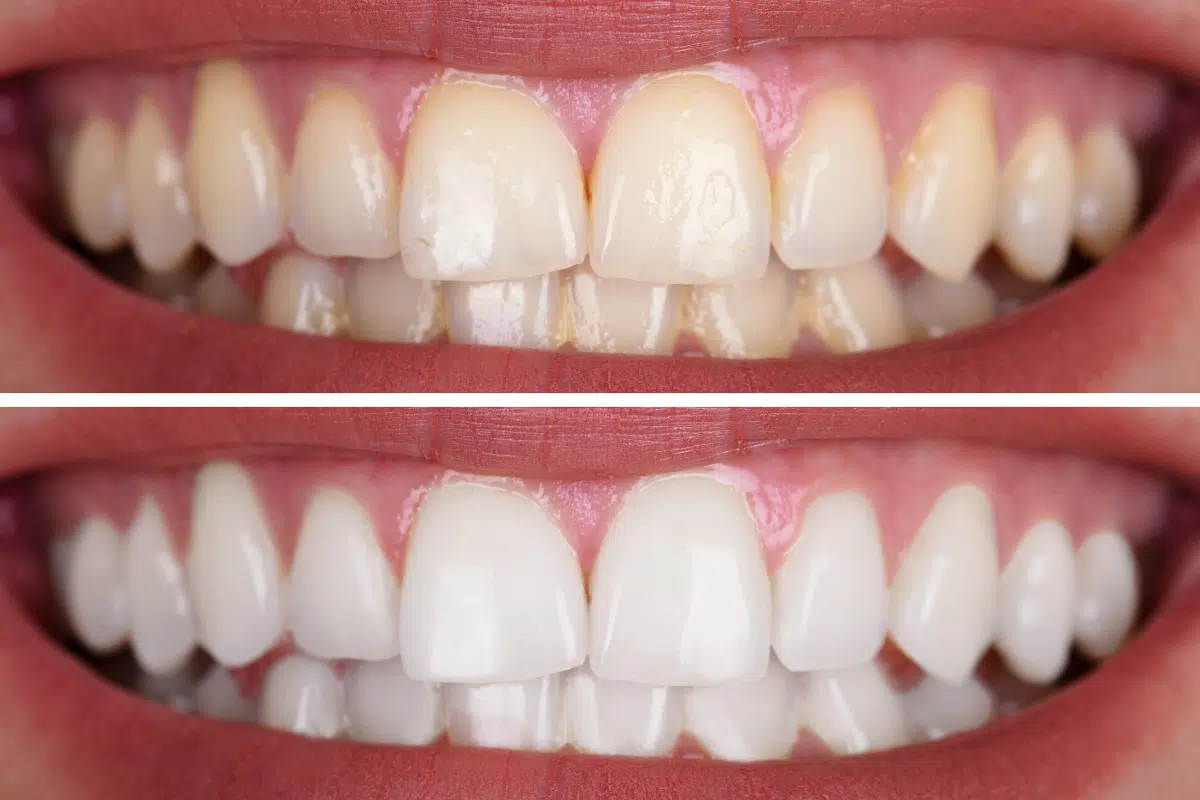
A smile can slowly lose its brightness without you noticing it at first. One day, you may see yourself in a photo or mirror and realize your teeth look more yellow or dull than they used to. Coffee, tea, dark foods, tobacco, aging, and other factors can gradually change the color of natural teeth. While daily brushing and professional cleanings help protect your oral health, they may not remove every type of discoloration.
For people interested in cosmetic dentistry, professional whitening can be a simple way to improve the appearance of natural teeth without changing their shape or structure. The treatment focuses on reducing discoloration and helping your smile look brighter. Before deciding whether whitening is right for you, though, it helps to understand why teeth become yellow and what professional treatment can realistically achieve.
Downtown Dental Syracuse provides cosmetic dental services for patients who want to improve their smiles while maintaining a healthy foundation. If you are considering teeth whitening in syracuse, a professional evaluation can help determine whether the discoloration affecting your teeth is likely to respond well to treatment.
Why Does a Smile Become Dull or Yellow?
Tooth discoloration can happen for several reasons. Some stains develop on the outer surface of the enamel, while others are found deeper inside the tooth. This difference is important because whitening does not produce the same results for every type of discoloration.
Coffee and tea are among the most common causes of surface stains. Dark sodas, red wine, berries, sauces, and tobacco can also affect the color of teeth over time. These substances contain pigments that can gradually leave stains on the enamel, making a smile appear darker or less bright.
Aging can also play a role. As people get older, enamel may gradually become thinner. This can make the naturally darker layer beneath the enamel, called dentin, more visible. Certain medications, dental injuries, and developmental changes can also affect tooth color.
Understanding the cause of discoloration helps determine whether whitening is the right option. A dental examination can identify whether the concern is mainly related to staining or whether another cosmetic or restorative treatment may provide a better result.
How Does Professional Whitening Work?
Professional whitening is designed to lighten the color of natural teeth. Whitening products use bleaching agents that break down stain compounds, helping reduce discoloration and improve the overall shade of the enamel.
The treatment works differently from simply brushing with whitening toothpaste. Toothpaste can help remove some surface stains, but professional whitening is designed to create a more noticeable change in the natural color of teeth.
Before treatment, your dentist can examine your teeth and gums and discuss your goals. This step is important because untreated cavities, gum problems, cracks, or other concerns may need attention before cosmetic treatment begins.
Professional guidance also helps create realistic expectations. Whitening can make teeth brighter, but it does not change everything about a smile. It cannot repair chipped teeth, close gaps, straighten crooked teeth, or change the color of crowns and fillings.
The American Dental Association provides useful information for people who want to learn more about oral health and the safe use of dental products.
What Can Professional Whitening Improve?
Professional whitening can be especially helpful when discoloration is the main concern. Patients who are happy with the shape and position of their teeth but want a brighter appearance may find whitening to be a more conservative cosmetic option.
Treatment may help improve the appearance of:
- Yellow teeth
- Coffee and tea stains
- Tobacco-related stains
- Mild to moderate discoloration
- Age-related yellowing
- A dull-looking smile
The final results depend on several factors. Your natural tooth color, the cause of the stains, and your daily habits can all influence how much your teeth brighten.
A good whitening plan focuses on improvement rather than creating an unnatural shade. The goal is usually a brighter smile that still looks natural and fits your overall appearance.
Professional Whitening vs. Store-Bought Products
Store shelves are filled with whitening strips, gels, toothpastes, and other products. Some of these products may help reduce surface stains, but professional treatment begins with something store-bought products cannot provide, an examination of your individual oral health.
A dentist can check for concerns that may affect whitening, including tooth decay, gum problems, worn enamel, or existing restorations. This helps patients avoid using cosmetic products when another dental issue should be addressed first.
| Option | Main Purpose | Professional Evaluation |
| Whitening toothpaste | Helps reduce some surface stains | No |
| Store-bought whitening products | May lighten certain discoloration | No |
| Professional whitening | Improves the shade of natural teeth | Yes |
For patients who already have sensitive teeth or visible crowns and fillings, professional guidance can be especially useful. The best option depends on your teeth rather than simply choosing the strongest product available.
Why an Examination Comes Before Treatment
A brighter smile should never take priority over dental health. Before whitening, your teeth and gums should be examined to identify problems that may need treatment.
Cavities, gum disease, damaged teeth, and exposed tooth surfaces can affect whether whitening is appropriate. Addressing these concerns first can help protect your oral health and make cosmetic treatment more predictable.
Existing dental work also matters. Crowns, veneers, fillings, and bonding do not whiten like natural enamel. If a visible restoration is darker or lighter than the surrounding teeth after whitening, your dentist may discuss ways to maintain a balanced appearance.
A professional evaluation gives you a clearer picture of what your smile needs. This is often more helpful than guessing based on online photos or product advertisements.
Who May Benefit From Whitening?
Whitening may be a good option for people with healthy teeth and gums who mainly want to improve tooth color. It can be a practical choice when the shape, spacing, and overall appearance of the teeth are already satisfactory.
A person who drinks coffee every morning, for example, may gradually notice surface stains despite brushing regularly. Another person may see more yellowing as they get older. In these situations, professional treatment may help improve the appearance of natural teeth.
For someone exploring teeth whitening in syracuse, the best starting point is identifying what caused the discoloration. If staining is the main issue, whitening may provide the improvement you want without changing healthy tooth structure.
However, deep stains do not always respond in the same way. Your dentist can explain whether the expected results match your goals before treatment begins.
What Happens With Deep Tooth Discoloration?
Some stains develop inside the tooth rather than on the outer enamel. Dental trauma, certain medications, and developmental conditions can sometimes create deep discoloration that may be difficult to change with whitening alone.
If one tooth suddenly becomes much darker than the others, it should be examined before considering cosmetic treatment. A major color change can sometimes indicate an underlying problem that needs dental care.
Whitening may still provide improvement in some cases, but results can vary. Veneers, bonding, or other treatments may be discussed when tooth color is combined with additional cosmetic concerns.
The National Institute of Dental and Craniofacial Research is another helpful American resource for readers who want reliable information about protecting their oral health.
Can Whitening Make Your Smile Look Fresher?
A brighter smile can change the overall appearance of your teeth without changing their natural shape. When yellowing and stains are reduced, teeth may appear cleaner and more refreshed.
Many people notice tooth discoloration most clearly in photographs. Lighting can make yellow tones more visible, especially when compared with lighter clothing or surrounding features.
Professional whitening can reduce this dull appearance and help restore a brighter shade. The treatment does not change your personality or facial features, but feeling more comfortable about your smile can make a real difference in how confidently you show it.
The best cosmetic result is usually one that looks natural. Extremely white teeth are not always the goal. A shade that looks healthy and balanced often creates the most satisfying result.
How Long Do Whitening Results Last?
Whitening results are not permanent because your teeth continue to be exposed to foods, drinks, and habits that can cause new stains. Coffee, tea, tobacco, and deeply colored foods can gradually affect the shade again.
Good oral hygiene can help maintain a brighter smile. Brushing twice daily, cleaning between your teeth, and attending regular dental cleanings can help reduce plaque and surface staining.
Some patients choose touch-up whitening over time. The need for maintenance varies depending on diet, oral hygiene, and daily habits.
You do not have to eliminate every food or drink you enjoy. Being aware of common staining sources and maintaining good oral care can help your results last longer.
What About Tooth Sensitivity?
Tooth sensitivity is a common concern for people considering whitening. Some patients may experience temporary sensitivity during or after treatment, although the experience can vary.
People who already have sensitive teeth should discuss this before starting treatment. Sensitivity can sometimes be linked to worn enamel, gum recession, cavities, cracks, or other dental concerns.
Your dental team can evaluate your teeth and determine whether whitening is appropriate. Being open about sensitivity before treatment helps create a plan that considers your comfort and oral health.
Temporary sensitivity should not be ignored if it becomes severe or continues. Clear communication with your dental provider is an important part of any cosmetic treatment.
When Whitening Is Not the Complete Solution
A dull smile is not always caused by tooth color alone. Some patients also have chipped edges, uneven teeth, gaps, worn surfaces, or alignment concerns.
Whitening can improve color, but it cannot repair damage or change tooth shape. When several cosmetic concerns are present, another treatment may provide a more complete solution.
Downtown Dental Syracuse offers a range of cosmetic and restorative options, allowing patients to discuss their concerns based on the condition of their teeth rather than choosing a treatment without proper guidance.
A syracuse dentist can examine your smile and explain whether whitening alone makes sense. Sometimes a simple treatment is all that is needed. Other times, a different approach may better address the concern.
Know Our Dentists
Choosing a cosmetic treatment should begin with understanding the health of your teeth. At Downtown Dental Syracuse, Dr. Tyler Mead and Dr. Chris Zimmerman bring broad experience across general, restorative, cosmetic, and orthodontic care. Their backgrounds support a complete approach when patients want to improve the appearance of their smiles.
Dr. Tyler Mead, DDS
Dr. Tyler Mead earned his Bachelor of Science degree in Biology from LeMoyne College, with a minor in Chemistry. He later received his Doctor of Dental Surgery degree from the University at Buffalo School of Dental Medicine, where he also minored in Oral Diagnostic Sciences.
After dental school, Dr. Mead completed a one-year General Practice Residency at York Hospital in Pennsylvania. His training included all areas of general dentistry, along with additional experience in the placement and restoration of dental implants. He was named Most Outstanding Resident of the Year after completing the program.
Dr. Mead has practiced dentistry since 2008 and provides services that include fillings, crowns and bridges, veneers, dentures, extractions, implant treatment, root canals, and pediatric dentistry. This broad experience is valuable when evaluating cosmetic concerns because tooth color should always be considered alongside the overall health and condition of a patient’s smile.
Dr. Chris Zimmerman, DDS
Dr. Chris Zimmerman earned his Bachelor of Science degree in Chemistry, Cum Laude, from LeMoyne College and completed his doctorate in dentistry at the University of Pennsylvania. He has practiced at the Downtown Syracuse office since 1993.
Dr. Zimmerman is committed to continuing education across dental and orthodontic care. His areas of experience include laser dentistry, CEREC crowns, dental implants, and Invisalign.
His broad clinical background helps patients look beyond one cosmetic concern and consider the full condition of their smiles. Tooth health, bite, alignment, existing dental work, and cosmetic goals can all affect which treatment makes the most sense.
Our Patients Review
Patient experiences can often show why feeling comfortable and informed matters during dental care.
“Best first visit! I have a great sense of confidence in the course of action we are about to take. The whole staff made me feel so comfortable today.”
★★★★★ (Beth D)
Feedback like this reflects the value of clear communication and a comfortable experience. Cosmetic treatment decisions are easier when patients understand their options and feel confident asking questions about their care.
A Brighter Smile Starts With the Right Information
Professional whitening can be an effective option for improving a dull or yellow smile when discoloration is the main concern. It can help lighten natural teeth and reduce the appearance of common stains without changing the shape or structure of healthy teeth.
For patients considering cosmetic dentistry, understanding the cause of discoloration is the most important first step. Not every stain responds the same way, and whitening is not always the right solution for deep discoloration or other cosmetic concerns.
If you are thinking about teeth whitening in syracuse, book a consultation and we will help you understand what results are realistic for your smile. Downtown Dental Syracuse can evaluate your teeth, discuss your goals, and explain whether professional whitening is an appropriate option.
Speaking with a syracuse dentist can give you clear answers about your tooth color, oral health, and available treatment choices. A brighter smile begins with making an informed decision based on what your teeth actually need.
Frequently Asked Questions
1. How does professional whitening make teeth brighter?
Professional whitening uses bleaching agents designed to break down stain compounds and lighten the natural color of teeth.
2. Can whitening remove yellow stains from coffee and tea?
It can improve many stains caused by coffee and tea, although the results depend on the severity and type of discoloration.
3. Does professional whitening work on crowns?
No. Whitening does not change the color of crowns, fillings, veneers, or other existing restorations.
4. Is professional whitening safe for sensitive teeth?
People with sensitive teeth should have an examination first. A dental professional can determine whether treatment is appropriate.
5. How long will whitening results last?
Results vary depending on your oral hygiene, diet, and exposure to staining foods, drinks, and tobacco.
6. Can I whiten my teeth if I have cavities?
Dental problems such as untreated cavities should generally be addressed before cosmetic whitening is considered.
7. Will whitening change the shape of my teeth?
No. Whitening changes tooth color only. It does not change tooth shape, size, or alignment.
8. How do I know if whitening is right for me?
A dental examination can identify the cause of your discoloration and help determine whether whitening is likely to provide the results you want.