315-422-0894


Comprehensive Treatment for Patients With Multiple Bite and Alignment Problems
October 29, 2026
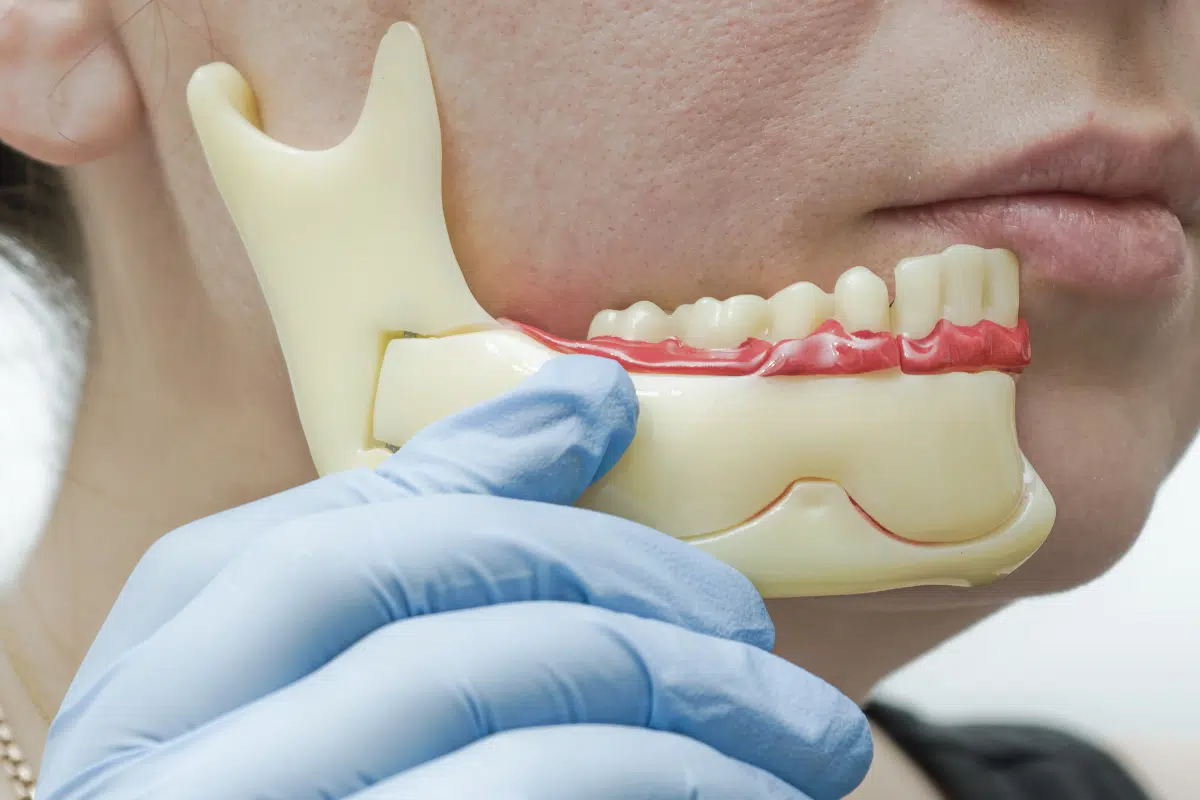
Maybe your top teeth cover your bottom ones too much. Maybe a few teeth are crowded and others have gaps. Maybe your jaw clicks when you chew. Many adults live with two or three of these at once and treat each one as a separate nuisance.
They are often linked. Teeth that do not line up put uneven force on the jaw, gums, and enamel. Today, Invisalign and braces can fix many of these problems together. When you look for an orthodontist in syracuse, the best first question is who will look at the whole picture. This guide explains how bite and alignment problems connect, how a full plan is built, and what the steps look like.
What Counts as a Bite or Alignment Problem
Dentists call a bad bite a malocclusion. It comes in several forms, and many people have more than one.
| Problem | What It Looks Like | What It Can Cause |
| Crowding | Teeth overlap or twist | Hard-to-clean spots, cavities, gum trouble |
| Gaps | Space between teeth | Trapped food, sore gums, a shifting bite |
| Overbite | Upper teeth cover too much of the lower | Worn lower teeth, jaw strain |
| Underbite | Lower teeth sit in front of the upper | Chewing trouble, uneven wear |
| Crossbite | Some upper teeth bite inside the lower | Worn teeth, a jaw that shifts to one side |
| Open bite | Front teeth do not touch when you bite | Trouble biting food, speech changes |
Why These Problems Stack Up
One problem rarely stays alone. Crowded teeth trap plaque, so gums swell. Swollen gums can lose bone over time. A bite that hits too hard on one side wears teeth down and can strain the jaw joint. Grinding or clenching adds more wear on top.
This is why one quick fix can fail. Closing a gap without checking the bite is like painting a wall with a leak behind it. The stain comes back.
What Complete Care Looks Like
A full plan follows a clear order. Here is how it usually runs.
- Full exam and records. The team takes photos, digital X-rays, and impressions of your teeth. The doctor checks your gums, bite, and jaw joint, and listens to your concerns.
- Health first. Gum disease, decay, and infected teeth are treated before teeth move. Teeth cannot be moved safely through unhealthy gums and bone. This stage can include laser gum therapy, fillings, or a root canal.
- Plan the movement. You and the doctor choose aligners, braces, or a mix.
- Fix what is missing or worn. Implants, crowns, bridges, veneers, and bone grafts often come after teeth are in place, so the new work matches the final bite.
- Protect the result. Retainers hold the new position. A night guard helps if you grind your teeth.
Aligners, Braces, or Both
Each choice has trade-offs. Your doctor will explain which one fits your bite.
| Option | Often Used For | Good Points | Trade-Offs |
| Clear aligners (Invisalign) | Crowding, gaps, and many bite problems | Nearly invisible, removable, easy to clean | Worn 20 to 22 hours a day, may need small attachments |
| Traditional braces | Harder tooth moves, or when wearing a tray all day is a worry | Working all the time, no tray to lose | Visible, harder to clean, food limits |
| Combined plan | Missing teeth, gum disease, or grinding along with crooked teeth | One plan for every need | More steps and a longer timeline |
The office notes that Invisalign now treats almost any case that braces can. Some moves, such as large twists, height changes, or tough bite fixes, are harder with aligners alone. Small tooth-colored attachments help guide those moves. A clear plan at the start tells you which tools you will need.
Who Provides Your Care
Transparency matters when treatment lasts a year or more. At Downtown Dental Syracuse, aligner and braces care comes from general dentists, Dr. Zimmerman and Dr. Mead. The same doctors also treat gums, implants, crowns, and root canals, so one team can plan every step. If you want a doctor with a specialist title, ask each office about its training. Whichever orthodontist in Syracuse you choose, ask what happens if your case needs more than they offer. Some severe jaw problems call for a surgeon, and an honest exam will say so.
What the Timeline Looks Like
Every case is different, but here are the practice’s own numbers for aligners:
- First visit: A one-hour consultation with photos, impressions, and an exam.
- Active treatment: 9 to 15 months for most cases. Some severe cases take up to two years.
- Check-ins: About every 6 to 8 weeks to track progress.
- Retainers: All day and night for the first 3 to 6 months, then at night for life.
Gum care, implants, or crowns add steps. Your doctor will lay out each one before you start.
Fitting Treatment Into Syracuse Life
Long treatment has to fit real life. You will see the team every few weeks, so location matters more than most people expect. People often type “dentist near me” when they need a quick answer, and for a long plan, a downtown office near work or school makes those check-ins easier.
Syracuse winters add a few things to plan for. Icy sidewalks and winter sports like hockey and lacrosse raise the chance of a mouth injury. An athletic mouth guard protects teeth and appliances. Ask about one if you or your teen play.
Students and busy workers can also plan ahead. Keep your aligner case in your bag, and bring a spare for travel and holidays.
Cost and Coverage, Plainly
Cost depends on how many problems you have and how hard they are to fix. The office lists a range of $2,500 to $6,500 for Invisalign, based on how complex the case is. Dental plans with braces benefits often cover part of the cost, up to the plan’s limit.
Tina Galluzzo, the office manager and a registered hygienist, reviews insurance and payment plans with patients. The practice also offers CareCredit financing and a DDS Cares membership for patients without insurance. Ask for a written cost for each phase, including retainers and any gum or implant work.
Conclusion
Multiple bite and alignment problems are connected, so the best plan treats the whole mouth in the right order. Healthy gums come first. Then teeth move, missing or worn teeth get repaired, and retainers hold the result. If you are comparing offices, ask who will guide each phase. Whether you compare an orthodontist in syracuse or a general office that offers braces and Invisalign, ask who does the work, how long it takes, and what it costs. Many patients start by searching for a dentist near me, then choose the office that explains the plan best. A clear first exam is the easiest way to see what your teeth need.
Ready to learn what your bite needs? Schedule a consultation with Downtown Dental Syracuse.
Frequently Asked Questions
1. What is a bite problem?
A bite problem means your upper and lower teeth do not meet the way they should. Common types are overbite, underbite, crossbite, and open bite.
2. Can clear aligners fix more than one problem at once?
Yes. Aligners often fix crowding, gaps, and many bite problems together. Your doctor will tell you if you need attachments or a different tool for harder moves.
3. How long does treatment take?
Most aligner cases take 9 to 15 months. Some severe cases take up to two years. Gum care, implants, or crowns can add time.
4. Do I need gum treatment before my teeth move?
If you have gum disease, yes. Healthy gums and bone are needed to move teeth safely, so gum care comes first.
5. Can fixing my bite ease jaw pain or headaches?
It can help in some cases. Jaw pain has many causes, including grinding and joint problems, so an exam is needed to find yours.
6. Is this only for teens?
No. Many adults start treatment at any age, as long as their gums and teeth are healthy.
7. Will insurance help pay for treatment?
Many plans with braces benefits cover part of the cost, up to the plan’s limit. The office team can review your plan and explain payment options.
8. What if I am missing teeth as well?
Missing teeth can be replaced with implants, bridges, or dentures. Your doctor will plan the timing so the new teeth match your final bite.