315-422-0894


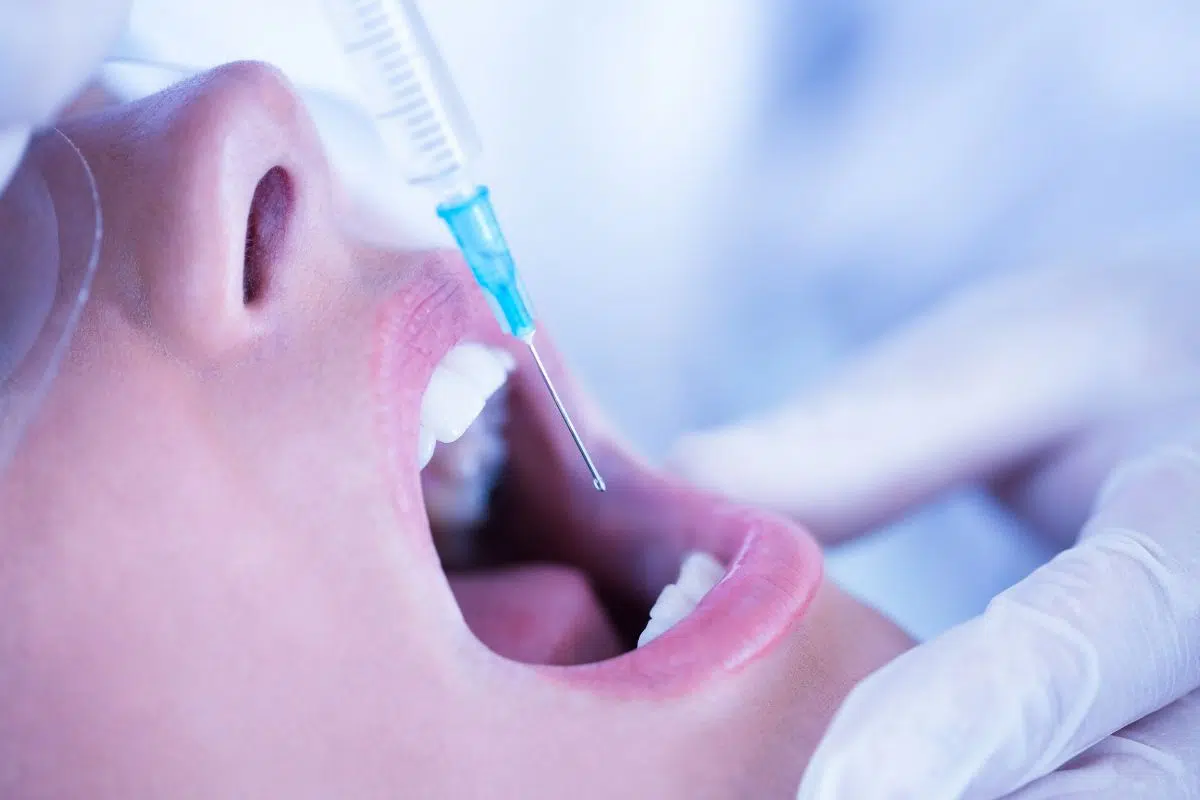
When most people think about improving their smile, veneers, whitening, and Invisalign come to mind. But there is another treatment quietly making its way into dental offices that can take your results even further: BOTOX.
If you have been searching for a cosmetic dentist in Syracuse who offers complete smile care, you may be surprised to learn that BOTOX has a real and practical role in dental treatment. It is not just about smoothing wrinkles. When used alongside cosmetic procedures, it can improve how your smile looks and how your jaw feels.
Here is a clear look at how BOTOX fits into cosmetic dentistry, what it can and cannot do, and why more patients are asking about it.
What Is BOTOX Doing in a Dental Office?
Dentists are actually among the most qualified professionals to administer BOTOX. They spend years studying the muscles of the face, jaw, and mouth. They give injections every single day. So it makes sense that dental offices offering cosmetic treatments would also offer BOTOX as part of a broader approach to facial aesthetics.
BOTOX works by relaxing specific muscles. In a dental context, that means targeting muscles that cause tension, pain, or visible concerns around the mouth and jaw area.
Common Ways BOTOX Supports Cosmetic Dental Results
1. Reducing a Gummy Smile
Some people show a lot of gum tissue when they smile because the upper lip rises too high. A small BOTOX injection can relax that muscle, lowering the lip slightly and creating a more balanced smile. This is a simple, low-risk option before considering surgical correction.
2. Softening Lines Around the Mouth
If you have invested in veneers or teeth whitening, fine lines around the lips can draw attention away from your new smile. BOTOX can soften those lines and help your cosmetic dental work look its best.
3. Managing Jaw Clenching and Teeth Grinding
Bruxism, which is the habit of clenching or grinding your teeth, puts heavy pressure on dental restorations. It can crack veneers and wear down natural enamel. BOTOX injections into the masseter (the jaw muscle) reduce that force significantly. This protects your investment and often brings real relief from jaw soreness and headaches.
4. Helping Patients Adjust to New Dental Appliances
Some patients experience muscle tension or discomfort when adjusting to dentures or orthodontic devices. BOTOX can help muscles relax during that transition period, making the process more comfortable.
Read More Article: How to Keep Your Teeth Shining After Cosmetic Treatments?
About DownTown Dental Syracuse
DownTown Dental Syracuse is located in the historic University Building in the heart of downtown. The practice has been serving the community for over 65 years. The office is led by Dr. Chris Zimmerman, DMD, and Dr. Tyler Mead, DDS, who bring broad experience in cosmetic and general dentistry to every patient visit.
Is BOTOX at the Dentist Right for You?
Not everyone who visits a cosmetic dentist needs BOTOX, and the treatment is never pushed as a requirement. But if you are dealing with any of the following, it is worth asking about:
– A gummy smile that bothers you when you look at photos
– Jaw pain, frequent headaches, or morning soreness from clenching
– Lines around the lips that age your smile
– Worn-down or broken dental work linked to grinding habits
– Discomfort adjusting to new dental appliances
A consultation will help determine whether BOTOX makes sense as part of your overall treatment. It is a conversation, not a sales pitch. The goal is to understand what bothers you and whether there is a straightforward solution.
What to Expect During Treatment
BOTOX at the dentist is quick. The injections take only a few minutes. Most patients feel minimal discomfort, which is no surprise given that dental offices are well-practiced at making injections comfortable.
Results typically appear within three to seven days and can last three to six months, depending on the area treated and your individual response. There is no downtime. You can go about your day normally after the appointment.
Aftercare Instructions of BOTOX
Proper aftercare plays a key role in achieving the best results from your BOTOX treatment and ensuring it complements your cosmetic dentistry outcomes effectively. Follow these essential guidelines:
- Avoid touching or rubbing the treated area
Do not massage, press, or apply excessive pressure to the injection sites for at least 24 hours to prevent the toxin from spreading to unintended areas.
- Stay upright for several hours
Remain in an upright position for at least 3–4 hours after the procedure. Lying down too soon may affect how BOTOX settles.
- Limit strenuous physical activity
Avoid intense exercise, heavy lifting, or activities that increase blood flow to the face for the first 24 hours, as this can reduce effectiveness.
- Skip alcohol and blood thinners temporarily
Refrain from alcohol and medications like aspirin or ibuprofen (unless prescribed) for at least 24 hours to minimize bruising.
- Avoid heat exposure
Stay away from saunas, hot showers, steam rooms, or prolonged sun exposure for the first day, as heat can interfere with results.
- Be gentle with facial treatments
Delay facials, chemical peels, or dental procedures that involve pressure around the face for at least 24–48 hours unless advised otherwise.
- Use facial muscles naturally
Light facial movements (smiling, frowning) can help BOTOX settle into the targeted muscles more effectively, but avoid exaggerated expressions.
- Watch for mild side effects
Minor swelling, redness, or bruising at the injection site is normal and usually subsides within a few days.
- Follow your provider’s specific instructions
Always adhere to any personalized aftercare guidelines given by your dentist or cosmetic professional.
- Be patient with results
Initial effects may appear within 3–5 days, with full results typically visible in 10–14 days.
BOTOX and Long-Term Smile Health
One thing that stands out about BOTOX in dentistry is its protective role. Patients who clench or grind their teeth often spend significant money on crowns, veneers, and other restorations, only to have them damaged again. Addressing the underlying muscle behavior with BOTOX can break that cycle.
For those who have recently completed cosmetic dental work with a cosmetic dentist in Syracuse, protecting that investment makes practical sense. A well-placed BOTOX treatment can reduce wear, extend the life of restorations, and keep the surrounding facial area looking natural and balanced.
If you have been looking for a dentist near me who combines cosmetic dental care with facial treatments, DownTown Dental Syracuse offers both under one roof, with providers who understand how each treatment affects the other.
A Note on Safety and Realistic Expectations
BOTOX is a medical treatment. It has real effects and requires proper training to administer well. At DownTown Dental Syracuse, treatments are performed by trained dental professionals who understand the anatomy of the face in detail. That background matters.
Results are not permanent, and that is actually an advantage. If you are trying BOTOX for the first time, you can see how your body responds and adjust from there. There is no long-term commitment required to get started.
As with any treatment, an honest conversation about your goals and health history will come first. You will know what to expect before any procedure begins.
Also Read: How to Find a Cosmetic Dentist for Your Needs in Syracuse?
Taking the Next Step
Your smile is often the first thing people notice about you. For residents of the Syracuse area, having access to a cosmetic dentist in Syracuse who looks at the whole picture, including teeth, gums, jaw function, and the surrounding facial area, is a real advantage.
Whether you are dealing with jaw pain from grinding, want to enhance a new smile with veneer treatment, or simply want to explore your options, the team at DownTown Dental Syracuse is ready to help. If you have been wondering where to find a dentist near me who also understands facial aesthetics, this is a good place to start.
Schedule a consultation with DownTown Dental Syracuse to talk through your smile goals and learn whether BOTOX is a good fit for you. The office is located at 120 E. Washington St., Suite 101, in downtown Syracuse, and welcomes new patients. Contact our DownTown Dental Syracuse office today to book your visit and take that first step toward a smile that looks and feels its best.
Frequently Asked Questions
1. Can a dentist legally administer BOTOX?
Yes. In most states, including New York, licensed dentists are legally permitted to administer BOTOX within their scope of practice. Dentists have extensive training in facial anatomy and injection techniques, which makes them well-suited for these treatments.
2. How long does BOTOX last when used for jaw clenching?
For bruxism (teeth grinding and clenching), BOTOX typically lasts between three and six months. Over time, some patients notice that repeat treatments are needed less often as the habit weakens.
3. Will BOTOX affect my ability to chew or speak?
When administered correctly, BOTOX for dental purposes does not affect normal chewing or speech. The dosage used targets specific muscles while leaving everyday function unaffected.
4. How soon after getting veneers or crowns can I have BOTOX?
In most cases, BOTOX can be administered at the same time or shortly after cosmetic dental procedures. Your dentist will advise you on the best timing based on your specific treatment plan.
5. Is BOTOX covered by dental insurance?
BOTOX for cosmetic purposes is generally not covered by dental insurance. However, when it is used as part of treatment for a diagnosed condition like bruxism, some medical insurance plans may provide partial coverage. It is worth checking with your provider.
6. What is the difference between BOTOX for cosmetic purposes and BOTOX for dental therapy?
Cosmetic BOTOX focuses on reducing lines and improving facial appearance. Dental therapeutic BOTOX is aimed at managing functional issues like jaw muscle tension, teeth grinding, or lip positioning. Many patients benefit from both goals being addressed in the same visit.
7. Is BOTOX painful when given at the dental office?
Most patients describe the sensation as a mild pinch. Dental offices are experienced with injections and often use topical numbing to make the process more comfortable. Discomfort is brief and minimal.
8. How do I know if I am a good candidate for BOTOX alongside my dental treatment?
A consultation with your dentist is the best way to find out. Your provider will review your dental history, current concerns, and goals. From there, they can tell you clearly whether BOTOX is appropriate for your situation and what results you can realistically expect.