315-422-0894


Brushing and Flossing But Still Getting Cavities? Here’s What Your Dentist Wants You to Know
April 15, 2025
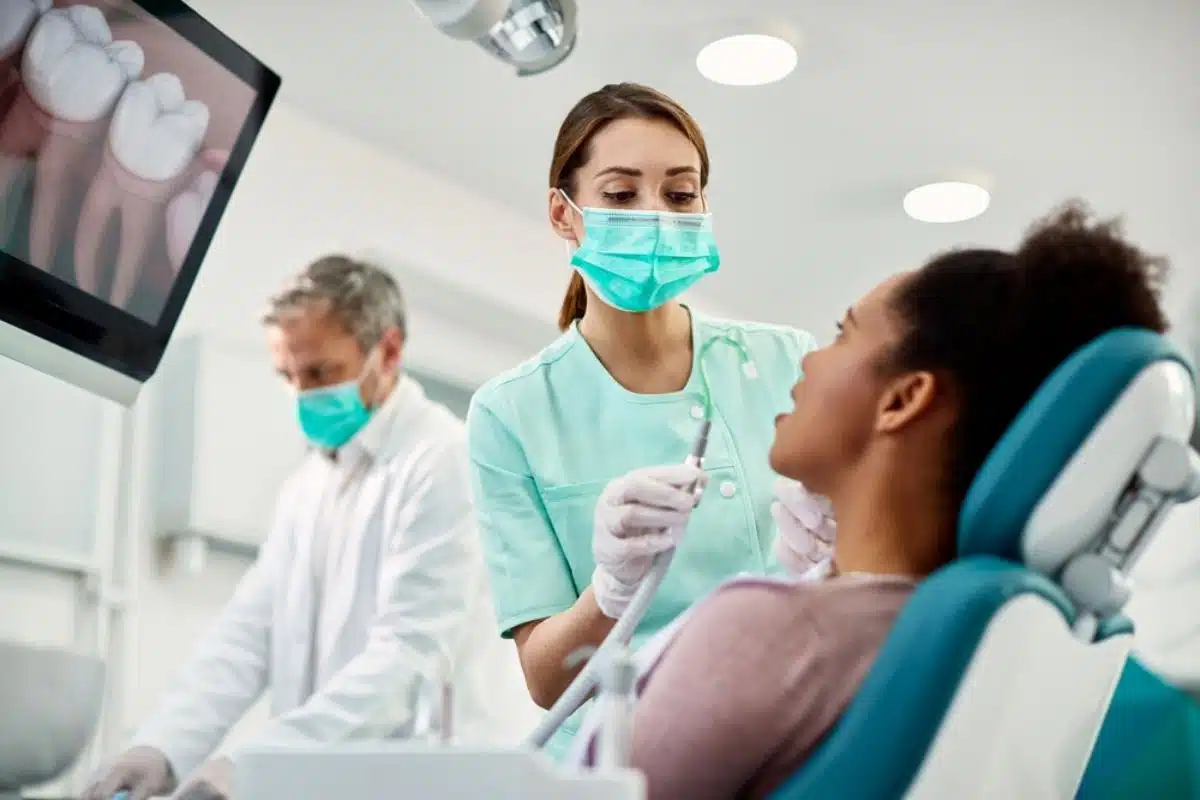
You maintain a consistent oral hygiene routine—brushing twice daily, flossing most evenings, and using mouthwash regularly. So why are you still getting cavities?
If you’re frustrated because your oral hygiene seems solid but your dental checkups keep ending with “You’ve got a cavity,” you’re not alone. As a trusted dentist in Syracuse, we hear this all the time from patients who feel like they’re doing everything right.
Let’s break down what might actually be happening—and what your Syracuse dentist really wants you to know.
1. Cavities Aren’t Just About Brushing
Brushing and flossing are your first line of defense, but they’re only part of the bigger picture. Tooth decay happens when harmful bacteria in your mouth feed on sugars and starches left behind from what you eat and drink. These bacteria produce acids that wear down your enamel and eventually cause cavities.
Here’s where it gets tricky: brushing can’t remove every bit of sugar or bacteria—especially if you’re missing key areas or brushing at the wrong times.
Pro Tip: Avoid brushing right after drinking acidic beverages like soda, coffee, or wine. The acid softens your enamel, and brushing immediately can actually damage it more.
2. Your Diet Could Be Sneaky
Even if you’re brushing like a pro, your diet could be quietly sabotaging your teeth. Many “healthy” foods—think granola bars, dried fruits, fruit juices—are packed with sugars or stick to your teeth long after eating.
The American Dental Association (ADA) recommends cutting back on added sugars and choosing snacks that help clean your teeth, like cheese, celery, or nuts. Learn more here.
And don’t forget about drinks. A single can of soda contains about 39 grams of sugar. That’s nearly 10 teaspoons. If you’re sipping sugary or acidic drinks all day long, your teeth are under constant attack.
3. You May Be Missing Hidden Trouble Spots
Most cavities form in the tiny nooks and crannies of your back molars, just under the gumline, or between teeth—areas that are tough to clean thoroughly. Even with daily flossing, it’s easy to miss plaque that builds up over time.
If you’re not using the right technique, you’re not really cleaning those areas. Your dentist in Syracuse can help show you the best ways to floss and brush for your unique mouth and dental structure.
4. Genetics Play a Role (Yep, Thanks Mom and Dad)
Some people are just more prone to cavities. Genetics can influence your saliva production, enamel strength, and even the shape of your teeth—all of which affect how likely you are to get cavities.
If this sounds like you, regular checkups and preventive care from a Syracuse dentist are key. You might benefit from treatments like fluoride varnishes or sealants to add an extra layer of protection.
5. Dry Mouth Can Speed Things Up
Saliva is your mouth’s natural defense system. It helps wash away food, neutralize acids, and prevent bacterial buildup. But if you have a dry mouth—caused by medications, aging, or health conditions—you’re at a higher risk of decay.
This is especially important if you wear dentures or have dental implants, since dry mouth can also impact how those restorations hold up over time. Your dentist may recommend hydrating strategies, sugar-free gum, or prescription rinses to help.
6. Are You Skipping Dental Visits?
Even with great home care, regular visits to your Syracuse dentist are essential. Only professional cleanings can remove hardened plaque (tartar), and only your dentist can spot early signs of decay before they turn into full-blown cavities.
And if you’re noticing issues like sensitivity or dark spots between visits, it’s best not to wait. Addressing problems early can often mean avoiding more invasive (and expensive) treatments down the road—like dental implants if a tooth can’t be saved.
Read Now: What to Expect During the First 24 Hours After Dental Implant Surgery
Bottom Line: Don’t Blame Yourself—But Do Take Action
Getting cavities despite brushing and flossing can be frustrating, but you’re not alone—and you’re not doing everything wrong. Oral health is influenced by a mix of habits, diet, biology, and sometimes, just bad luck.
The good news? You have options. A skilled dentist in Syracuse can work with you to get to the root of the problem and personalize your care plan. That might mean diet tweaks, sealants, more frequent cleanings, or specialized tools to level up your at-home routine.
Schedule an Appointment
Still getting cavities and not sure why? Let’s figure it out together. Contact your trusted Syracuse dentist today and take the next step toward a healthier smile.