

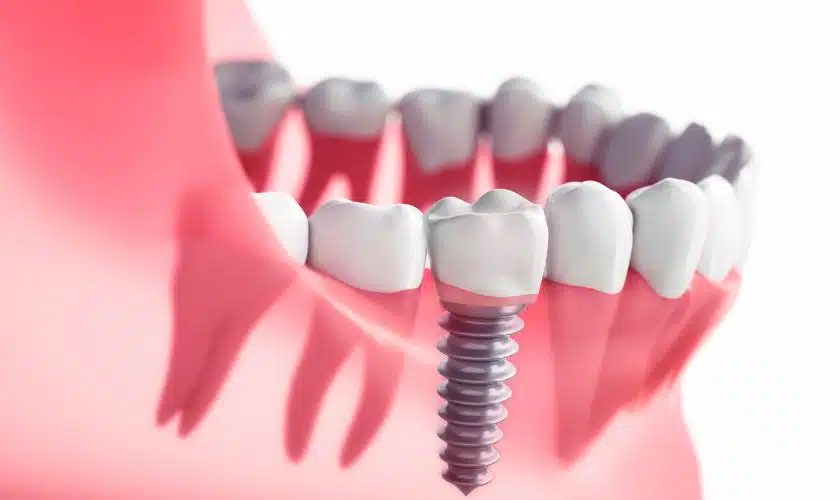
Dental implants have revolutionized the field of dentistry, offering a durable and natural-looking solution for replacing missing teeth. While they are commonly used to replace single missing teeth, many people wonder if dental implants can effectively replace multiple missing teeth as well. Let’s delve into this question to understand the capabilities and limitations of dental implants in replacing multiple teeth.
Understanding Dental Implants
Before delving into the feasibility of replacing multiple teeth with dental implants, it’s essential to understand what dental implants are and how they work. Dental implants are artificial tooth roots made of titanium that are surgically placed into the jawbone. These implants serve as a sturdy foundation for replacement teeth, such as crowns, bridges, or dentures.
Replacing Multiple Teeth With Dental Implants
One of the most significant advantages of dental implants is their versatility. While they are commonly used to replace single missing teeth, they can also be used to replace multiple teeth. Several options are available for replacing multiple missing teeth with dental implants, including:
1. Implant-Supported Bridges:
Implant-supported bridges are an excellent option for replacing multiple missing teeth in a row. In this procedure, dental implants are strategically placed into the jawbone, with each implant supporting a dental bridge. The bridge consists of multiple artificial teeth fused, effectively filling in the gap left by the missing teeth. This solution offers excellent stability and functionality, mimicking the look and feel of natural teeth.
2. Implant-Supported Dentures:
Implant-supported dentures are another option for replacing multiple missing teeth, particularly when a significant number of teeth are missing in an arch. In this approach, a custom denture is anchored to dental implants placed in the jawbone. The implants provide secure support for the denture, preventing it from slipping or shifting while eating or speaking. Implant-supported dentures offer improved stability and comfort compared to traditional removable dentures.
3. All-on-4/All-on-6 Implants:
The All-on-4 or All-on-6 implant technique is a revolutionary approach for replacing an entire arch of missing teeth. In this procedure, a fixed full-arch prosthesis is supported by four or six dental implants strategically placed in the jawbone. This innovative solution provides a permanent and lifelike replacement for multiple missing teeth, restoring both function and aesthetics. All-on-4/All-on-6 implants offer a faster treatment timeline and reduced need for bone grafting compared to traditional implant-supported dentures.
Benefits of Replacing Multiple Teeth with Dental Implants
Opting for dental implants to replace multiple missing teeth offers several significant benefits:
1. Natural Appearance: Dental implants closely resemble natural teeth, providing a seamless and natural-looking smile.
2. Enhanced Stability: Implant-supported restorations offer superior stability and function compared to traditional removable dentures.
3. Preservation of Jawbone: Dental implants stimulate the jawbone, preventing bone loss and preserving facial structure over time.
4. Long-Term Solution: With proper care, dental implants can last a lifetime, making them a durable and cost-effective solution for tooth replacement.
5. Improved Oral Health: Dental implants support overall oral health by preventing neighboring teeth from shifting into the gap left by missing teeth and reducing the risk of gum disease and other oral health issues.
Considerations for Multiple Teeth Replacement with Dental Implants
While dental implants offer an excellent solution for replacing multiple missing teeth, certain factors must be considered:
1. Bone Volume and Density: Sufficient bone volume and density are crucial for successful dental implant placement. In cases of severe bone loss, bone grafting may be required to augment the jawbone before implant placement.
2. Overall Health: Good overall health is essential for successful dental implant treatment. Conditions such as uncontrolled diabetes, autoimmune diseases, and smoking can compromise the healing process and increase the risk of implant failure.
3. Treatment Cost: While dental implants offer long-term benefits, they may require a higher initial investment compared to traditional tooth replacement options. However, many patients find the long-term benefits of dental implants outweigh the upfront cost.
In conclusion, dental implants are a highly effective solution for replacing multiple missing teeth. Whether through implant-supported bridges, implant-supported dentures, or the All-on-4/All-on-6 implant technique, dental implants offer a durable, natural-looking, and long-lasting solution for restoring function and aesthetics to the smile. By understanding the various options available and considering factors such as bone health, overall health, and treatment cost, individuals can make informed decisions about whether dental implants are the right choice for replacing their missing teeth.