
• /

Common Dental Problems and Their Causes: From Cavities to Gum Disease

April 7, 2026
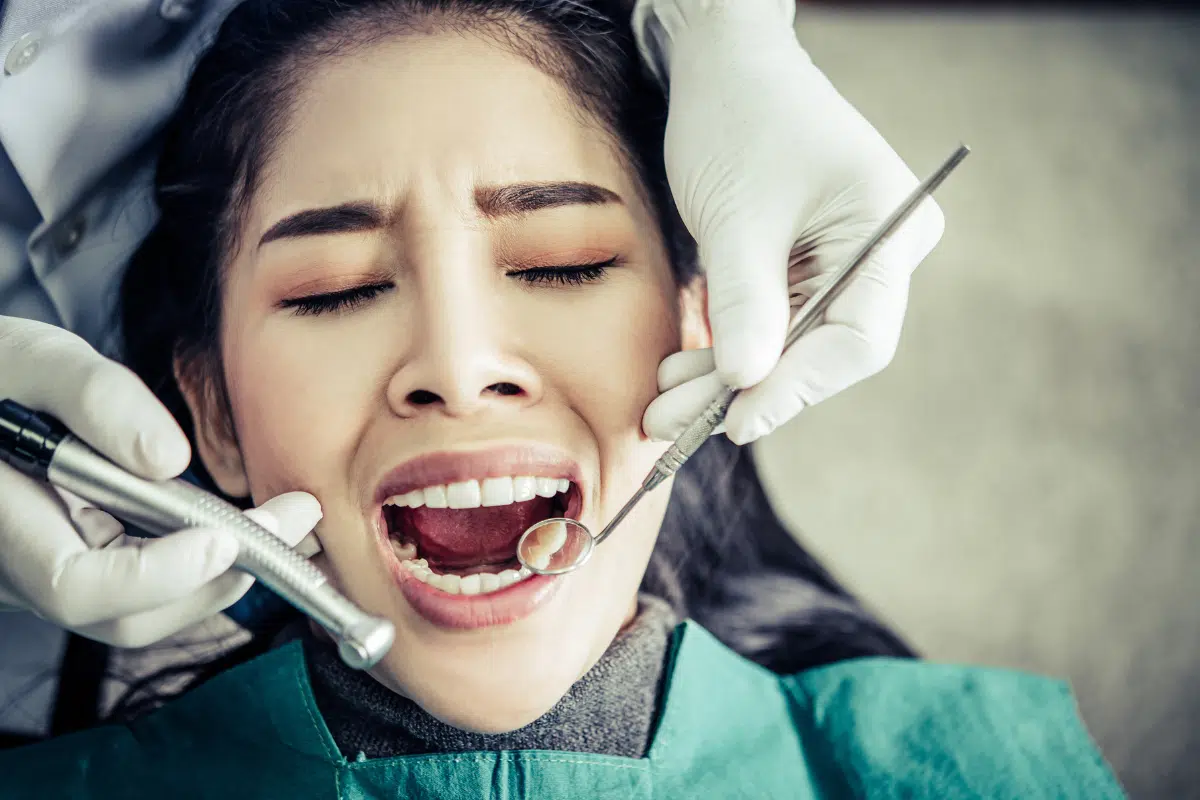
Featured image for “Common Dental Problems and Their Causes: From Cavities to Gum Disease”

Most dental problems don’t appear overnight. They build up slowly, and catching them early makes all the difference.

Tooth pain, bleeding gums, or a cracked tooth can disrupt your whole day. These issues are more common than most people think, yet many go untreated simply because the early signs are easy to ignore. Whether you’ve been dealing with tooth sensitivity for months or you just noticed something feels off, understanding what’s happening inside your mouth is the first step toward fixing it.

At Downtown Dental Syracuse, we see patients with all kinds of dental concerns. Some come in with a simple cavity, others with more serious gum problems they’ve had for years. The good news is that most of these conditions are very treatable, especially when caught early. If you’ve been searching for a dentist in Syracuse NY, this guide will help you understand what to watch for and when to act.

What Causes Most Dental Problems

The mouth is full of bacteria. Most of it is harmless, but when it builds up on teeth and gums, it forms plaque. Plaque is the main cause of nearly every common dental issue. If it’s not removed through brushing and flossing, it hardens into tartar, which only a dentist can remove.

Other contributing factors include diet, dry mouth, smoking, certain medications, and genetics. Some people are naturally more prone to cavities or gum disease. That’s why regular checkups matter, even if you brush twice a day.

Cavities: The Most Common Dental Issue

Cavities, also called tooth decay, happen when plaque bacteria break down sugar and release acids that eat through tooth enamel. Over time, a small soft spot forms in the tooth, and if left alone, it grows deeper into the tooth structure.

Early Signs of a Cavity

In the very early stages, a cavity has no symptoms at all. That’s what makes regular checkups so important. As decay progresses, you may notice tooth sensitivity to hot, cold, or sweet foods. A visible hole or dark spot on a tooth, or pain when biting, can also be signs.

How Cavities Are Treated

The standard treatment is a filling. A dentist removes the decayed part of the tooth and fills the space with a safe material. When decay reaches the inner pulp of the tooth, a root canal may be needed. Crowns are used when the damage is more widespread.

Cavities are almost entirely preventable. Fluoride toothpaste, limiting sugary snacks, and regular cleanings go a long way. Getting your teeth checked twice a year by a dentist in Syracuse NY gives you the best chance of catching them early.

Gum Disease: From Mild Inflammation to Serious Infection

Gum disease starts as gingivitis, which is inflammation of the gums. At this stage, gums may look red, feel puffy, or bleed when you brush. Gingivitis is reversible with proper cleaning and professional care.

If gingivitis is not treated, it progresses to periodontitis. At this stage, the infection spreads below the gum line, breaking down the bone and tissue that hold your teeth in place. Periodontitis is the leading cause of tooth loss in adults.

Warning Signs to Watch For

Bleeding gums during brushing, persistent bad breath, gums that pull away from teeth, loose teeth, or changes in your bite are all warning signs. Many people don’t feel pain in the early stages, which is why the problem often goes unnoticed for a long time.

Treatment Options

Early gum disease is treated with a deep cleaning called scaling and root planing. More advanced cases may require medication or a surgical procedure. Prevention is straightforward: brush, floss, and see your dentist regularly.

Tooth Sensitivity

Sensitive teeth are one of the most common complaints dentists hear. That sharp pain when you drink something cold or bite into something sweet is usually a sign that the enamel has worn down, a root is exposed, or there’s a small crack somewhere in the tooth.

Common causes include brushing too hard, acid erosion from diet or acid reflux, gum recession, old or cracked fillings, and teeth grinding. Treatment depends on the cause. It can be as simple as switching to a sensitivity toothpaste or as involved as a root canal if the nerve is affected.

Cracked and Broken Teeth

Teeth can crack from biting hard food, grinding at night, or an injury. Some cracks are invisible to the naked eye but cause significant pain. Others are visible but painless. The problem with cracks is that they can spread if left alone, eventually splitting a tooth in two.

Treatment depends on severity. A small crack may only need bonding or a crown. A deep crack that reaches the root may require an extraction. Grinding is a common culprit in both cracked teeth and jaw pain. A custom night guard from a dental office can help protect your teeth during sleep.

Syracuse winters can be tough on teeth. Cold temperatures cause slight expansion and contraction in tooth enamel, and people who grind their teeth at night often see more cracking during colder months. If you notice new sensitivity or a crack, finding a dentist near me quickly can prevent the damage from getting worse.

Bad Breath That Won’t Go Away

Occasional bad breath after a meal is normal. Persistent bad breath, called halitosis, is usually a sign of a dental issue. Bacteria on the tongue, between teeth, or under the gums produce sulfur compounds that cause an unpleasant smell.

Gum disease, cavities, dry mouth, and poorly fitting dental appliances are all common causes. Treating the underlying problem fixes the breath. Mouthwash alone won’t solve it.

How Oral Health Connects to Your Overall Health

Dental health is linked to your general health in ways that might surprise you. Gum disease has been associated with heart disease, diabetes complications, and premature births. Bacteria from the mouth can enter the bloodstream and affect other parts of the body.

People in Central New York who manage conditions like diabetes or heart disease should be especially consistent about dental checkups. Inflammation in the gums can make blood sugar harder to control. Keeping your mouth healthy supports your whole body.

If you’ve been putting off a visit, searching for a dentist near me is a simple first step that can protect far more than just your teeth.

When to See a Dentist Right Away

Some symptoms can wait for a routine appointment. Others need prompt attention. Go in as soon as possible if you experience any of the following: a toothache that lasts more than a day or two, swelling in the jaw or face, a tooth that has been knocked loose, a broken tooth with sharp edges, or bleeding gums that don’t stop.

Ignoring these signs usually leads to more pain and more complex treatment. Early action saves both time and money.

Taking the Right Steps for a Healthier Smile

Dental problems rarely fix themselves. A small cavity becomes a big one. Bleeding gums turn into bone loss. But nearly every issue covered in this article responds well to treatment when caught early.

Brushing twice a day, flossing daily, eating a balanced diet, and keeping your regular dental appointments will handle most of your dental protection. For residents across the Syracuse area, consistent care close to home makes staying on track much easier. If you’ve been searching for an experienced dentist in Syracuse NY, our team at Downtown Dental Syracuse is here to help with everything from routine checkups to more advanced care.

Schedule a consultation with Downtown Dental Syracuse to get a full picture of your oral health. Whether you have a specific concern or just want a cleaning and exam, we are ready to help you feel confident about your smile. You can also contact our Downtown Dental Syracuse office directly if you have questions about what to expect at your first visit. We welcome new patients from across the Syracuse and Central New York area.

Frequently Asked Questions

1. How often should I get a dental checkup? 

Most adults benefit from a checkup and cleaning every six months. People with a history of gum disease or frequent cavities may need to come in more often. Your dentist will recommend the right schedule based on your personal oral health history.

2. Can gum disease be reversed completely? 

Gingivitis, the earliest stage of gum disease, is fully reversible with proper brushing, flossing, and a professional cleaning. Periodontitis, the more advanced form, can be managed and stopped from progressing, but bone and tissue already lost cannot be fully restored. Early treatment gives the best outcomes.

3. Why do my teeth hurt when I drink something cold? 

Cold sensitivity usually means the enamel has worn thin or a root surface is exposed. It can also signal a small crack, a cavity near the nerve, or early gum recession. A dental exam can pinpoint the exact cause. Sensitivity toothpaste helps in mild cases, but the underlying problem should still be evaluated.

4. Is it normal for gums to bleed when I brush? 

Occasional bleeding from brushing too hard can happen, but regular bleeding is not normal. It usually indicates early gum disease. Starting with better flossing habits often helps, but a dentist should evaluate your gums to rule out deeper issues and check for tartar buildup below the gum line.

5. How can I tell if I have a cavity without seeing a dentist? 

Early cavities typically have no symptoms at all. As they grow, you may feel sensitivity, notice a visible dark spot, or feel mild pain when biting or eating sweets. Because cavities are often invisible and symptom-free at first, the only reliable way to catch them early is with an X-ray and a professional exam.

6. What are the main causes of bad breath? 

Persistent bad breath is most often caused by bacteria in the mouth, particularly on the tongue and between teeth. Gum disease, cavities, dry mouth, and certain medications can also play a role. Treating the dental issue directly is more effective than relying on mouthwash or breath mints alone.

7. What is teeth grinding and how can it be treated? 

Teeth grinding, called bruxism, often happens during sleep. Over time it wears down enamel, causes jaw pain, and can crack teeth. A custom night guard worn during sleep protects teeth from the force of grinding. Stress reduction and bite adjustments may also be part of the treatment depending on severity.

8. At what age should children first see a dentist? 

Children should have their first dental visit by their first birthday or within six months after the first tooth appears. Early visits help the child get comfortable with dental care, allow the dentist to spot any early problems, and give parents guidance on proper brushing, diet, and fluoride use.


Share:
  • /
April 7, 2026

Most dental problems don’t appear overnight. They build up slowly, and catching them early makes all the difference.

Tooth pain, bleeding gums, or a cracked tooth can disrupt your whole day. These issues are more common than most people think, yet many go untreated simply because the early signs are easy to ignore. Whether you’ve been dealing with tooth sensitivity for months or you just noticed something feels off, understanding what’s happening inside your mouth is the first step toward fixing it.

At Downtown Dental Syracuse, we see patients with all kinds of dental concerns. Some come in with a simple cavity, others with more serious gum problems they’ve had for years. The good news is that most of these conditions are very treatable, especially when caught early. If you’ve been searching for a dentist in Syracuse NY, this guide will help you understand what to watch for and when to act.

What Causes Most Dental Problems

The mouth is full of bacteria. Most of it is harmless, but when it builds up on teeth and gums, it forms plaque. Plaque is the main cause of nearly every common dental issue. If it’s not removed through brushing and flossing, it hardens into tartar, which only a dentist can remove.

Other contributing factors include diet, dry mouth, smoking, certain medications, and genetics. Some people are naturally more prone to cavities or gum disease. That’s why regular checkups matter, even if you brush twice a day.

Cavities: The Most Common Dental Issue

Cavities, also called tooth decay, happen when plaque bacteria break down sugar and release acids that eat through tooth enamel. Over time, a small soft spot forms in the tooth, and if left alone, it grows deeper into the tooth structure.

Early Signs of a Cavity

In the very early stages, a cavity has no symptoms at all. That’s what makes regular checkups so important. As decay progresses, you may notice tooth sensitivity to hot, cold, or sweet foods. A visible hole or dark spot on a tooth, or pain when biting, can also be signs.

How Cavities Are Treated

The standard treatment is a filling. A dentist removes the decayed part of the tooth and fills the space with a safe material. When decay reaches the inner pulp of the tooth, a root canal may be needed. Crowns are used when the damage is more widespread.

Cavities are almost entirely preventable. Fluoride toothpaste, limiting sugary snacks, and regular cleanings go a long way. Getting your teeth checked twice a year by a dentist in Syracuse NY gives you the best chance of catching them early.

Gum Disease: From Mild Inflammation to Serious Infection

Gum disease starts as gingivitis, which is inflammation of the gums. At this stage, gums may look red, feel puffy, or bleed when you brush. Gingivitis is reversible with proper cleaning and professional care.

If gingivitis is not treated, it progresses to periodontitis. At this stage, the infection spreads below the gum line, breaking down the bone and tissue that hold your teeth in place. Periodontitis is the leading cause of tooth loss in adults.

Warning Signs to Watch For

Bleeding gums during brushing, persistent bad breath, gums that pull away from teeth, loose teeth, or changes in your bite are all warning signs. Many people don’t feel pain in the early stages, which is why the problem often goes unnoticed for a long time.

Treatment Options

Early gum disease is treated with a deep cleaning called scaling and root planing. More advanced cases may require medication or a surgical procedure. Prevention is straightforward: brush, floss, and see your dentist regularly.

Tooth Sensitivity

Sensitive teeth are one of the most common complaints dentists hear. That sharp pain when you drink something cold or bite into something sweet is usually a sign that the enamel has worn down, a root is exposed, or there’s a small crack somewhere in the tooth.

Common causes include brushing too hard, acid erosion from diet or acid reflux, gum recession, old or cracked fillings, and teeth grinding. Treatment depends on the cause. It can be as simple as switching to a sensitivity toothpaste or as involved as a root canal if the nerve is affected.

Cracked and Broken Teeth

Teeth can crack from biting hard food, grinding at night, or an injury. Some cracks are invisible to the naked eye but cause significant pain. Others are visible but painless. The problem with cracks is that they can spread if left alone, eventually splitting a tooth in two.

Treatment depends on severity. A small crack may only need bonding or a crown. A deep crack that reaches the root may require an extraction. Grinding is a common culprit in both cracked teeth and jaw pain. A custom night guard from a dental office can help protect your teeth during sleep.

Syracuse winters can be tough on teeth. Cold temperatures cause slight expansion and contraction in tooth enamel, and people who grind their teeth at night often see more cracking during colder months. If you notice new sensitivity or a crack, finding a dentist near me quickly can prevent the damage from getting worse.

Bad Breath That Won’t Go Away

Occasional bad breath after a meal is normal. Persistent bad breath, called halitosis, is usually a sign of a dental issue. Bacteria on the tongue, between teeth, or under the gums produce sulfur compounds that cause an unpleasant smell.

Gum disease, cavities, dry mouth, and poorly fitting dental appliances are all common causes. Treating the underlying problem fixes the breath. Mouthwash alone won’t solve it.

How Oral Health Connects to Your Overall Health

Dental health is linked to your general health in ways that might surprise you. Gum disease has been associated with heart disease, diabetes complications, and premature births. Bacteria from the mouth can enter the bloodstream and affect other parts of the body.

People in Central New York who manage conditions like diabetes or heart disease should be especially consistent about dental checkups. Inflammation in the gums can make blood sugar harder to control. Keeping your mouth healthy supports your whole body.

If you’ve been putting off a visit, searching for a dentist near me is a simple first step that can protect far more than just your teeth.

When to See a Dentist Right Away

Some symptoms can wait for a routine appointment. Others need prompt attention. Go in as soon as possible if you experience any of the following: a toothache that lasts more than a day or two, swelling in the jaw or face, a tooth that has been knocked loose, a broken tooth with sharp edges, or bleeding gums that don’t stop.

Ignoring these signs usually leads to more pain and more complex treatment. Early action saves both time and money.

Taking the Right Steps for a Healthier Smile

Dental problems rarely fix themselves. A small cavity becomes a big one. Bleeding gums turn into bone loss. But nearly every issue covered in this article responds well to treatment when caught early.

Brushing twice a day, flossing daily, eating a balanced diet, and keeping your regular dental appointments will handle most of your dental protection. For residents across the Syracuse area, consistent care close to home makes staying on track much easier. If you’ve been searching for an experienced dentist in Syracuse NY, our team at Downtown Dental Syracuse is here to help with everything from routine checkups to more advanced care.

Schedule a consultation with Downtown Dental Syracuse to get a full picture of your oral health. Whether you have a specific concern or just want a cleaning and exam, we are ready to help you feel confident about your smile. You can also contact our Downtown Dental Syracuse office directly if you have questions about what to expect at your first visit. We welcome new patients from across the Syracuse and Central New York area.

Frequently Asked Questions

1. How often should I get a dental checkup? 

Most adults benefit from a checkup and cleaning every six months. People with a history of gum disease or frequent cavities may need to come in more often. Your dentist will recommend the right schedule based on your personal oral health history.

2. Can gum disease be reversed completely? 

Gingivitis, the earliest stage of gum disease, is fully reversible with proper brushing, flossing, and a professional cleaning. Periodontitis, the more advanced form, can be managed and stopped from progressing, but bone and tissue already lost cannot be fully restored. Early treatment gives the best outcomes.

3. Why do my teeth hurt when I drink something cold? 

Cold sensitivity usually means the enamel has worn thin or a root surface is exposed. It can also signal a small crack, a cavity near the nerve, or early gum recession. A dental exam can pinpoint the exact cause. Sensitivity toothpaste helps in mild cases, but the underlying problem should still be evaluated.

4. Is it normal for gums to bleed when I brush? 

Occasional bleeding from brushing too hard can happen, but regular bleeding is not normal. It usually indicates early gum disease. Starting with better flossing habits often helps, but a dentist should evaluate your gums to rule out deeper issues and check for tartar buildup below the gum line.

5. How can I tell if I have a cavity without seeing a dentist? 

Early cavities typically have no symptoms at all. As they grow, you may feel sensitivity, notice a visible dark spot, or feel mild pain when biting or eating sweets. Because cavities are often invisible and symptom-free at first, the only reliable way to catch them early is with an X-ray and a professional exam.

6. What are the main causes of bad breath? 

Persistent bad breath is most often caused by bacteria in the mouth, particularly on the tongue and between teeth. Gum disease, cavities, dry mouth, and certain medications can also play a role. Treating the dental issue directly is more effective than relying on mouthwash or breath mints alone.

7. What is teeth grinding and how can it be treated? 

Teeth grinding, called bruxism, often happens during sleep. Over time it wears down enamel, causes jaw pain, and can crack teeth. A custom night guard worn during sleep protects teeth from the force of grinding. Stress reduction and bite adjustments may also be part of the treatment depending on severity.

8. At what age should children first see a dentist? 

Children should have their first dental visit by their first birthday or within six months after the first tooth appears. Early visits help the child get comfortable with dental care, allow the dentist to spot any early problems, and give parents guidance on proper brushing, diet, and fluoride use.


Share: