315-422-0894


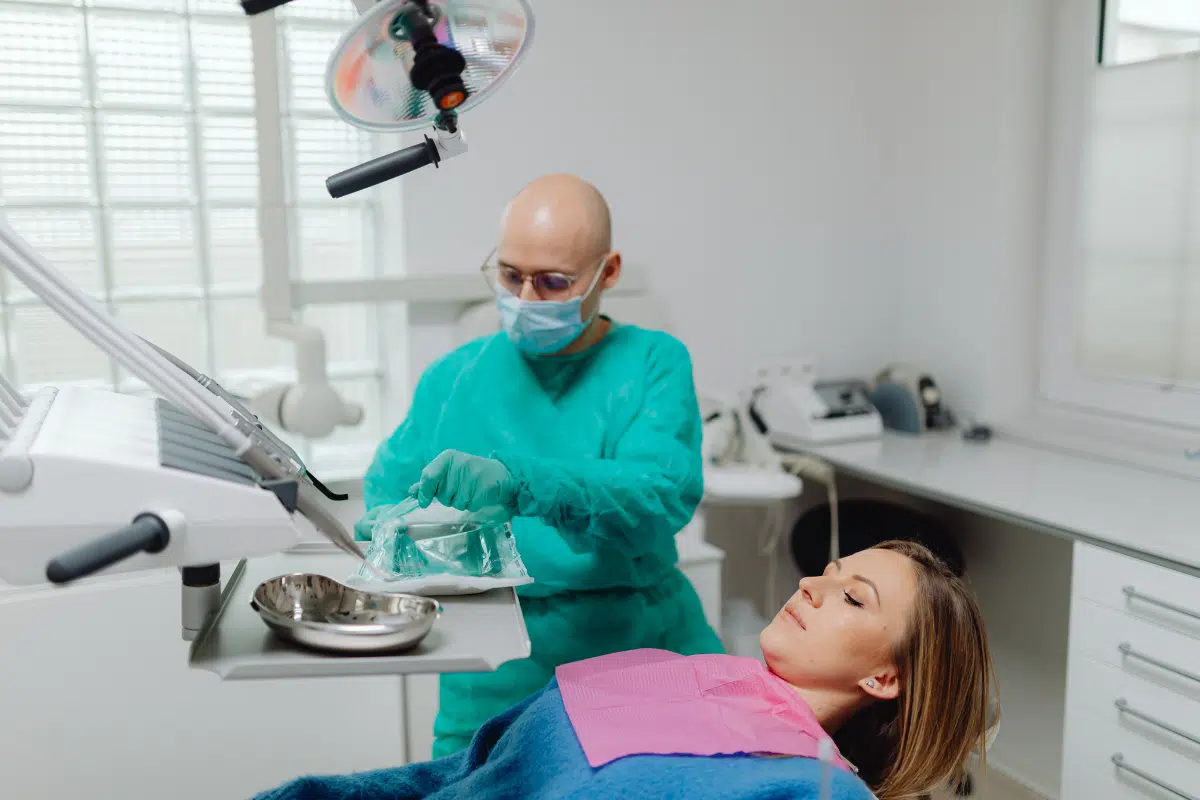
A crooked smile or a bad bite is more common than most people think. In fact, millions of Americans deal with some form of orthodontic issue, and many do not even realize it until a dental visit. Whether it is crowded teeth, gaps, or an overbite, these problems are very treatable today. At DownTown Dental Syracuse, our doctors work with patients every day to correct these issues using both traditional and modern methods, including Invisalign Syracuse.
This guide walks you through the most common orthodontic problems, what causes them, and what can be done to fix them clearly and simply.
What Is Orthodontic Treatment?
Orthodontics is the branch of dentistry focused on correcting misaligned teeth and jaws. When teeth do not fit together properly, it can affect how you speak, chew, and care for your oral health. It can also affect your confidence. Orthodontic treatment uses different tools, such as braces or clear aligners, to gradually move teeth into better positions over time.
Orthodontic problems are not just about looks. Misaligned teeth are harder to clean, which raises the risk of cavities, gum disease, and jaw pain over time.
Most Common Orthodontic Problems
Here are the issues that dentists and orthodontists see most often:
Crowded Teeth
Not enough space in the jaw causes teeth to overlap or twist. This makes brushing and flossing harder and raises the risk of tooth decay.
Overbite
The upper front teeth overlap too far over the lower teeth. A mild overbite is normal, but a deep one can cause wear on the teeth and jaw pain.
Underbite
The lower teeth sit in front of the upper teeth when the mouth is closed. This can affect chewing and speech and may put strain on the jaw joints.
Crossbite
Some upper teeth sit inside the lower teeth rather than outside. This can lead to uneven wear and shifting of the jaw over time.
Open Bite
The front teeth do not meet when the mouth is closed, leaving a gap. This can make biting into food difficult and affect speech.
Gapped Teeth
Extra space between teeth can trap food and lead to gum problems. Gaps often form when teeth are missing or the jaw is larger than the teeth.
How Are These Problems Fixed?
The right treatment depends on the type and severity of the problem. Your dentist will review your teeth, take X-rays, and discuss what fits your situation. Here is a look at the main options available today.
Traditional Braces
Metal brackets and wires are still one of the most reliable ways to correct complex issues. They work well for crowding, underbites, crossbites, and open bites, especially in younger patients whose jaws are still developing. Modern braces are smaller and less noticeable than older versions.
Clear Aligners (Invisalign)
For patients who want a more discreet option, Invisalign Syracuse is a popular and effective choice. Instead of metal wires, Invisalign uses a series of custom-made, clear plastic trays that fit over your teeth. You switch to a new tray every one to two weeks, and your teeth gradually move into the right position.
Invisalign works well for mild to moderate cases of crowding, spacing, overbite, crossbite, and open bite. It is removable, so eating and brushing are not affected the way they can be with traditional braces. Many adult patients in the area prefer this option for that reason.
Invisalign trays are worn 20 to 22 hours a day for the best results. The total treatment time typically ranges from 6 to 18 months, depending on the case.
Retainers
After any orthodontic treatment, retainers help keep teeth in their new positions. Skipping retainer use is one of the most common reasons teeth shift back after treatment ends.
Invisalign works well for teens and adults with mild to moderate orthodontic issues. It is a strong choice if you want treatment that fits into a professional lifestyle without drawing attention to your smile during the process. Patients who are responsible about wearing their trays consistently get the best results.
More complex cases, such as severe underbites or large skeletal issues, may still need traditional braces or a combination of approaches. A consultation is the only way to know for certain what works for your situation. If you have been searching for a trusted dentist near me to discuss your options, DownTown Dental Syracuse offers both traditional orthodontics and Invisalign under one roof.
Also Read: 4 Surprising Facts About Orthodontics And Teeth You Should Know
Invisalign vs. Traditional Braces: A Quick Comparison
| Feature | Invisalign | Traditional Braces |
|---|---|---|
| Appearance | Nearly invisible clear aligners | Visible metal brackets and wires |
| Comfort | Smooth plastic, less irritation | Can cause discomfort due to wires and brackets |
| Removability | Removable for eating, brushing, flossing | Fixed to teeth until treatment is complete |
| Oral Hygiene | Easier to maintain normal brushing and flossing | Requires extra care around brackets and wires |
| Diet Restrictions | No major restrictions (remove before eating) | Avoid sticky, hard, and chewy foods |
| Treatment Time | Typically 6–18 months (case-dependent) | Usually 18–24 months or more |
| Effectiveness | Best for mild to moderate alignment issues | Suitable for mild, moderate, and complex cases |
| Follow-up Visits | Fewer dental visits required | Regular adjustments needed |
| Cost | Comparable or slightly higher | Often more affordable |
| Speech Impact | Temporary slight lisp possible | Minimal speech impact |
| Emergency Issues | Rare (no wires to break) | Possible wire breakage or bracket issues |
| Discipline Required | Must wear 20–22 hours daily for results | No user compliance required |
Meet the Doctors
Our orthodontic and general dental care is led by two experienced professionals who have been serving the Syracuse community for decades.
Dr. Chris Zimmerman, DMD
General & Orthodontic Dentistry
A graduate of LeMoyne College and the University of Pennsylvania School of Dental Medicine, Dr. Zimmerman has been in private practice since 1993. He holds memberships with the American Dental Association, the New York State Dental Association, and the Onondaga County Dental Society. He has over 10 years of additional experience working with geriatric and traumatic brain injury patients.
Dr. Tyler Mead, DDS
General & Orthodontic Dentistry
Dr. Mead earned his B.S. in Biology from LeMoyne College, where he was named to the Beta Beta Beta National Biological Honor Society. He went on to complete his D.D.S. at the University of Buffalo School of Dental Medicine, with a minor in Oral Diagnostic Sciences. He is known for his gentle approach and clear communication with patients of all ages.
Why Treating These Problems Matters
Orthodontic problems do not always cause pain right away, but leaving them untreated can lead to bigger issues later. Crooked or crowded teeth are harder to clean properly, which raises the risk of cavities and gum disease. A misaligned bite can cause uneven tooth wear, jaw soreness, and headaches over time. Treating these issues early is almost always easier and less costly than treating the damage they cause later.
For many patients in the area, Invisalign has made it easier to start treatment because it fits naturally into adult life. There are no food restrictions, no wires to adjust, and no brackets to worry about. If you have put off treatment because of how braces look, clear aligner therapy is worth asking about.
What to Expect at Your First Orthodontic Appointment
Your first visit is mostly a conversation and an exam. The dentist will look at your teeth, bite, and jaw alignment. X-rays may be taken to see what is happening below the surface. From there, your dentist will walk you through what they found and what your options are.
There is no pressure to decide anything on the spot. The goal of that first visit is to give you a clear picture of your situation and let you ask questions. DownTown Dental Syracuse has been providing this kind of straightforward, honest care to families in Syracuse, NY for over 65 years from their office at 120 E. Washington St., Suite 101.
Read More:
Conclusion
Orthodontic problems are extremely common, and the good news is that almost all of them can be corrected with the right treatment. Whether you need traditional braces for a complex case or are exploring Invisalign Syracuse for a more flexible option, getting a professional evaluation is the best first step.
If you have been looking for a reliable dentist near me who offers both orthodontic and general dental care, DownTown Dental Syracuse is here to help you. Our doctors bring decades of experience, a warm and honest approach, and a full range of services, all in one convenient downtown location. Ready to find out which treatment is right for you? Schedule a consultation with DownTown Dental Syracuse today and get a clear, no-pressure look at your options. You can also contact our DownTown Dental Syracuse office at (315) 549-2502.
Your smile is worth it.
Common FAQs
1. What is the most common orthodontic problem in adults?
Crowded teeth are the most common issue seen in adult patients. When there is not enough space in the jaw, teeth overlap and twist, making them harder to clean and more prone to decay over time.
2. How long does Invisalign treatment take?
Treatment time varies by case. Mild cases can be complete in as little as 6 months, while moderate cases typically take 12 to 18 months. Wearing your trays for the recommended 20 to 22 hours a day keeps treatment on track.
3. Can Invisalign fix an overbite?
Yes, Invisalign can correct mild to moderate overbites effectively. Severe overbites may still require traditional braces or additional dental work. A proper exam is needed to determine which approach fits your case.
4. At what age should a child have their first orthodontic evaluation?
Most dental professionals recommend a first orthodontic evaluation around age 7. By this point, enough permanent teeth have come in for a dentist to spot potential alignment issues early, even if treatment does not start right away.
5. Is orthodontic treatment covered by dental insurance?
Many dental insurance plans include some level of orthodontic coverage, especially for children. Coverage for adults varies. It is best to check with your provider before starting treatment. Payment plans and membership options may also be available.
6. Do I need a referral to see an orthodontic provider?
No referral is needed. You can contact a dental office directly to request an orthodontic consultation. Many general dental practices, including DownTown Dental Syracuse, offer both general care and orthodontic treatments in one place.
7. What happens if I stop wearing my retainer after treatment?
Teeth naturally tend to shift back toward their original positions after orthodontic treatment. Not wearing your retainer as directed is the most common reason patients see their results change over time. Consistent retainer use protects your investment in treatment.
8. How do I know if I need braces or Invisalign?
The right option depends on the type and complexity of your alignment issue, your lifestyle, and your personal preference. A dental evaluation with X-rays gives your provider the full picture. Both options can produce excellent results when the right case is matched to the right treatment.