
5 Common Pediatric Dental Procedures You Should Know

July 23, 2023
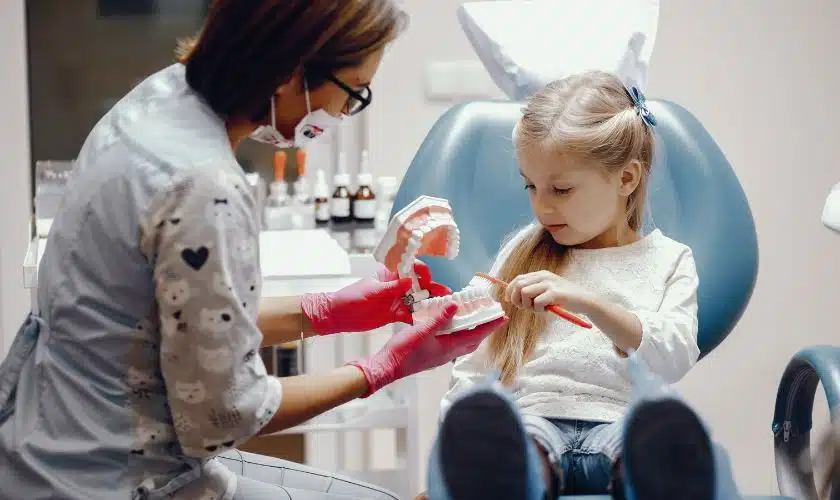
Featured image for “5 Common Pediatric Dental Procedures You Should Know”

Are you a parent who’s concerned about your child’s dental health? You’re not alone! As caring parents, we always want the best for our little ones. And that includes their teeth. Taking care of your child’s teeth from an early age can set them up for a lifetime of good oral hygiene habits. However, sometimes even with proper brushing and flossing, our children may need additional dental procedures to maintain healthy smiles. In this blog post, we’ll discuss some common pediatric dental procedures you should know about as a parent or caregiver. So buckle up and let’s dive in!

Teeth Cleaning

Teeth cleaning is a crucial aspect of maintaining good oral hygiene. It involves the removal of plaque and tartar from the teeth to prevent tooth decay, gum disease, and bad breath. Regular teeth cleaning can also help detect any dental issues early on, saving you from needing more invasive procedures down the line.

During a typical teeth cleaning procedure, your pediatric dentist will use special tools to remove build-up on your child’s teeth. This may include scaling or polishing to get rid of stubborn stains and plaque that regular brushing cannot remove.

Tooth Extraction

Tooth extraction is one of the most common pediatric dental procedures. It involves removing a tooth from its socket in the jawbone. Tooth extraction may be necessary if a baby tooth doesn’t fall out on its own or if an adult tooth is decayed, damaged, or infected.

During the procedure, the dentist will numb the area around the tooth with local anesthesia before extracting it using forceps and elevators. Afterward, gauze will be placed over the extraction site to help control bleeding and promote clotting.

Children who undergo tooth extractions may experience some discomfort afterward, but this can usually be managed with pain medication and ice packs applied to their cheek for 10-20 minutes at a time.

Dental Implants

Dental implants are designed to provide a strong foundation for replacement teeth that look, feel, and function like natural teeth. They are surgically placed into the jawbone where they fuse with the bone over time, creating a sturdy base for an artificial tooth or crown.

The procedure involves the placement of a small titanium post into the jawbone. This post serves as an anchor for the replacement tooth or teeth. The implant is then covered with a temporary cap while it heals and fuses with the bone, which can take anywhere from three to six months.

Once fully integrated, the implant provides exceptional stability for the new tooth or bridge. Patients who have dental implants find that they can eat their favorite foods without discomfort and speak more clearly than they could with dentures.

Dentures and Partial Dentures

Dentures and partial dentures are removable dental appliances used to replace missing teeth. They can be made from a variety of materials such as acrylic resin, porcelain or even metal. Dentures come in full or partial sets depending on how many teeth need to be replaced.

Partial dentures are ideal for those who only have a few missing teeth while complete dentures are necessary for individuals with no remaining natural teeth. Partial dentures attach to adjacent natural teeth using clasps, while complete dentures require the use of adhesives and suction.

Getting used to wearing dentures can take some time and patience, especially when it comes to speaking and eating. Denture wearers may experience slight discomfort at first but eventually get used to them as their mouth adjusts to the new appliance.

Porcelain Veneers

Porcelain veneers are an excellent solution for children with damaged or discolored teeth. These thin shells of porcelain are custom-made to fit over the front surface of a tooth and can help to enhance its shape, color, size, or length.

The procedure for getting porcelain veneers usually involves at least two visits to the dentist. During the first visit, your child’s dentist will take impressions of their teeth and prepare them by removing a small amount of enamel from the surface.

Pediatric dental procedures are important to maintain the oral health of children. Teeth cleaning, tooth extraction, dental implants, dentures and partial dentures, and porcelain veneers are some of the most common procedures that a pediatric dentist may recommend. Each procedure has its own benefits and risks that parents should discuss with their child’s dentist before making any decisions.

It is crucial for parents to teach their children good oral hygiene habits from an early age as prevention is always better than cure. Regular check-ups with a pediatric dentist can also help detect potential problems before they become major issues.

Remember, taking care of your child’s teeth now will not only ensure healthy teeth in childhood but also lay the foundation for good oral health throughout adulthood. So book an appointment with your child’s pediatric dentist today!


Share:
July 23, 2023

Are you a parent who’s concerned about your child’s dental health? You’re not alone! As caring parents, we always want the best for our little ones. And that includes their teeth. Taking care of your child’s teeth from an early age can set them up for a lifetime of good oral hygiene habits. However, sometimes even with proper brushing and flossing, our children may need additional dental procedures to maintain healthy smiles. In this blog post, we’ll discuss some common pediatric dental procedures you should know about as a parent or caregiver. So buckle up and let’s dive in!

Teeth Cleaning

Teeth cleaning is a crucial aspect of maintaining good oral hygiene. It involves the removal of plaque and tartar from the teeth to prevent tooth decay, gum disease, and bad breath. Regular teeth cleaning can also help detect any dental issues early on, saving you from needing more invasive procedures down the line.

During a typical teeth cleaning procedure, your pediatric dentist will use special tools to remove build-up on your child’s teeth. This may include scaling or polishing to get rid of stubborn stains and plaque that regular brushing cannot remove.

Tooth Extraction

Tooth extraction is one of the most common pediatric dental procedures. It involves removing a tooth from its socket in the jawbone. Tooth extraction may be necessary if a baby tooth doesn’t fall out on its own or if an adult tooth is decayed, damaged, or infected.

During the procedure, the dentist will numb the area around the tooth with local anesthesia before extracting it using forceps and elevators. Afterward, gauze will be placed over the extraction site to help control bleeding and promote clotting.

Children who undergo tooth extractions may experience some discomfort afterward, but this can usually be managed with pain medication and ice packs applied to their cheek for 10-20 minutes at a time.

Dental Implants

Dental implants are designed to provide a strong foundation for replacement teeth that look, feel, and function like natural teeth. They are surgically placed into the jawbone where they fuse with the bone over time, creating a sturdy base for an artificial tooth or crown.

The procedure involves the placement of a small titanium post into the jawbone. This post serves as an anchor for the replacement tooth or teeth. The implant is then covered with a temporary cap while it heals and fuses with the bone, which can take anywhere from three to six months.

Once fully integrated, the implant provides exceptional stability for the new tooth or bridge. Patients who have dental implants find that they can eat their favorite foods without discomfort and speak more clearly than they could with dentures.

Dentures and Partial Dentures

Dentures and partial dentures are removable dental appliances used to replace missing teeth. They can be made from a variety of materials such as acrylic resin, porcelain or even metal. Dentures come in full or partial sets depending on how many teeth need to be replaced.

Partial dentures are ideal for those who only have a few missing teeth while complete dentures are necessary for individuals with no remaining natural teeth. Partial dentures attach to adjacent natural teeth using clasps, while complete dentures require the use of adhesives and suction.

Getting used to wearing dentures can take some time and patience, especially when it comes to speaking and eating. Denture wearers may experience slight discomfort at first but eventually get used to them as their mouth adjusts to the new appliance.

Porcelain Veneers

Porcelain veneers are an excellent solution for children with damaged or discolored teeth. These thin shells of porcelain are custom-made to fit over the front surface of a tooth and can help to enhance its shape, color, size, or length.

The procedure for getting porcelain veneers usually involves at least two visits to the dentist. During the first visit, your child’s dentist will take impressions of their teeth and prepare them by removing a small amount of enamel from the surface.

Pediatric dental procedures are important to maintain the oral health of children. Teeth cleaning, tooth extraction, dental implants, dentures and partial dentures, and porcelain veneers are some of the most common procedures that a pediatric dentist may recommend. Each procedure has its own benefits and risks that parents should discuss with their child’s dentist before making any decisions.

It is crucial for parents to teach their children good oral hygiene habits from an early age as prevention is always better than cure. Regular check-ups with a pediatric dentist can also help detect potential problems before they become major issues.

Remember, taking care of your child’s teeth now will not only ensure healthy teeth in childhood but also lay the foundation for good oral health throughout adulthood. So book an appointment with your child’s pediatric dentist today!


Share: