315-422-0894


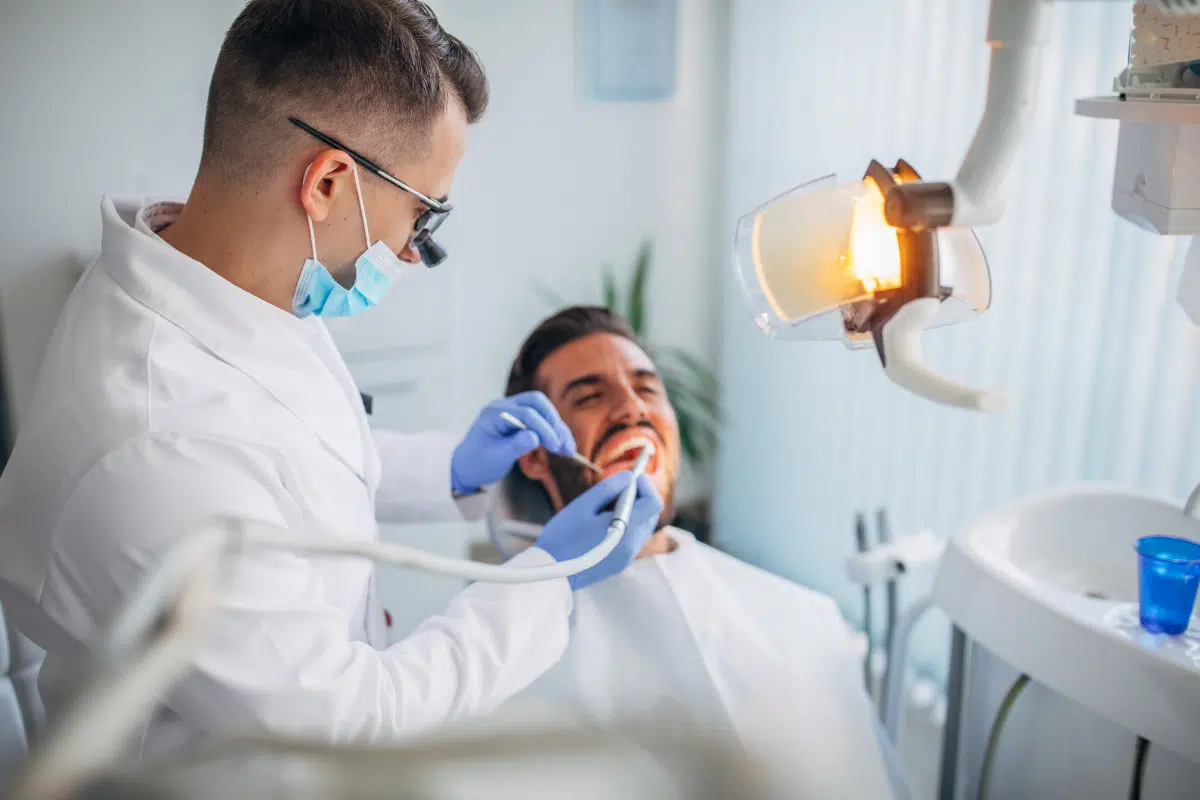
Getting older brings wisdom, experience, and unfortunately, a few more trips to the dentist. Oral health changes significantly as we age, and many seniors find themselves dealing with issues they never faced before. Whether you are managing dry mouth, gum disease, or worn enamel, understanding these changes helps you stay on top of your dental health.
If you live in or around Syracuse, NY, finding a trusted Syracuse dentist who understands senior dental needs can make a real difference in your quality of life.
Why Oral Health Becomes More Complex With Age
The body changes with age, and the mouth is no exception. Teeth and gums that were fine at 40 may start showing signs of wear by 65. Medications, lifestyle habits, and years of use all leave a mark.
Here are the most common reasons seniors experience more dental problems:
- Reduced saliva production from medications
- Thinner, more sensitive gum tissue
- Worn enamel from decades of chewing
- Increased risk of tooth decay and infection
- Difficulty maintaining good brushing habits due to arthritis
None of these are unavoidable. With the right care plan, seniors can maintain strong, healthy teeth well into their later years.
The Most Common Dental Challenges Seniors Face
Dry Mouth
Many seniors take medications for blood pressure, anxiety, or allergies. A common side effect is dry mouth. Saliva plays a big role in protecting teeth from bacteria. Without enough of it, cavities and gum disease develop faster.
Drinking more water, chewing sugar-free gum, and using a humidifier at night can all help. Your dentist may also recommend a special saliva substitute rinse.
Gum Disease
Gum disease is one of the leading causes of tooth loss in seniors. It starts quietly with bleeding gums or a bit of swelling. Left untreated, it affects the bone holding the teeth in place.
Regular cleanings and checkups catch gum disease early. If you have noticed any bleeding when brushing, it is worth getting checked out. Searching for a dentist near me is often the first step many seniors take when they notice these signs.
Tooth Decay and Root Cavities
As gums recede with age, the roots of teeth become exposed. Root surfaces are softer than enamel and decay faster. Many seniors are surprised to find new cavities in areas that never had problems before.
Fluoride treatments and prescription toothpaste can slow this down significantly.
Tooth Loss and Its Effects
Losing teeth affects more than your smile. It changes how you chew, which can impact nutrition. It also affects speech and bone structure over time. Replacing missing teeth with bridges, dentures, or implants keeps your bite balanced and your jawbone healthy.
Worn Enamel
Decades of chewing, grinding, or even drinking acidic beverages wear down enamel. Thin enamel causes sensitivity and makes teeth more prone to cracking. Bonding, crowns, or protective coatings can address this before it gets worse.
Practical Solutions That Actually Work
Stick to a Consistent Routine
Brushing twice a day and flossing once a day remains the foundation of good dental health at any age. Seniors with arthritis often find electric toothbrushes easier to use because they require less hand movement.
Watch What You Eat and Drink
Sugary snacks, sodas, and acidic foods speed up tooth decay. A diet rich in calcium, leafy greens, and water supports both teeth and gums. Staying hydrated also helps counter dry mouth.
Do Not Skip Dental Visits
Many seniors skip dental visits because they feel nothing is wrong. The problem with dental issues is that they rarely hurt until they are already serious. Regular checkups twice a year catch small problems before they become big ones.
As a dentist near me option for seniors across Syracuse and surrounding areas, a local dental provider who knows your history can monitor changes from visit to visit and adjust your care plan as needed.
Ask About Senior-Friendly Treatments
Senior patients sometimes need a different approach. Gentler cleaning techniques, extra time for explanation, and comfortable seating all matter. Ask your provider what accommodations they offer for older adults.
How Local Seniors Are Staying on Top of Their Dental Health
Across Onondaga County and the surrounding communities, more seniors are becoming aware that dental health connects directly to overall health. Research has linked poor oral health to heart disease, diabetes, and respiratory infections.
Syracuse has a solid network of dental providers, from community health centers to private practices. While options exist throughout the region, not all of them focus equally on the specific needs of senior patients. Finding a Syracuse dentist who works regularly with older adults means getting care that accounts for the whole picture, including your medications, health conditions, and any mobility concerns.
Many seniors also rely on family members to help them find local care. If someone you love is searching for a dentist near me to get proper senior dental care, choosing a practice with experience in age-related oral health issues is worth the extra step.
When to See a Dentist Right Away
Some signs should not wait for a scheduled checkup:
- A toothache that lasts more than a day or two
- Swollen or bleeding gums that do not improve
- A broken or cracked tooth
- Loose teeth
- Sores in the mouth that do not heal within two weeks
- Pain when chewing or swallowing
These symptoms can point to infections or other conditions that need prompt attention.
Conclusion
Aging changes a lot about how your body works, and your mouth is part of that. The good news is that most age-related dental problems are manageable when caught early. Staying consistent with checkups, brushing, and a balanced diet goes a long way.
If you are a senior in or around Syracuse looking for personalized dental care, schedule a consultation with DownTown Dental Syracuse. Our team understands the unique challenges older adults face and provides care that is both gentle and thorough. As a trusted Syracuse dentist, we are here to help you protect your smile at every stage of life.
Frequently Asked Questions
1. How often should seniors visit the dentist?
Twice a year is the standard recommendation. Some seniors with gum disease or higher cavity risk may need to come in every three to four months.
2. Is tooth loss a normal part of aging?
It is common but not inevitable. With proper care and regular dental visits, many people keep their natural teeth throughout their lifetime.
3. Can dry mouth be treated?
Yes. Your dentist can recommend rinses, gels, or changes to your routine that help. In some cases, talking to your doctor about adjusting your medications may also help.
4. What is the best toothbrush for seniors with arthritis?
An electric toothbrush with a large handle is usually easiest to use. Some models also have pressure sensors that prevent brushing too hard, which protects sensitive gums.
5. Are dental implants a good option for older adults?
In most cases, yes. Implants are a long-lasting option for replacing missing teeth. A dentist will check your bone health and overall condition before recommending them.
6. Does dental health really affect overall health?
Research shows a strong link between gum disease and conditions like heart disease and diabetes. Keeping your mouth healthy supports your body as a whole.
7. How do I know if I have gum disease?
Common signs include red or swollen gums, bleeding when brushing, persistent bad breath, and gums that seem to pull away from the teeth. A dentist can confirm and grade the severity during a checkup.
8. What can seniors eat to support healthy teeth?
Dairy products, leafy greens, nuts, and water are all good choices. Limit sugary snacks and acidic drinks like soda and citrus juice, as these wear down enamel faster.