315-422-0894


Dental Cleaning Explained: What Happens During Professional Teeth Cleaning and Why It’s Important
April 14, 2026
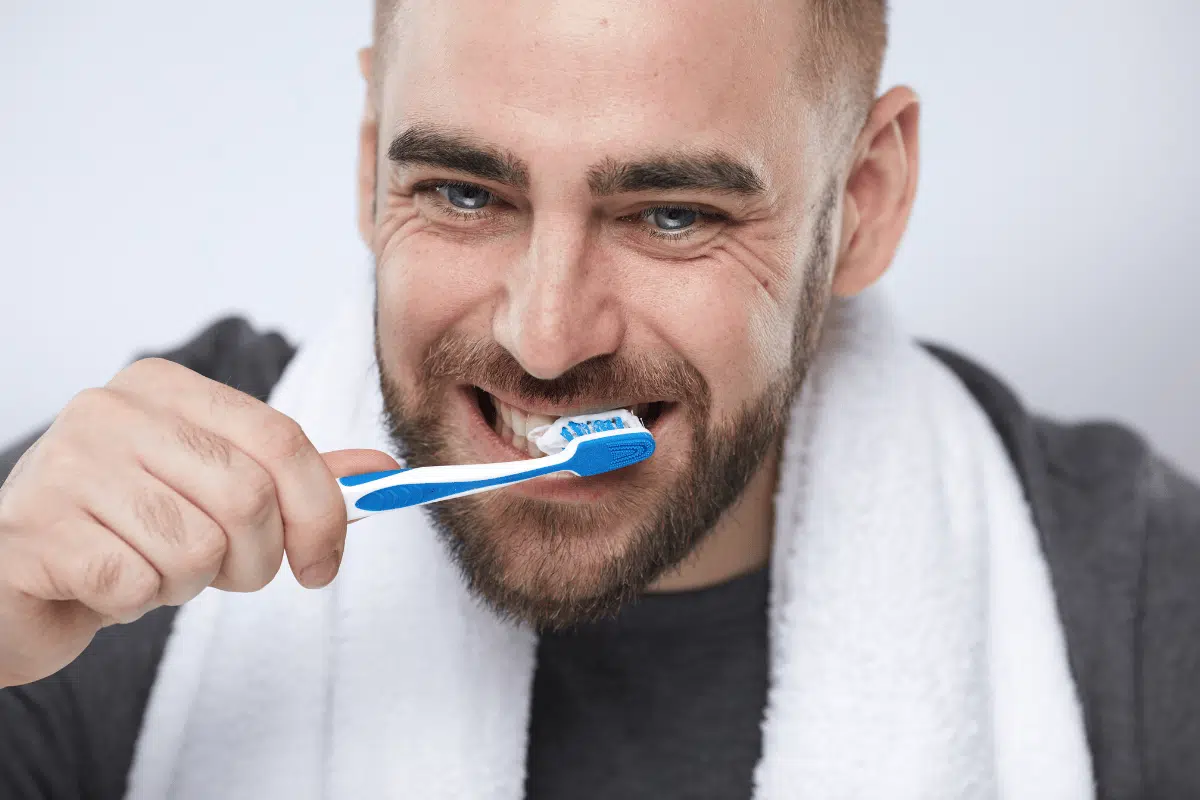
You brush twice a day. You floss. You try your best. But there are still things your toothbrush simply cannot do on its own. That is where a professional dental cleaning comes in.
At Downtown Dental Syracuse, we talk to patients every week who are curious about what actually happens during a cleaning visit. Some people feel nervous. Others are not sure if they really need to come in if their teeth feel fine. If you have been looking for a trusted dentist in Syracuse, this guide breaks it all down in plain, simple terms so you know exactly what to expect.
What Is a Professional Dental Cleaning?
A professional cleaning, also called a prophylaxis, is a thorough removal of plaque and tartar from your teeth. It is done by a licensed dental hygienist using special tools that go where your toothbrush cannot reach.
When plaque (the sticky film on your teeth) is left too long, it hardens into tartar. Once it turns into tartar, no amount of brushing at home will remove it. Only a dental professional can take care of it safely.
A Step-by-Step Look at What Happens During Your Visit
1. A Physical Exam of Your Mouth
Before any cleaning begins, the hygienist takes a close look at your gums and teeth. They check for signs of inflammation, cavities, or anything that needs attention. If something looks concerning, the dentist reviews it before moving forward.
2. Removing Plaque and Tartar
Using a small metal tool called a scaler, the hygienist carefully removes tartar buildup from around and between your teeth. This is the step where you might hear some scraping. The more buildup there is, the longer this part takes.
3. Gritty Toothpaste Polish
After scaling, your teeth get polished with a slightly gritty professional toothpaste. It removes surface stains and leaves your teeth smooth, which makes it harder for plaque to stick.
4. Flossing
The hygienist flosses between every tooth. Even if you floss at home, this step helps get into spots that may have been missed, and it can catch early gum bleeding that might need follow-up.
5. Rinse and Fluoride Treatment
You rinse out all the leftover debris. Many patients also receive a fluoride treatment at this stage. Fluoride helps protect the enamel and can reduce sensitivity.
6. Dentist Review
After the hygienist finishes, your dentist checks everything. They look at X-rays if needed and discuss anything that needs attention, such as a potential cavity or signs of gum disease.
Why Regular Cleanings Matter More Than You Think
People often skip dental visits because they feel fine. But many dental issues, including gum disease and cavities, do not cause pain until they are already serious.
Regular cleanings help catch small problems before they become bigger ones. Gum disease, for example, has been linked to heart disease, diabetes complications, and pregnancy risks. Keeping your mouth healthy is part of keeping your whole body healthy.
For most adults, one cleaning every six months is the standard recommendation. But some patients with gum disease or certain health conditions may need to come in every three to four months. Any good dentist in Syracuse will guide you on what schedule makes sense for your specific needs.
What to Expect If You Have Not Been in a While
If it has been a year or more since your last visit, your hygienist may need more time to remove the buildup. There may be some sensitivity during the process, and your gums might bleed a little at first. This is normal and usually clears up within a couple of days.
Do not let a lapse in visits stop you from coming back. Every dentist in Syracuse understands that life gets busy and that people fall off track. There is no judgment at a cleaning appointment. The goal is simply to get your mouth back on track.
Dental Cleaning and Gum Health: What You Should Know
Gum health is often the part of dental care people overlook. You might not notice anything wrong until your gums bleed when you brush or feel sore after eating.
Gum disease starts as gingivitis, which is mild inflammation caused by plaque at the gumline. Left untreated, it can progress to periodontitis, where the bone and tissue holding your teeth in place start to break down.
Regular professional cleanings are one of the most effective ways to prevent this. Your dental team will also check your gum pocket depths at each visit to track any changes over time.
Tips to Keep Your Teeth Cleaner Between Visits
A cleaning every six months only works well if you keep up with daily care at home. A few simple habits make a real difference.
Brush for two full minutes, twice a day. Use a soft-bristled brush and fluoride toothpaste. Floss once a day, especially before bed. If you drink coffee, tea, or soda often, rinse with water after to reduce staining and acid buildup.
If you are looking for a dentist near me in the local area, keeping these habits strong between your visits helps every appointment go more smoothly.
Conclusion
A professional dental cleaning is not just a routine box to check. It is one of the most important things you can do for your long-term oral and overall health. It removes what brushing leaves behind, helps catch problems early, and keeps your gums in good shape. Whether you are new to the area or have been searching for a reliable dentist in Syracuse, Downtown Dental Syracuse is here to help. We make cleanings comfortable, thorough, and judgment-free.
If you are ready to take the next step, schedule a consultation with Downtown Dental Syracuse by calling our office or booking online. For any questions before your visit, feel free to contact our Downtown Dental Syracuse office directly. We are happy to walk you through what to expect. If you have been putting off care and searching for a dentist near me, do not wait until something hurts. A simple cleaning today can save you a lot of trouble down the road.
Frequently Asked Questions
1. How long does a dental cleaning take?
Most routine cleanings take between 45 minutes and one hour. If it has been a while since your last visit, it may take a little longer due to extra buildup.
2. Is a dental cleaning painful?
For most people, it is not painful. You may feel some pressure or sensitivity, especially around the gumline. If discomfort is a concern, let your hygienist know and they can adjust their approach.
3. How often should I get my teeth professionally cleaned?
For most adults, every six months is the standard recommendation. Some patients with gum disease or other conditions may benefit from visits every three to four months.
4. Do I still need a cleaning if my teeth look fine?
Yes. Many dental problems, including early gum disease and cavities between teeth, are not visible to the untrained eye and do not cause symptoms until they have progressed.
5. Will a cleaning whiten my teeth?
A cleaning can remove surface stains and make your teeth look brighter, but it is not a whitening treatment. If you want a noticeable color change, ask about professional whitening options during your visit.
6. What is the difference between a regular cleaning and a deep cleaning?
A regular cleaning focuses on the tooth surface above and just below the gumline. A deep cleaning, also called scaling and root planing, goes further below the gumline and is used to treat gum disease. Your dentist will let you know if a deep cleaning is needed.
7. Is it safe to get a dental cleaning while pregnant?
Yes. In fact, it is recommended. Pregnancy can increase the risk of gum disease due to hormonal changes. Routine cleanings during pregnancy are considered safe and important for both mother and baby.
8. What happens if I skip my regular cleanings for a long time?
Skipping cleanings allows tartar to build up, which can lead to gum disease, tooth decay, and eventually tooth loss. The longer the gap, the more involved your next visit may be, but it is never too late to get back on track.