315-422-0894


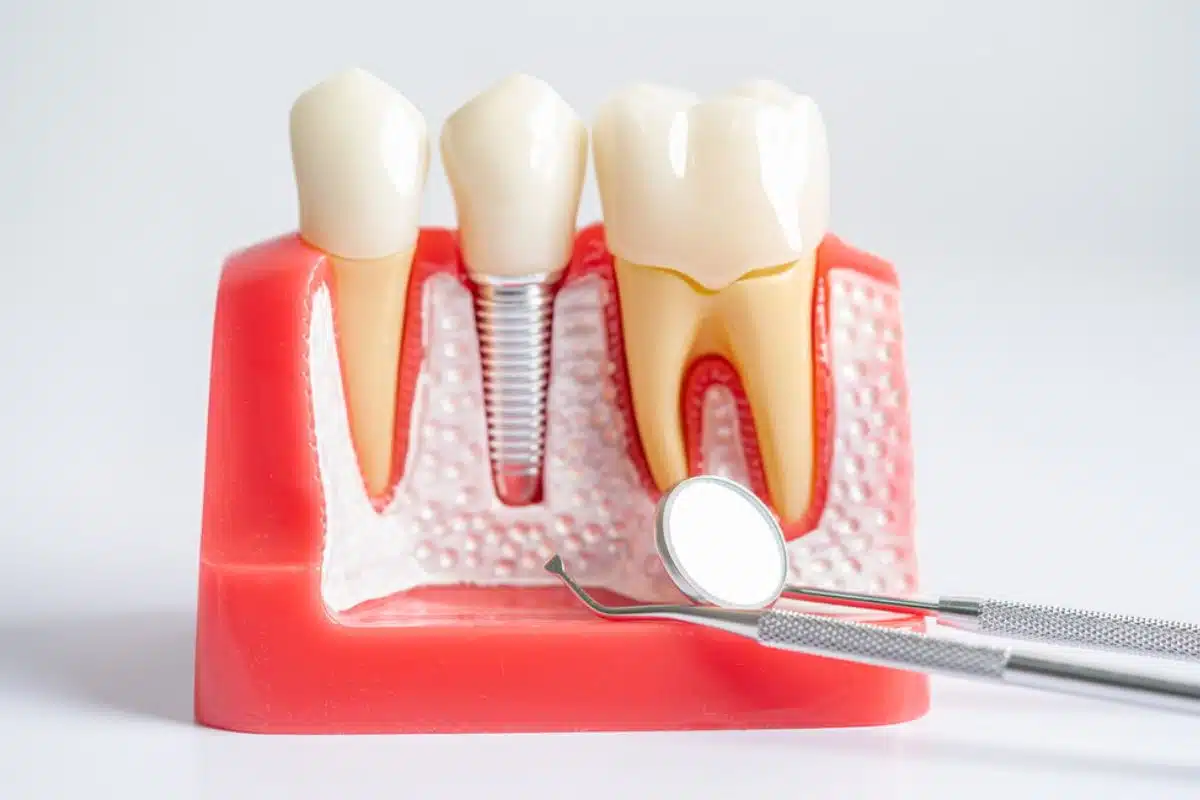
When a dental implant feels loose, it can be an alarming experience that requires immediate attention. A detaching tooth root may indicate an issue with the surrounding bone, the abutment, or an infection. Ignoring these problems can lead to discomfort and more severe oral health concerns. Read this blog to find out how to ensure your dental prosthetics remain in their place.
Signs That Your Dental Implant is Loose
Most emergency visits for dental implant failures are typical among individuals under 18 (22.4% of all cases), followed by those aged 70 and older (18.2%). Loose prosthetics are sometimes considered crises and need an emergency dentist’s intervention. The typical warning signs of this implant impairment include:
Pain or Discomfort: If you feel pain when biting or chewing, there may be a problem with the implant’s stability.
Movement: The root of your artificial tooth and a part of your jaw should feel firmly anchored. Any discernible shifting suggests that your prosthetic could malfunction.
Swelling or Redness: Gum inflammation near the surgical site could indicate infection or discomfort.
Changes in Bite Alignment: An unstable implant could cause chewing difficulties or a strange bite.
Gum Recession: Considerable bone loss occurs when the gums surrounding the tooth root are receding.
If you notice these signs, visit your emergency dentist in Syracuse, NY. These practitioners can recommend the right approach to stabilize fixed replacement teeth.
Why Do Dental Implants Become Loose?
Though implants are designed for long-term durability, several factors can contribute to them becoming loose:
Improper Placement: If an implant is not positioned correctly, integration with surrounding bone is incomplete. This often leads to prosthetic instability.
Bone Loss: The artificial tooth root may loosen if the jawbone deteriorates due to gum disease or osteoporosis.
Excessive Pressure: Grinding or clenching teeth can exert undue stress on an implant, weakening its connection to the bone.
Oral Trauma: Accidents, falls, or injuries to the mouth can impact the stability of your titanium post.
Steps to Take When Your Dental Implant Feels Loose
You need to stay calm before taking the following actions to restore your prosthetic teeth.
Evaluate the Situation: Look for any movement, pain, or swelling at the surgical site. Don’t move or touch the implant too much.
Speak with a Dental Expert: Make an appointment immediately so an implant dentist can assess the issue with your prosthetic teeth.
Avoid Sticky or Hard Foods: Don’t consume anything that can place additional strain on your tooth root. Instead, eat soft meals.
Preserve Your Dental Health: Carefully brush and floss the surrounding area. Avoid causing any more damage to the replacement teeth.
Tips for Preventing Long-Term Implant Failure
Do you want the implant to be safe and effective for many years? Take the following safety measures:
- Maintain proper dental hygiene by brushing and flossing regularly.
- Make an appointment for regular examinations to monitor the condition of your implant and the tissues around it.
- Don’t smoke or chew tobacco, which can affect bone density and lead to implant failure.
- If you grind your teeth, wear a mouthguard to protect your tooth roots from excessive pressure.
- Follow your dentist’s dietary advice to avoid putting undue strain on your artificial teeth.
To maintain a stable smile, always watch for these indications of a loose implant and take prompt action, as mentioned above. By doing these things, you can extend the lifespan of your dental restoration and protect your oral health. If you want to resolve problems with prosthetic teeth or avoid complications, contact your implant dentist in Syracuse.