

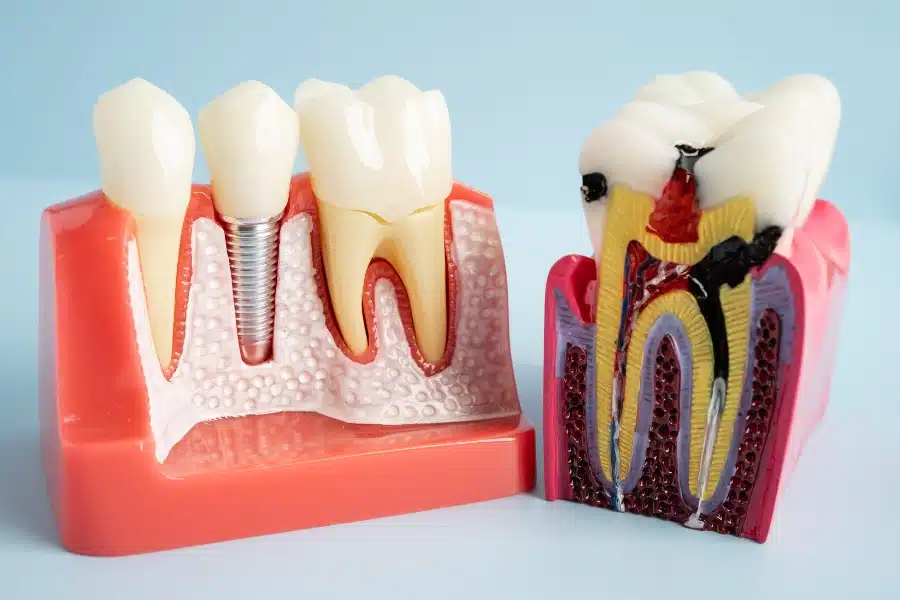
Living with diabetes doesn’t mean you have to give up on having a healthy, complete smile. If you’re missing teeth and considering dental implants, you probably have questions about whether they’re safe and effective for diabetic patients. The good news is that with proper planning and care, dental implants can work beautifully for people with diabetes.
Let’s talk about what you need to know to make the best decision for your oral health.
Understanding the Connection Between Diabetes and Oral Health
Diabetes affects your body’s ability to heal and fight infections. This matters for dental implants because the procedure involves placing a titanium post into your jawbone, which then needs to fuse with the bone over several months. High blood sugar levels can slow down this healing process and increase the risk of infection around the implant site.
Research from the American Diabetes Association shows that people with diabetes are more likely to have gum disease, which can also affect implant success. However, this doesn’t mean implants are off the table. It just means you need to work closely with your dental team.
Can People with Diabetes Get Dental Implants?
Yes, absolutely. The key factor is blood sugar control. If your diabetes is well managed, your chances of implant success are quite similar to those without diabetes. Studies published in the Journal of Periodontology indicate that diabetic patients with good glucose control can achieve success rates above 90%.
Your doctor will likely check your HbA1c levels before moving forward. Most dental professionals prefer this number to be below 7% before proceeding with implant surgery. If your levels are higher, they might work with your physician to get your diabetes better controlled first.
What Success Rates Can You Expect?
The success rates for dental implants in diabetic patients have improved significantly over the years. For patients with well-controlled diabetes, success rates typically range from 85% to 95% over five years. These numbers are pretty close to the general population.
Factors that improve your odds include maintaining stable blood sugar levels, practicing excellent oral hygiene, not smoking, and choosing an experienced implant dentist syracuse residents trust for complex cases.
Preparing for Dental Implant Surgery
If you’re considering dental implants syracuse dental professionals will walk you through several preparation steps. Your dentist will review your medical history in detail and coordinate with your diabetes doctor. You might need blood work to confirm your glucose levels are in a good range.
Before surgery, your dental team will check the health of your gums and jawbone. If you have active gum disease, that needs treatment first. Some patients might need a bone graft if their jawbone isn’t thick or strong enough to support an implant.
Plan to keep your blood sugar especially stable in the weeks before and after surgery. Your doctor might adjust your diabetes medications temporarily. Make sure to follow all pre-surgery instructions about eating, drinking, and taking your medications.
The Recovery Process for Diabetic Patients
Recovery takes patience, but most people handle it well. The first few days after surgery are critical. Keep the surgical area clean, take any prescribed antibiotics exactly as directed, and monitor your blood sugar carefully. Stress and infection can both raise glucose levels, so stay on top of your diabetes management.
Most patients return to normal activities within a few days, but complete healing takes three to six months. During this time, the implant fuses with your jawbone. Your dental implants syracuse specialist will schedule regular checkups to monitor your progress.
Working with the Right Dental Team
Finding an implant dentist syracuse patients recommend who has experience treating diabetic patients makes a real difference. Look for someone who communicates clearly, answers your questions, and works collaboratively with your other healthcare providers.
Don’t hesitate to ask about their experience with diabetic patients and their success rates. A good dental team will be upfront about risks and realistic about outcomes. According to the Centers for Disease Control and Prevention, coordinated care between your dentist and doctor gives you the best chance for success.
Long-Term Care and Maintenance
Once your implants are in place, caring for them is similar to caring for natural teeth. Brush twice daily, floss every day, and see your dentist for regular cleanings. For diabetic patients, these cleanings might need to happen more frequently, perhaps every three to four months instead of twice a year.
Keep monitoring your blood sugar levels and maintain good overall health. Your implants can last decades with proper care and stable diabetes management.
Common FAQs: Dental Implants
1. What HbA1c level is safe for dental implants?
Most dentists prefer an HbA1c level below 7% before placing implants. Levels between 7% and 8% might still be acceptable depending on your overall health and your dentist’s assessment.
2. Will dental implant surgery affect my blood sugar?
Surgery can temporarily raise blood sugar due to stress and inflammation. Monitor your levels closely and stay in touch with your diabetes doctor during recovery.
3. How long does it take for implants to heal in diabetic patients?
Healing typically takes three to six months for the implant to fuse with bone. Diabetic patients might fall on the longer end of this range, but the timeline varies by individual.
4. Can Type 1 diabetics get dental implants?
Yes, both Type 1 and Type 2 diabetics can receive implants successfully with proper blood sugar control and medical coordination.
5. Are there alternatives to dental implants for diabetics?
Yes, bridges and dentures are options. However, many diabetics prefer implants because they preserve jawbone and function like natural teeth.
6. What increases the risk of implant failure in diabetics?
Poor blood sugar control, smoking, active gum disease, and inadequate oral hygiene are the main risk factors.
7. Do I need to stop taking my diabetes medication before surgery?
Never stop medications without consulting your doctor. Your healthcare team will provide specific instructions about medication management around surgery.
Conclusion
Dental implants are not off limits for patients with diabetes—if you approach the case with care. The evidence supports high success rates in individuals with good glycemic control, provided that thoughtful planning, antibiotic support, and strong follow-up are applied. In your practice, you can establish protocols to manage risk, provide transparent counseling, and track outcomes.
If you’re a clinician considering how to refine your implant protocols in diabetic patients, it is recommended that you do a complete review of the primary literature that is cited above and adopt a risk-aware pathway. And if you work in the Syracuse area, book a dental consultation and connect dentists with practices offering diabetes-aware implant care (look for an “implant dentist syracuse”), request case reviews, and discuss your protocols with other people.