
How Often Do Dental Implants Need to Be Replaced?

November 5, 2024
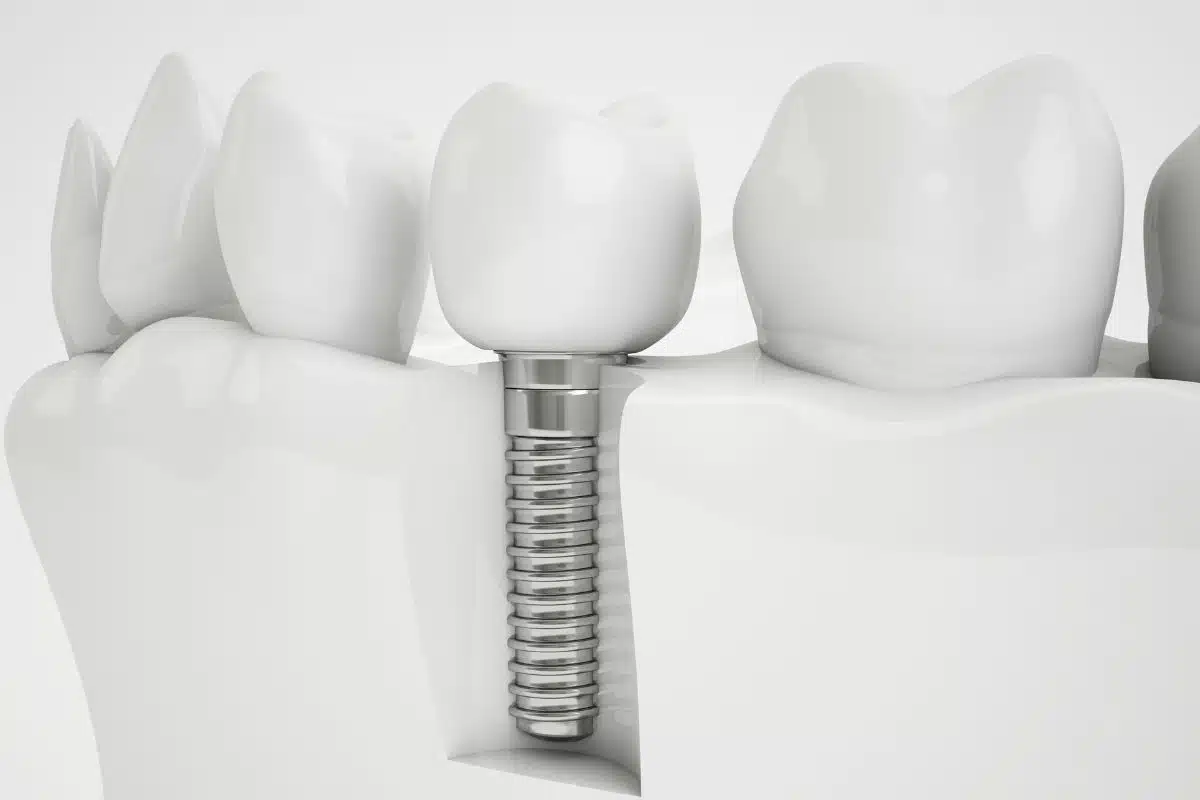
Featured image for “How Often Do Dental Implants Need to Be Replaced?”

Dental implants are a fantastic solution for replacing missing teeth, offering durability and a natural look. However, one of the most common questions patients ask is, “How often do dental implants need to be replaced?” This blog will break down the factors that affect the lifespan of dental implants and how to ensure your investment in a beautiful smile lasts as long as possible.

What Is the Lifespan of Dental Implants?

The actual implant, which is typically made of titanium, can last for a lifetime if it is well cared for. However, the crown, which is the part that resembles a natural tooth, usually has a lifespan of 10 to 15 years. Over time, daily wear and tear from chewing and biting may cause the crown to need replacement, but this doesn’t mean the implant itself is compromised.

Factors That Affect the Longevity of Dental Implants

Several factors can influence how long dental implants last, including:

Oral Hygiene: Maintaining good oral hygiene is essential for the health of your dental implant. Brushing twice daily, flossing, and regular dental check-ups help prevent infections and gum disease that could damage the implant.

Lifestyle Habits: Habits like smoking or excessive alcohol consumption can negatively impact the lifespan of your implant. Smoking, in particular, restricts blood flow, which can delay healing and affect implant success.

Bite Pressure: Excessive force or grinding (bruxism) can shorten the crown’s lifespan. Patients with bruxism may need a mouthguard to protect their implants, particularly during sleep.

Implant Location: Implants in the back of the mouth may experience more stress during chewing, potentially causing them to wear down faster than those placed in the front.

Signs That Dental Implants May Need Replacement

While dental implants are designed to be permanent, signs indicate they may require attention or replacement. Watch out for:

Loosening of the Implant: If an implant feels loose, it may indicate bone loss or gum disease, destabilizing the implant.

Discomfort or Pain: Persistent pain in the implant area may signal an infection or a problem with the bone structure supporting the implant.

Wear on the Crown: Over time, crowns may wear down or become discolored. This doesn’t mean the implant needs replacement, but you may consider replacing the crown for appearance.

How to Maximize the Lifespan of Your Dental Implants?

To make your dental implants last, follow these key practices:

Routine Dental Visits: Regular check-ups help monitor the implant’s condition and catch any issues early on. Dentists can also check the health of the surrounding gum and bone.

Daily Oral Hygiene: Brushing, flossing, and using mouthwash are essential for preventing plaque buildup and infections.

Avoid Hard Foods: Limit consumption of hard foods like ice or hard candies, which could damage the crown.

Protect Against Teeth Grinding: If you grind your teeth, consider a custom mouthguard to reduce the pressure on your implants.

When Should Dental Implants Be Replaced?

Most implants don’t need replacement unless there’s a significant problem like infection or bone loss. However, the crown or restoration on top of the implant may require periodic replacement every 10 to 15 years, depending on wear and aesthetic factors. Regular dental visits will help your dentist monitor and maintain your implant for the best possible longevity.

For patients considering dental implants in Syracuse, we offer various options for high-quality implant procedures. Whether replacing single or multiple teeth, choosing an experienced provider will ensure the best long-term results.

Conclusion: Dental Implants Are Built to Last

Dental implants can provide a long-lasting solution for missing teeth with proper care, often lasting a lifetime. By practicing good oral hygiene, making healthy lifestyle choices, and seeing your dentist regularly, you can maximize the longevity of your dental implants. Remember, while the implant itself may last indefinitely, the crown might need periodic replacement to keep your smile looking its best.

Request an appointment today to learn more about how dental implants can restore your smile!


Share:
November 5, 2024

Dental implants are a fantastic solution for replacing missing teeth, offering durability and a natural look. However, one of the most common questions patients ask is, “How often do dental implants need to be replaced?” This blog will break down the factors that affect the lifespan of dental implants and how to ensure your investment in a beautiful smile lasts as long as possible.

What Is the Lifespan of Dental Implants?

The actual implant, which is typically made of titanium, can last for a lifetime if it is well cared for. However, the crown, which is the part that resembles a natural tooth, usually has a lifespan of 10 to 15 years. Over time, daily wear and tear from chewing and biting may cause the crown to need replacement, but this doesn’t mean the implant itself is compromised.

Factors That Affect the Longevity of Dental Implants

Several factors can influence how long dental implants last, including:

Oral Hygiene: Maintaining good oral hygiene is essential for the health of your dental implant. Brushing twice daily, flossing, and regular dental check-ups help prevent infections and gum disease that could damage the implant.

Lifestyle Habits: Habits like smoking or excessive alcohol consumption can negatively impact the lifespan of your implant. Smoking, in particular, restricts blood flow, which can delay healing and affect implant success.

Bite Pressure: Excessive force or grinding (bruxism) can shorten the crown’s lifespan. Patients with bruxism may need a mouthguard to protect their implants, particularly during sleep.

Implant Location: Implants in the back of the mouth may experience more stress during chewing, potentially causing them to wear down faster than those placed in the front.

Signs That Dental Implants May Need Replacement

While dental implants are designed to be permanent, signs indicate they may require attention or replacement. Watch out for:

Loosening of the Implant: If an implant feels loose, it may indicate bone loss or gum disease, destabilizing the implant.

Discomfort or Pain: Persistent pain in the implant area may signal an infection or a problem with the bone structure supporting the implant.

Wear on the Crown: Over time, crowns may wear down or become discolored. This doesn’t mean the implant needs replacement, but you may consider replacing the crown for appearance.

How to Maximize the Lifespan of Your Dental Implants?

To make your dental implants last, follow these key practices:

Routine Dental Visits: Regular check-ups help monitor the implant’s condition and catch any issues early on. Dentists can also check the health of the surrounding gum and bone.

Daily Oral Hygiene: Brushing, flossing, and using mouthwash are essential for preventing plaque buildup and infections.

Avoid Hard Foods: Limit consumption of hard foods like ice or hard candies, which could damage the crown.

Protect Against Teeth Grinding: If you grind your teeth, consider a custom mouthguard to reduce the pressure on your implants.

When Should Dental Implants Be Replaced?

Most implants don’t need replacement unless there’s a significant problem like infection or bone loss. However, the crown or restoration on top of the implant may require periodic replacement every 10 to 15 years, depending on wear and aesthetic factors. Regular dental visits will help your dentist monitor and maintain your implant for the best possible longevity.

For patients considering dental implants in Syracuse, we offer various options for high-quality implant procedures. Whether replacing single or multiple teeth, choosing an experienced provider will ensure the best long-term results.

Conclusion: Dental Implants Are Built to Last

Dental implants can provide a long-lasting solution for missing teeth with proper care, often lasting a lifetime. By practicing good oral hygiene, making healthy lifestyle choices, and seeing your dentist regularly, you can maximize the longevity of your dental implants. Remember, while the implant itself may last indefinitely, the crown might need periodic replacement to keep your smile looking its best.

Request an appointment today to learn more about how dental implants can restore your smile!


Share: