315-422-0894


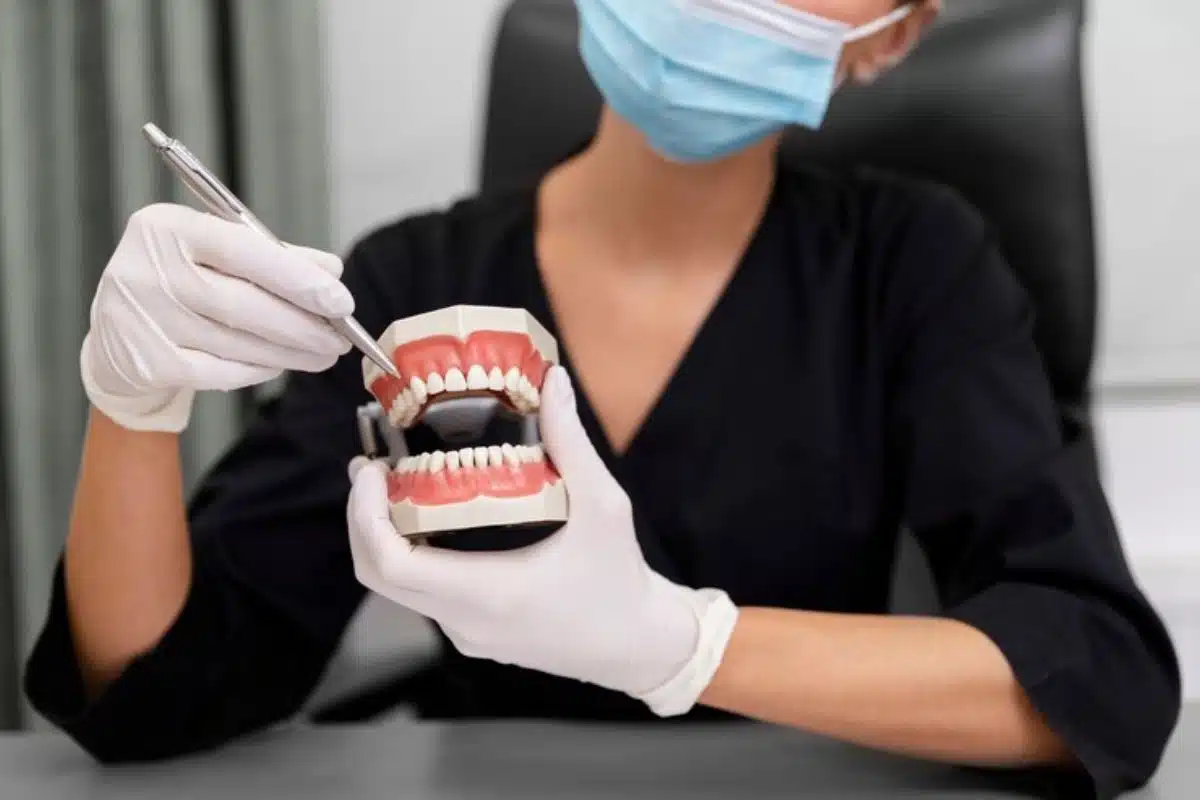
Implant-supported dentures have become a popular choice for those looking to replace missing teeth with a more stable and comfortable option. Unlike traditional dentures, which can slip and move, implant-supported dentures are anchored to the jawbone, offering improved functionality and aesthetics. However, a common question that arises is whether food can get under these dentures and cause discomfort or hygiene issues. In this blog, we’ll explore this concern in detail, addressing the causes, preventive measures, and the role of an implant dentist in ensuring optimal oral health with dental implants.
What Are Implant-Supported Dentures?
Implant-supported dentures are a type of overdenture that is attached to dental implants. These implants are surgically placed into the jawbone, providing a secure foundation for the dentures. This type of denture can be either removable or fixed, depending on the patient’s needs and preferences.
How Do They Differ from Traditional Dentures?
Traditional dentures rest on the gums and are held in place by suction or adhesive. This can lead to movement and instability, especially when eating or speaking. Implant-supported dentures, on the other hand, are anchored to dental implants, offering a more stable and comfortable fit. This stability allows for better chewing efficiency and a more natural feel.
The Concern: Food Getting Under Implant-Supported Dentures
Why is This a Concern?
One of the primary concerns with any type of denture is the possibility of food particles getting trapped underneath. This can cause discomfort, irritation, and potential hygiene issues if not addressed promptly. With implant-supported dentures, this concern is minimized but not eliminated.
How Does Food Get Underneath?
Despite the secure fit of implant-supported dentures, there is still a small gap between the denture and the gum tissue. This gap is necessary to allow for proper cleaning and maintenance. However, it can also be a pathway for food particles to get trapped. The type and consistency of food, as well as the fit of the denture, can influence the likelihood of this happening.
Preventive Measures to Not Get Food Under Implant-Supported Dentures
1. Proper Fit and Adjustment
Ensuring a proper fit is crucial in minimizing the chances of food getting under the dentures. Regular visits to your implant dentist can help in making necessary adjustments to maintain a snug fit. Over time, changes in the jawbone and gum tissue can affect the fit of the dentures, making periodic check-ups essential.
2. Choosing the Right Foods
Certain foods are more likely to get trapped under dentures than others. Sticky or hard foods can be problematic, while softer foods are generally easier to manage. Chewing food slowly and thoroughly can also help in reducing the chances of food particles getting trapped.
3. Regular Cleaning and Maintenance
Maintaining proper oral hygiene is vital in preventing food particles from causing issues. Regular brushing, flossing, and rinsing can help in keeping both the dentures and the implants clean. Special tools, such as interdental brushes and water flossers, can be particularly effective in reaching areas that are difficult to clean with a regular toothbrush.
Benefits of Implant-Supported Dentures
1. Improved Stability and Comfort
One of the most significant advantages of implant-supported dentures is the improved stability and comfort they offer. Unlike traditional dentures, they do not slip or move, allowing for more natural chewing and speaking.
2. Enhanced Aesthetics
Implant-supported dentures are designed to look and feel like natural teeth. They provide a more aesthetically pleasing appearance, boosting confidence and improving overall quality of life.
3. Long-Term Solution
Dental implants are a long-term solution for missing teeth, offering durability and reliability. With proper care and maintenance, implant-supported dentures can last for many years, making them a worthwhile investment.
Implant-supported dentures are an excellent option for those seeking a stable and comfortable solution for missing teeth. While there is a possibility of food getting under these dentures, proper fit, regular cleaning, and maintenance can significantly reduce this risk. By working closely with an implant dentist in Syracuse, you can ensure that your implant-supported dentures remain comfortable and functional for years to come. Embrace the benefits of dental implants and enjoy a confident, healthy smile.
For those considering implant-supported dentures, consulting with a qualified implant dentist is the first step toward achieving a stable and aesthetically pleasing smile. Regular check-ups, professional cleanings, and proper oral hygiene practices are essential in maintaining the oral health and functionality of your dental implants.