
Enhancing Your Smile: The Power of Implanting a Back Tooth

November 24, 2025
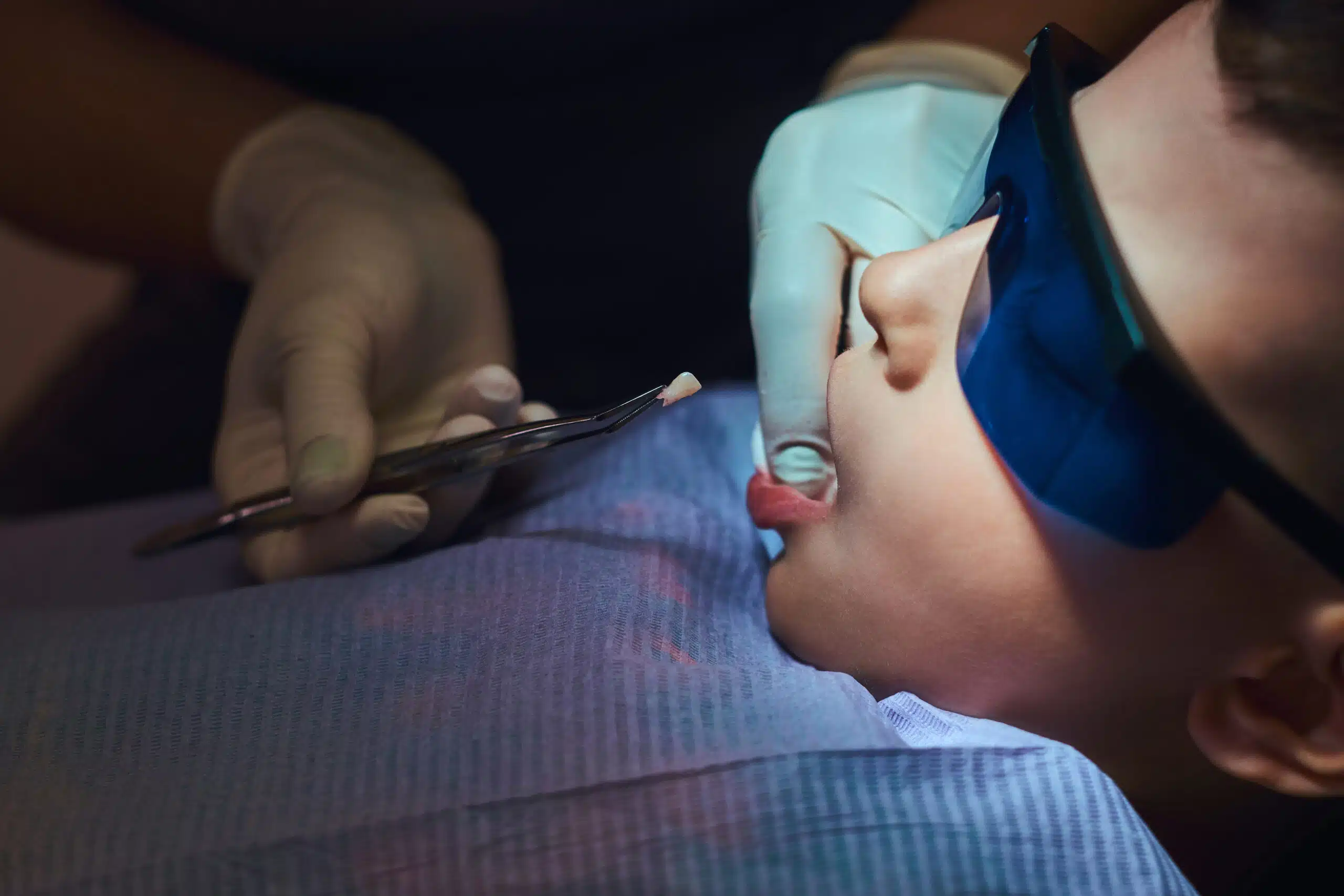
Featured image for “Enhancing Your Smile: The Power of Implanting a Back Tooth”

Missing a back tooth might not seem like a big deal at first. After all, no one sees it when you smile, right? But the reality is quite different. Those back teeth, your molars, do some serious work every single day. When one goes missing, the effects ripple through your entire mouth and even your overall health.

Let’s talk about why replacing that back tooth matters and how modern dental solutions can help you eat, speak, and live comfortably again.

Why Back Teeth Matter More Than You Think

Your back teeth handle about 90% of your chewing force. They grind food, break down tough textures, and make digestion easier. When you lose a molar, your other teeth try to pick up the slack. This creates uneven pressure that can wear down healthy teeth faster than normal.

But it goes beyond chewing. A missing back tooth creates a gap that allows neighboring teeth to shift. Your teeth on either side may start tilting inward, and the tooth above or below the gap can begin to move out of position. This shifting changes your bite alignment and can lead to jaw pain, headaches, and even facial changes over time.

The bone in your jaw needs stimulation from tooth roots to stay healthy. Without that stimulation, the bone starts to shrink. This process, called bone resorption, can make your face look older and create problems if you want to replace the tooth later.

How Dental Implants Work

A dental implant is a small titanium post that acts as an artificial tooth root. An experienced implant dentist Syracuse places this post directly into your jawbone through a minor surgical procedure. Over several months, the bone grows around the implant in a process called osseointegration. This creates a rock-solid foundation that’s almost as strong as your natural tooth root.

Once the implant fuses with your bone, your dentist attaches a custom-made crown that looks and functions just like your natural tooth. The result? A replacement tooth that feels completely natural and can last for decades with proper care.

The Benefits Are Hard to Ignore

Strength and Stability

Unlike bridges or partial dentures, implants don’t rely on neighboring teeth for support. They stand on their own, which means you can bite and chew with full confidence. You can eat corn on the cob, bite into an apple, or enjoy a thick steak without worrying.

Bone Preservation

Since the implant replaces the root structure, it stimulates your jawbone just like a natural tooth would. This stops bone loss and maintains your facial structure. According to the American Academy of Implant Dentistry, dental implants are the only tooth replacement option that preserves bone.

Long-Term Value

While the upfront cost might seem higher than other options, implants typically last 25 years or longer with good care. Bridges need replacement every 10 to 15 years, and dentures require adjustments as your bone changes shape. When you factor in these long-term costs, dental implants Syracuse often becomes the more affordable choice.

Natural Feel and Function

After you adjust to your implant, you’ll forget it’s not your original tooth. There are no diet restrictions, no special cleaning routines, and no worries about it slipping or clicking when you talk or eat.

What to Expect During Treatment

Getting dental implants Syracuse requires several appointments spread over a few months, but the process is more straightforward than many people expect.

Your first visit involves a thorough exam, including X-rays or 3D scans. Your dentist checks your bone density and overall oral health to make sure you’re a good candidate. Most people qualify, but certain conditions like uncontrolled diabetes or active gum disease need to be addressed first.

The implant placement itself takes about an hour per tooth. You’ll receive local anesthesia, so you won’t feel pain during the procedure. Many patients report that the recovery is easier than they expected, similar to having a tooth extracted.

After placement, you’ll need three to six months for the implant to integrate with your bone. During this time, you might wear a temporary crown. Once healing is complete, your dentist takes impressions and creates your permanent crown, which typically takes a few weeks to fabricate.

Taking Care of Your Investment

Implants need the same basic care as natural teeth. Brush twice daily, floss once daily, and visit your dentist for regular cleanings and checkups. The Mayo Clinic recommends avoiding hard foods that could damage the crown and quitting smoking, since tobacco use can interfere with healing and long-term success.

Most implants succeed without complications, but staying on top of your oral hygiene and keeping up with dental visits gives you the best odds for lasting results.

Common FAQs: Implanting Back Tooth

1. How painful is getting a dental implant?

Most patients report minimal discomfort. You’ll receive local anesthesia during the procedure, and over-the-counter pain medication usually handles any soreness afterward. Many people return to work the next day.

2. Can anyone get dental implants?

Most healthy adults qualify. You need enough bone density to support the implant and healthy gums. Conditions like diabetes need to be well-controlled. Your dentist will evaluate your specific situation.

3. How long do back tooth implants last?

With proper care, implants can last 25 years or more. Many last a lifetime. The crown may need replacement after 10 to 15 years due to normal wear.

4. Will my insurance cover the cost?

Coverage varies widely. Some plans cover part of the cost, treating it like a major procedure. Others don’t cover implants at all. Check with your insurance provider and ask about payment plans.

5. What happens if I don’t replace my missing back tooth?

Your other teeth will shift, your bite alignment will change, and you’ll lose bone in that area. These changes can lead to additional tooth loss, jaw problems, and difficulty eating.

6. How soon after tooth extraction can I get an implant?

Sometimes immediately. In other cases, you’ll wait three to six months for the extraction site to heal. Your implant dentist Syracuse will recommend the best timing based on your situation.

6. Are there alternatives to implants?

Yes. Bridges and partial dentures are options, but they don’t prevent bone loss and may need more frequent replacement. Each option has pros and cons worth discussing with your dentist.

Making the Next Move

Losing a back tooth doesn’t have to mean living with an incomplete smile or struggling through meals. Modern implant technology offers a reliable, long-lasting solution that restores both function and confidence.

If you’re dealing with a missing back tooth, now is the time to explore your options. The sooner you address the gap, the easier treatment becomes and the better your results will be. Don’t wait until neighboring teeth shift or bone loss becomes severe.

Ready to take the first step? Schedule a consultation with a qualified dental professional who can evaluate your specific needs. Contact a local dental office today and discover how replacing that missing tooth can improve your daily life in ways you might not expect.


Share:
November 24, 2025

Missing a back tooth might not seem like a big deal at first. After all, no one sees it when you smile, right? But the reality is quite different. Those back teeth, your molars, do some serious work every single day. When one goes missing, the effects ripple through your entire mouth and even your overall health.

Let’s talk about why replacing that back tooth matters and how modern dental solutions can help you eat, speak, and live comfortably again.

Why Back Teeth Matter More Than You Think

Your back teeth handle about 90% of your chewing force. They grind food, break down tough textures, and make digestion easier. When you lose a molar, your other teeth try to pick up the slack. This creates uneven pressure that can wear down healthy teeth faster than normal.

But it goes beyond chewing. A missing back tooth creates a gap that allows neighboring teeth to shift. Your teeth on either side may start tilting inward, and the tooth above or below the gap can begin to move out of position. This shifting changes your bite alignment and can lead to jaw pain, headaches, and even facial changes over time.

The bone in your jaw needs stimulation from tooth roots to stay healthy. Without that stimulation, the bone starts to shrink. This process, called bone resorption, can make your face look older and create problems if you want to replace the tooth later.

How Dental Implants Work

A dental implant is a small titanium post that acts as an artificial tooth root. An experienced implant dentist Syracuse places this post directly into your jawbone through a minor surgical procedure. Over several months, the bone grows around the implant in a process called osseointegration. This creates a rock-solid foundation that’s almost as strong as your natural tooth root.

Once the implant fuses with your bone, your dentist attaches a custom-made crown that looks and functions just like your natural tooth. The result? A replacement tooth that feels completely natural and can last for decades with proper care.

The Benefits Are Hard to Ignore

Strength and Stability

Unlike bridges or partial dentures, implants don’t rely on neighboring teeth for support. They stand on their own, which means you can bite and chew with full confidence. You can eat corn on the cob, bite into an apple, or enjoy a thick steak without worrying.

Bone Preservation

Since the implant replaces the root structure, it stimulates your jawbone just like a natural tooth would. This stops bone loss and maintains your facial structure. According to the American Academy of Implant Dentistry, dental implants are the only tooth replacement option that preserves bone.

Long-Term Value

While the upfront cost might seem higher than other options, implants typically last 25 years or longer with good care. Bridges need replacement every 10 to 15 years, and dentures require adjustments as your bone changes shape. When you factor in these long-term costs, dental implants Syracuse often becomes the more affordable choice.

Natural Feel and Function

After you adjust to your implant, you’ll forget it’s not your original tooth. There are no diet restrictions, no special cleaning routines, and no worries about it slipping or clicking when you talk or eat.

What to Expect During Treatment

Getting dental implants Syracuse requires several appointments spread over a few months, but the process is more straightforward than many people expect.

Your first visit involves a thorough exam, including X-rays or 3D scans. Your dentist checks your bone density and overall oral health to make sure you’re a good candidate. Most people qualify, but certain conditions like uncontrolled diabetes or active gum disease need to be addressed first.

The implant placement itself takes about an hour per tooth. You’ll receive local anesthesia, so you won’t feel pain during the procedure. Many patients report that the recovery is easier than they expected, similar to having a tooth extracted.

After placement, you’ll need three to six months for the implant to integrate with your bone. During this time, you might wear a temporary crown. Once healing is complete, your dentist takes impressions and creates your permanent crown, which typically takes a few weeks to fabricate.

Taking Care of Your Investment

Implants need the same basic care as natural teeth. Brush twice daily, floss once daily, and visit your dentist for regular cleanings and checkups. The Mayo Clinic recommends avoiding hard foods that could damage the crown and quitting smoking, since tobacco use can interfere with healing and long-term success.

Most implants succeed without complications, but staying on top of your oral hygiene and keeping up with dental visits gives you the best odds for lasting results.

Common FAQs: Implanting Back Tooth

1. How painful is getting a dental implant?

Most patients report minimal discomfort. You’ll receive local anesthesia during the procedure, and over-the-counter pain medication usually handles any soreness afterward. Many people return to work the next day.

2. Can anyone get dental implants?

Most healthy adults qualify. You need enough bone density to support the implant and healthy gums. Conditions like diabetes need to be well-controlled. Your dentist will evaluate your specific situation.

3. How long do back tooth implants last?

With proper care, implants can last 25 years or more. Many last a lifetime. The crown may need replacement after 10 to 15 years due to normal wear.

4. Will my insurance cover the cost?

Coverage varies widely. Some plans cover part of the cost, treating it like a major procedure. Others don’t cover implants at all. Check with your insurance provider and ask about payment plans.

5. What happens if I don’t replace my missing back tooth?

Your other teeth will shift, your bite alignment will change, and you’ll lose bone in that area. These changes can lead to additional tooth loss, jaw problems, and difficulty eating.

6. How soon after tooth extraction can I get an implant?

Sometimes immediately. In other cases, you’ll wait three to six months for the extraction site to heal. Your implant dentist Syracuse will recommend the best timing based on your situation.

6. Are there alternatives to implants?

Yes. Bridges and partial dentures are options, but they don’t prevent bone loss and may need more frequent replacement. Each option has pros and cons worth discussing with your dentist.

Making the Next Move

Losing a back tooth doesn’t have to mean living with an incomplete smile or struggling through meals. Modern implant technology offers a reliable, long-lasting solution that restores both function and confidence.

If you’re dealing with a missing back tooth, now is the time to explore your options. The sooner you address the gap, the easier treatment becomes and the better your results will be. Don’t wait until neighboring teeth shift or bone loss becomes severe.

Ready to take the first step? Schedule a consultation with a qualified dental professional who can evaluate your specific needs. Contact a local dental office today and discover how replacing that missing tooth can improve your daily life in ways you might not expect.


Share: