

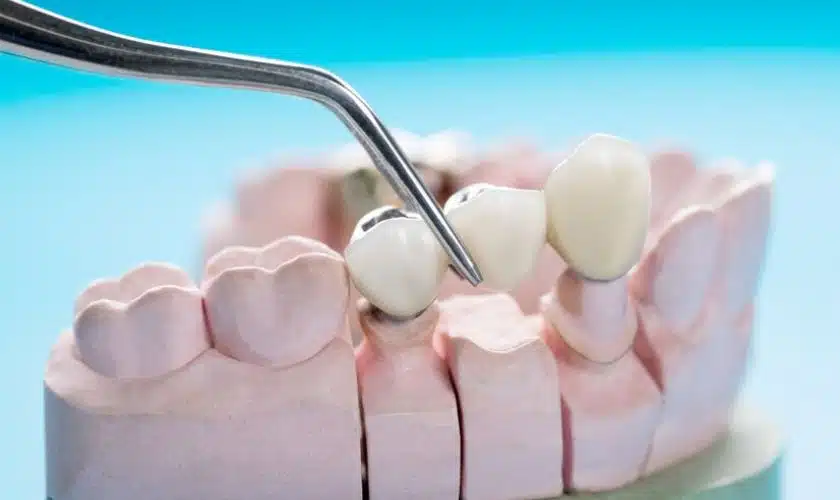
Dental bridges are a popular solution in cosmetic dentistry for replacing missing teeth and restoring a beautiful smile. However, like natural teeth, they require proper care and maintenance to ensure longevity and prevent oral health issues. In this guide, we’ll explore the best practices for keeping your dental bridge clean, so you can maintain both your dental health and the aesthetics of your smile.
Why Is Cleaning Your Dental Bridge Important?
While dental bridges are designed to be durable, they are still vulnerable to plaque buildup, gum disease, and decay. Proper cleaning is crucial to avoid these issues and to ensure that your dental bridge lasts for many years. Poor oral hygiene can lead to complications that may not only affect the bridge itself but also the surrounding teeth and gums.
Daily Cleaning Routine for Your Dental Bridge
1. Brushing Your Teeth (and Bridge) Twice Daily
Just like with natural teeth, brushing is the cornerstone of oral hygiene. Use a soft-bristled toothbrush and fluoride toothpaste to gently clean your dental bridge. Brush at least twice a day—morning and night—ensuring that you reach all surfaces of the bridge and the surrounding teeth. An electric toothbrush can be particularly effective in removing plaque and food particles.
2. Flossing Under the Bridge
Flossing is critical for cleaning the areas that your toothbrush can’t reach, particularly under the pontic of the dental bridge. To floss effectively around your bridge, use a floss threader or special floss designed for dental bridges. These tools help you guide the floss beneath the bridge, removing plaque and debris that could otherwise accumulate.
3. Using an Interdental Brush
Interdental brushes, which are small, cone-shaped brushes, can be used to clean the spaces between your teeth and under the dental bridge. These brushes are especially useful if you find flossing difficult or uncomfortable. They are designed to reach areas that regular toothbrushes can’t, making them an excellent tool for maintaining your dental bridge.
4. Rinsing with an Antibacterial Mouthwash
Incorporating an antibacterial mouthwash into your daily routine can help reduce the bacteria that cause plaque and gum disease. Rinse with mouthwash after brushing and flossing to help reach areas around the dental bridge that might be missed. Be sure to choose an alcohol-free mouthwash to avoid irritation of the gums.
Additional Tips for Maintaining Your Dental Bridge
1. Regular Dental Check-Ups
Routine visits to your dentist are crucial for the upkeep of your dental bridge. During these visits, your dentist will check the condition of your bridge, clean it professionally, and ensure that your surrounding teeth and gums are healthy. It’s generally recommended to see your cosmetic dentist every six months, but your dentist may advise more frequent visits depending on your individual needs.
2. Avoiding Hard and Sticky Foods
While dental bridges are designed to be strong, they are not indestructible. Hard foods like nuts or hard candies, as well as sticky foods like caramel, can damage or dislodge your bridge. It’s wise to avoid these foods to protect your dental work. If you do indulge in such treats, be cautious and chew carefully.
3. Using a Water Flosser
A water flosser, also known as an oral irrigator, can be a great addition to your dental care routine. It uses a stream of pulsating water to clean between teeth and under the bridge, flushing out debris and reducing plaque. Water flossers can be particularly beneficial for those who find traditional flossing challenging or have difficulty reaching certain areas with regular flossing.
4. Quit Smoking
Smoking can severely affect the longevity and health of your dental bridge. It increases the risk of gum disease, which can lead to the failure of your dental bridge. Additionally, smoking can stain your bridge and natural teeth, affecting the appearance of your smile. If you smoke, quitting will not only benefit your overall health but also help preserve your dental bridge.
Proper care and maintenance of your dental bridge are essential for ensuring its longevity and keeping your smile healthy and beautiful. By incorporating these daily cleaning practices and following your dentist’s recommendations, you can prevent common problems like plaque buildup and gum disease. Remember, your dental bridge is an investment in your oral health, and with the right care, it can serve you well for many years to come.