315-422-0894


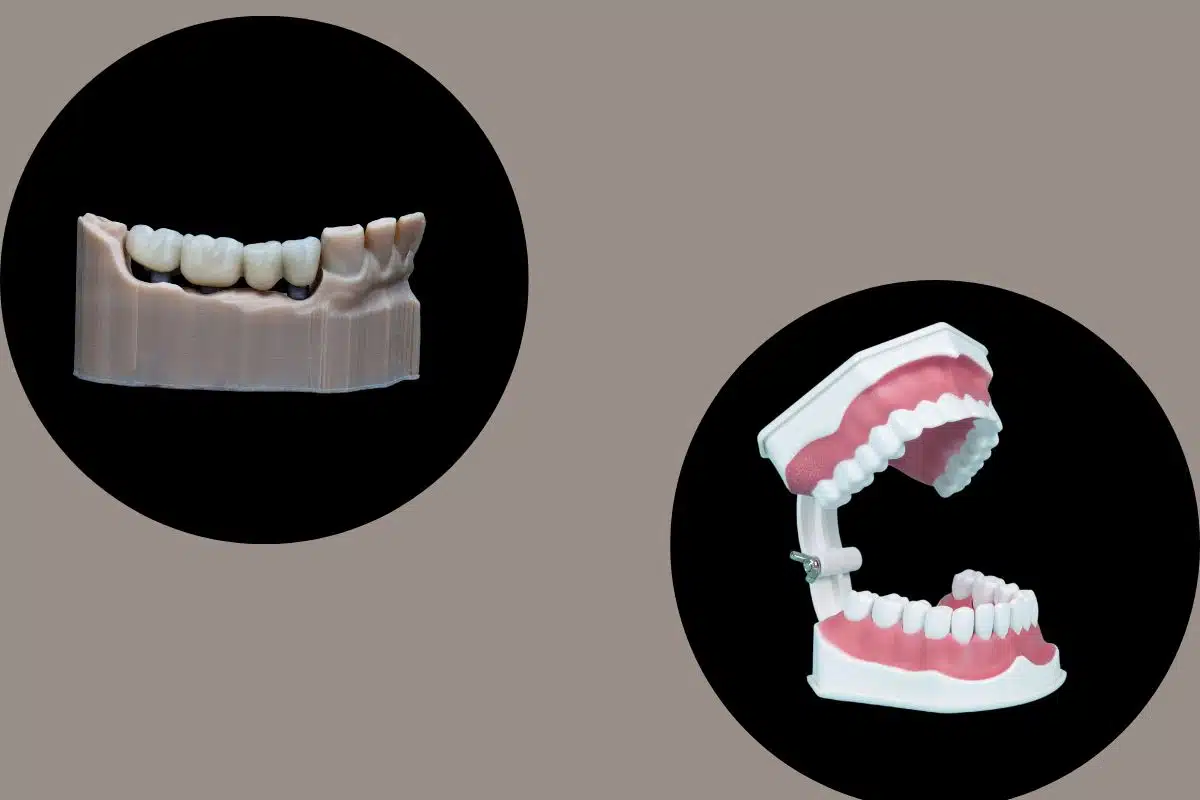
Missing teeth can be a source of both functional and aesthetic concern. They can make chewing difficult, slur speech, and impact your confidence in social settings. Dental bridges offer a reliable solution to replace missing teeth and restore a complete smile. But when it comes to bridges, there’s not a one-size-fits-all approach. You’ll encounter two main types: fixed bridges and removable bridges. Understanding their key differences will help you, in collaboration with your dentist, choose the option that best suits your needs.
Fixed Bridges: A Permanent and Natural Feel
As the name suggests, a fixed bridge is a permanent dental restoration. It consists of artificial teeth, typically made of porcelain, fused to crowns cemented onto the healthy teeth on either side of the gap. This creates a bridge-like structure that fills the space left by the missing teeth.
Procedure for Fixed Bridges:
Getting a fixed bridge usually involves multiple appointments with your dentist. Here’s a breakdown of what to expect:
- Consultation and X-rays: During the initial consultation, your dentist will discuss your dental history, examine your mouth, and take X-rays to assess the health of your jawbone and surrounding teeth.
- Tooth preparation: The teeth adjacent to the gap will be slightly reshaped to accommodate the crowns. This ensures a proper fit for the bridge.
- Temporary bridge: While the permanent bridge is being crafted in a dental lab, a temporary bridge will be placed to protect the prepared teeth and maintain aesthetics.
- Bridge placement: Once the permanent bridge is ready, your dentist will carefully cement it onto the prepared teeth. They’ll ensure a comfortable and secure fit.
Benefits of Fixed Bridges:
- Natural look and feel: Fixed bridges are designed to mimic the appearance and function of natural teeth. They are strong and durable, allowing you to chew and speak normally.
- Improved speech: Missing teeth can sometimes lead to slurred speech. Fixed bridges restore a complete dental structure, improving speech clarity.
- Enhanced facial structure: Missing teeth can cause facial sagging. Bridges prevent this by providing support and maintaining the natural contours of your face.
- Long-lasting: With proper care, fixed bridges can last many years, making them a cost-effective investment in oral health.
- Improved confidence: A complete smile can significantly boost your confidence and self-esteem.
Things to Consider:
- Irreversible procedure: Placing a fixed bridge requires permanently altering the structure of your healthy teeth.
- Cost: Fixed bridges can be more expensive than removable bridges.
Removable Bridges: A Flexible and Affordable Option
Removable bridges, also known as partial dentures, offer a more flexible alternative to fixed bridges. They consist of replacement teeth attached to a gum-colored plastic base, often with metal clasps that hook onto the surrounding teeth for stability. Unlike fixed bridges, removable bridges can be taken out for cleaning and soaking overnight.
Procedure for Removable Bridges:
Getting a removable bridge is typically less involved than fixing bridges. Here’s a general overview:
- Consultation and impressions: Your dentist will assess your needs and take impressions of your teeth and jaw to create a custom-made bridge.
- Fitting: Once the bridge is fabricated, your dentist will ensure a comfortable and secure fit, making adjustments as necessary.
Benefits of Removable Bridges:
- Cost-effective: Removable bridges are generally less expensive than fixed bridges.
- Easy to clean: The ability to remove the bridge allows for thorough cleaning, promoting good oral hygiene.
- Suitable for multiple missing teeth: Removable bridges can replace several missing teeth in a row.
- A good option for compromised jawbone: Removable bridges can offer a viable solution compared to fixed bridges, requiring a strong foundation in cases where the jawbone has weakened due to bone loss.
Things to Consider:
- Stability and comfort: Removable bridges may not feel as stable and comfortable as fixed bridges, especially when you first get them. It may take some time to adjust to speaking and eating with them.
- Aesthetics: Removable bridges may not appear as natural as fixed bridges, particularly when they clasp onto visible teeth.
- Durability: Removable bridges typically require more frequent replacement compared to fixed bridges.
Fixed Bridges vs. Removable Bridges: Making the Right Choice
Both fixed and removable bridges have their own set of advantages and considerations. Your choice depends on factors like budget, oral health, and personal preferences. Consulting with a cosmetic dentist in Syracuse can help you determine the best solution tailored to your needs.
If you are looking for a dentist in Syracuse or nearby areas, visit Downtown Dental Syracuse to explore options for a healthier, more confident smile!