315-422-0894


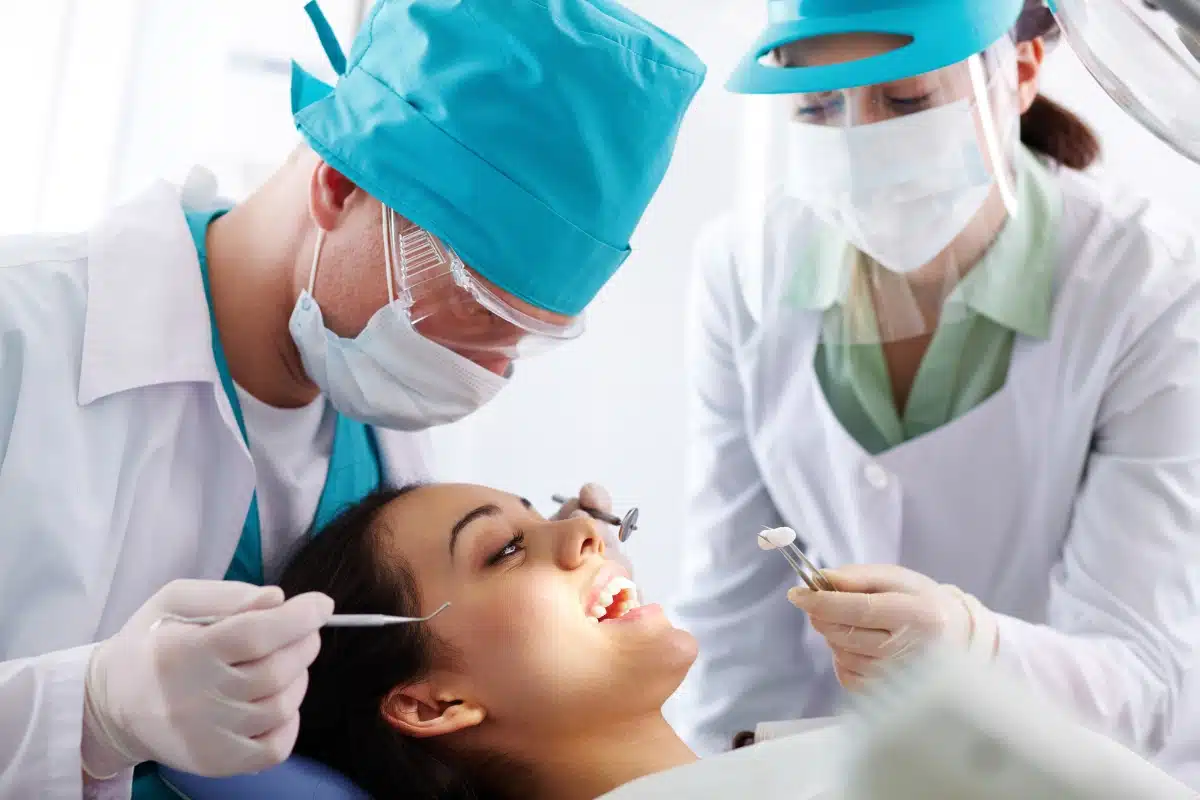
Oral health is often overlooked, yet it plays a key role in overall well-being. One serious consequence of neglecting oral hygiene is the increased risk of oral cancer. This post explains how poor dental care can lead to this severe disease. It is aimed at dental and health care professionals who want a clear and simple guide to share with their patients or colleagues.
Understanding Oral Cancer
Oral cancer is a type of cancer that affects the mouth, lips, tongue, or throat. It can be life-threatening if not diagnosed early. Risk factors include smoking, heavy alcohol use, and infections with certain viruses. But poor oral hygiene also plays a significant role in raising the risk.
According to the American Cancer Society of Oral Cavity and Oropharyngeal Cancer Key Statistics, oral cancer affects the mouth, lips, tongue, or throat and can be life-threatening if not caught early. It says that there are estimated to be around 59,660 new cases of oral cavity or oropharyngeal cancer annually in the United States, with roughly 12,770 deaths each year. Men are more than twice as likely as women to be diagnosed.
How Does Poor Oral Hygiene Contribute?
When people do not brush or floss regularly, plaque builds up on teeth and gums. This buildup can cause gum disease, which leads to inflammation. Chronic inflammation weakens the mouth’s natural defenses and damages tissues. This damage creates an environment where abnormal cells can grow.
Bad oral habits also encourage infections by harmful bacteria and viruses. These germs can cause sores or ulcers that don’t heal. Persistent sores increase the chance of cells turning cancerous.
Signs to Watch For
Early detection saves lives. Look out for:
- White or red patches in the mouth
- Mouth sores that bleed or don’t heal within two weeks
- Lumps or thickened areas inside the mouth or neck
- Difficulties in chewing, swallowing, or speaking
Regular checkups with a trusted dentist in syracuse are essential for spotting these signs early.
Preventing Oral Cancer Through Good Hygiene
Basic steps can greatly lower risks:
- Brush your teeth twice daily with fluoride toothpaste
- Floss daily to remove plaque between teeth
- Avoid tobacco and limit alcohol use
- Eat a balanced diet rich in fruits and vegetables
- Visit your syracuse dentist regularly for cleanings and exams
Good oral hygiene stops plaque buildup and reduces inflammation. It also helps maintain a healthy balance of bacteria in the mouth, lowering infection chances.
The Role of Dental Professionals
Dental staff must educate patients on the oral cancer risks linked to bad hygiene. Explaining the importance of daily care and scheduling routine visits is key. A dentist in syracuse can perform thorough checks to find early signs before symptoms appear.
Early treatment of gum disease or oral infections can prevent progression to more serious conditions, including cancer.
FAQs About Oral Hygiene and Oral Cancer
Q: How often should I brush my teeth to prevent oral cancer?
A: Brush at least twice daily with fluoride toothpaste for two full minutes each time.
Q: Can mouthwash help prevent oral cancer?
A: Antibacterial mouthwash can reduce harmful bacteria in your mouth, which may help lower inflammation and cancer risk.
Q: Is oral cancer more common in older adults?
A: While oral cancer rates increase with age, younger people can also develop it, especially those with poor oral hygiene habits.
Q: How do I know if a mouth sore is serious?
A: Any sore that doesn’t heal within two weeks should be checked by a dental professional.
Q: Can good oral hygiene reverse gum disease?
A: Early gum disease can be reversed with better oral care. Advanced gum disease requires professional treatment.
Q: What foods help prevent oral cancer?
A: Foods rich in vitamins A, C, and E may help protect against oral cancer. Include leafy greens, citrus fruits, and colorful vegetables in your diet.
Conclusion
Poor oral hygiene is more than just an unpleasant issue; it can be a serious health threat leading to oral cancer. Maintaining good daily dental care habits and regular visits to your dentist in syracuse can find problems early and help prevent progression. Health care professionals play a crucial role in educating patients about these risks and the simple steps to reduce them.
For more personalized advice and to address your dental concerns, visit our dental and orthodontic clinic, Downtown Dental Syracuse.
Contact our expert dentist team in syracuse and Schedule your dental consultation, where care and support are always a priority. Taking action today can protect your smile and your health for the future.