315-422-0894


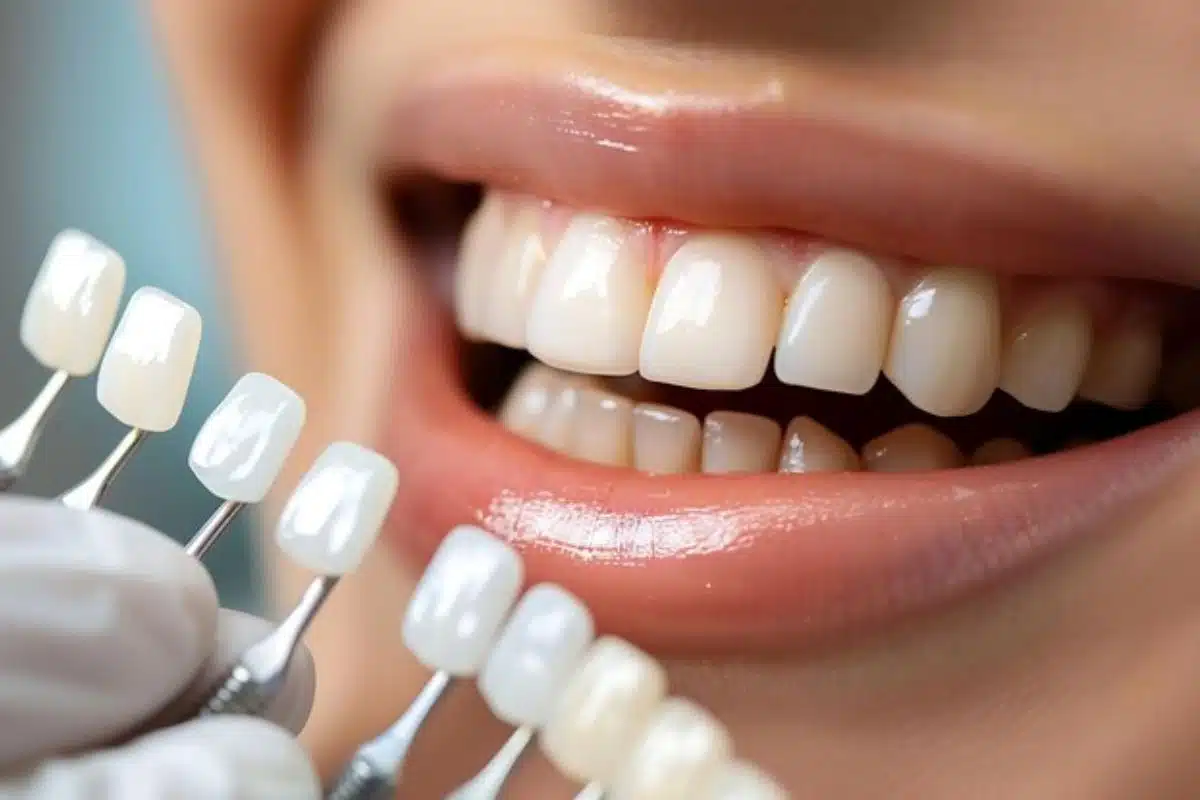
Veneers are one of the most popular cosmetic dentistry options for transforming smiles. They offer a quick and effective solution to cover imperfections like chips, stains, or gaps. But before committing to dental veneers, many patients wonder how long these enhancements will last. In this blog, we’ll explore the lifespan of veneers, factors that affect their durability, and tips to extend their longevity.
What Are Dental Veneers?
Dental veneers are thin shells, typically made of porcelain or composite resin, that are custom-designed to fit over the front surface of your teeth. They are a versatile solution in cosmetic dentistry and can correct a range of dental issues, including:
- Discoloration or staining
- Chipped or cracked teeth
- Misaligned or irregularly shaped teeth
- Gaps between teeth
By enhancing the appearance of teeth, veneers provide a brighter, more uniform smile. However, the question remains: How long can you expect them to last?
Average Lifespan of Veneers
The longevity of veneers can vary depending on the material used, how well they are maintained, and individual habits. On average:
Porcelain veneers: These are known for their durability and can last anywhere from 10 to 15 years, and in some cases, even longer. Porcelain is resistant to staining and mimics the natural translucence of tooth enamel, making it a popular choice in cosmetic dentistry.
Composite resin veneers: While more affordable than porcelain, composite veneers typically have a shorter lifespan, usually lasting between 5 to 7 years. They are more prone to staining and wear over time but can be easily repaired if damaged.
Factors Influencing the Longevity of Veneers
Several factors can impact how long your veneers will last:
1. Material Quality: As mentioned, porcelain veneers are generally more durable than composite resin veneers. The quality of the material plays a significant role in the longevity of the veneers.
2. Dental Habits: Your oral hygiene and habits can affect the lifespan of your veneers. Regular brushing, flossing, and dental check-ups are essential to maintaining your veneers and overall oral health.
3. Bite and Teeth Grinding: If you have a habit of grinding your teeth (bruxism), it can significantly reduce the lifespan of your veneers. Wearing a night guard can protect both your natural teeth and veneers from excessive wear.
4. Diet and Lifestyle: Consuming foods and drinks that are known to stain teeth, such as coffee, tea, red wine, or tobacco, can affect the appearance of composite veneers over time. While porcelain veneers are more resistant to stains, it’s still advisable to limit these substances to maintain the appearance of your smile.
5. Proper Placement: The skill and expertise of your cosmetic dentist play a crucial role in how well your veneers fit and how long they last. Well-placed veneers are less likely to have issues like chipping, cracking, or detachment.
Signs It’s Time to Replace Your Veneers
Even with the best care, veneers won’t last forever. Here are some signs that it might be time to replace them:
1. Visible Wear and Tear: Over time, veneers may show signs of wear, such as chips, cracks, or discoloration, indicating that they need to be replaced.
2. Gum Recession: If your gums recede, the edges of your veneers may become exposed, leading to potential gaps and a less seamless appearance.
3. Looseness or Detachment: If your veneers start to feel loose or detach from your teeth, it’s essential to visit your cosmetic dentist in Syracuse promptly to prevent further complications.
How to Extend the Life of Your Veneers
To maximize the lifespan of your dental veneers, consider the following tips:
1. Maintain Good Oral Hygiene: Brush and floss your teeth daily to prevent decay and gum disease, which can affect the longevity of your veneers.
2. Regular Dental Visits: Schedule routine check-ups with your cosmetic dentist to ensure your veneers and overall oral health are in good condition.
3. Avoid Hard Foods: Be cautious with hard foods, such as ice, nuts, or hard candies, which can chip or crack your veneers.
4. Wear a Night Guard: If you grind your teeth at night, a custom night guard can protect your veneers from excessive wear.
5. Limit Staining Substances: Reduce your intake of foods and drinks that can stain your veneers, especially if you have composite resin veneers.
Dental veneers are a long-lasting investment in your smile, with porcelain veneers offering a lifespan of up to 15 years or more with proper care. While composite resin veneers have a shorter lifespan, they can still provide several years of improved aesthetics. By understanding the factors that affect the durability of veneers and following best practices for care, you can enjoy your new smile for many years to come.
If you’re considering veneers or have questions about how long they might last for you, consult with a trusted cosmetic dentistry professional. They can provide personalized advice and ensure that your veneers are designed and placed for maximum longevity.