
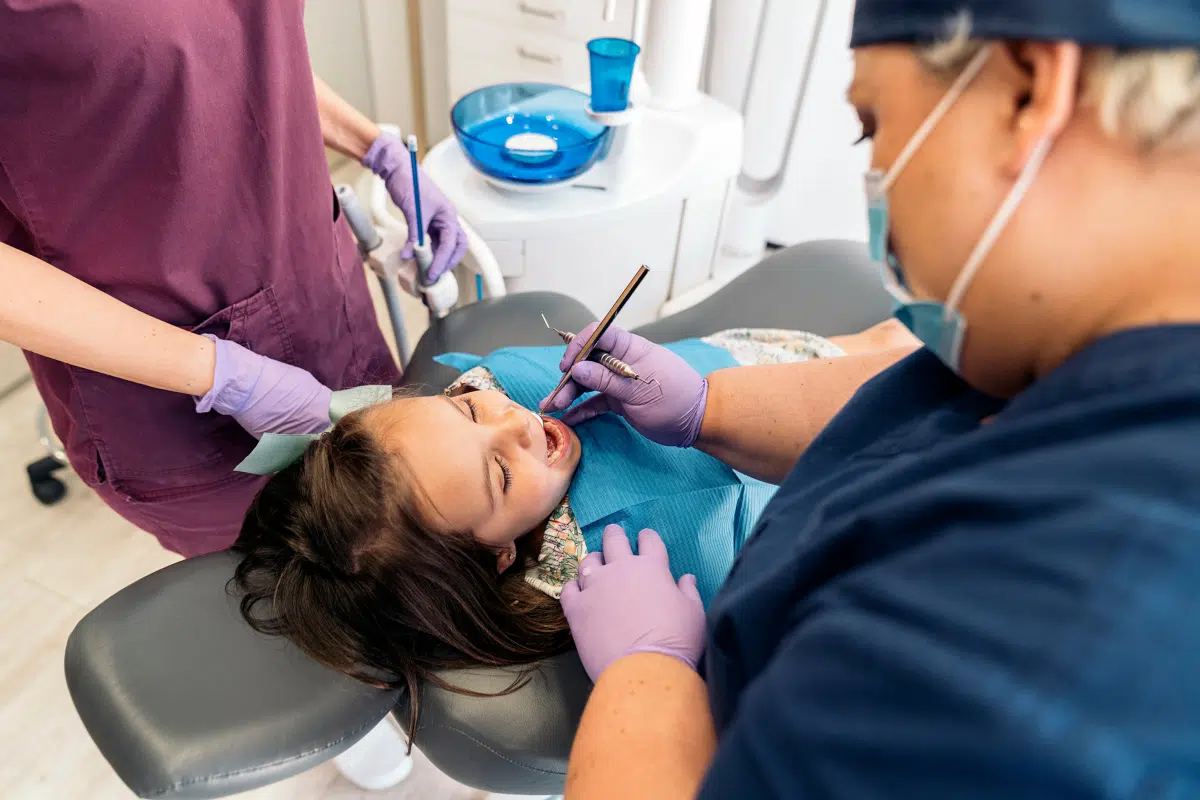
How Modern Dental Practices Improve Patient Comfort and Safety

March 5, 2026
Featured image for “How Modern Dental Practices Improve Patient Comfort and Safety”

If you have ever put off a dental visit because of fear, pain, or just not knowing what to expect, you are not alone. Many patients who visit a dentist in Syracuse feel the same way before their first appointment. But dental care has changed a great deal over the past decade. Practices today are built around one goal: making your visit safe, comfortable, and as stress-free as possible.

At Downtown Dental Syracuse, patients come in with all kinds of concerns, from simple cleanings to more complex issues they have been ignoring for months. Dr. Tyler Mead and Dr. Chris Zimmerman work with each person to understand their concerns, explain what is going on, and offer clear treatment options. This post covers how modern dental care is putting patients first, and what that means for you.

What Has Changed in Patient-Centered Dental Care

The old image of a dentist’s office, bright lights, loud drills, and a long wait in a stiff chair, is mostly a thing of the past. Modern practices focus on reducing patient anxiety from the moment you walk in the door.

Today’s dental offices use tools like digital X-rays, which cut down radiation exposure by up to 90 percent compared to older film-based methods. Intraoral cameras let patients see exactly what the dentist sees on a screen, which removes the guesswork and helps people feel more informed. Comfort measures like topical numbing gels, warm blankets, and noise-canceling options are also common.

These changes are not just about comfort. They make the process faster and more accurate, which leads to better outcomes for the patient.

Common Dental Problems Patients Bring to the Office

Dental teams in the Syracuse area see patients regularly who have waited too long to address a problem. Common concerns include:

• Tooth pain or sensitivity that has been going on for weeks

• Cracked or chipped teeth from everyday wear or injury

• Bleeding or swollen gums, often an early sign of gum disease

• Missing teeth and interest in implants or dentures

• Old fillings or crowns that need to be replaced

Many people in the community have also come in after reading local news reports about the rise in untreated dental decay among adults. According to local health data, a growing number of Central New York residents are skipping routine dental care due to cost concerns or dental anxiety. The result is that small problems become bigger ones over time.

That is why access to a trusted dentist in Syracuse matters. Catching a small cavity early is far less involved than treating a tooth that has become infected.

Safety Standards That Protect Every Patient

Safety in a dental office goes beyond clean tools and gloves. Modern practices follow strict infection control guidelines set by the Centers for Disease Control and Prevention (CDC) and the Occupational Safety and Health Administration (OSHA). Here is what that looks like in practice:

• All instruments are sterilized in an autoclave after every use

• Disposable items like needles and gloves are used once and discarded

• Surfaces are disinfected between every patient

• Air purification systems help maintain clean air in the treatment rooms

These steps are standard across good dental practices, and they matter. Patients who know what is being done to protect them feel more confident sitting in the chair.

How Technology Makes Dental Visits Less Stressful

One of the biggest advances in patient comfort is the use of technology that speeds things up and reduces the need for repeat visits. Patients no longer have to wait two weeks to get a crown made at an outside lab. Same-day or next-day restorations are now possible with CAD/CAM technology in many offices.

Digital scans replace traditional molds that many people find uncomfortable. A small wand is passed over the teeth to create a 3D model in seconds. No gagging, no waiting for the mold to set.

For patients who need X-rays, digital imaging produces instant results on a screen that both the dentist and patient can look at together. This makes it easier to understand what the dentist is seeing and why a certain treatment is recommended.

Addressing Dental Anxiety: You Are Not Alone

Dental anxiety is real and very common. Studies show that nearly one in three adults avoids the dentist due to fear. This fear often has roots in a past experience, or simply the unknown.

Modern dental practices address this in several ways. Sedation dentistry, which may include nitrous oxide (laughing gas) or oral sedation, allows patients to stay calm and relaxed during procedures. The patient remains conscious and can respond to the dentist, but the anxiety is reduced enough to get through the appointment.

For those who do not need sedation, clear communication from the dental team makes a big difference. Knowing what is going to happen, and having a signal (like raising a hand) to pause at any time, gives patients a sense of control.

Why Preventive Care Saves You Time and Money

The single most cost-effective thing you can do for your dental health is show up for your regular cleanings and checkups. Twice a year is the standard recommendation, and it exists for a good reason. During a routine visit, the hygienist removes buildup that regular brushing cannot reach. The dentist checks for early signs of decay, gum disease, and in some cases, oral cancer. Catching these issues early means simpler, less costly treatment.

Many patients who visit a local dentist after a long gap are surprised to learn that their small, manageable issues have grown into something that now requires more time and expense to fix. Preventive care breaks that cycle.

Take the First Step Toward Better Oral Health

Dental care today is built around your comfort, your safety, and your time. Whether you have a specific problem to address or you simply want to get back on a regular care schedule, the right dental team will meet you where you are and guide you forward. If you have been searching for a dentist syracuse ny office that combines modern tools with a caring approach, Downtown Dental Syracuse is here for you. Dr. Tyler Mead and Dr. Chris Zimmerman are committed to giving every patient clear information and gentle care from start to finish.

Take a moment to schedule a consultation with Downtown Dental Syracuse today. Whether you are dealing with a dental concern that has been on your mind or you just want a routine checkup, our team is ready to help. Contact our Downtown Dental dental office to book your appointment and take that first step toward a healthier smile.

Frequently Asked Questions

1. How often should I visit the dentist for a checkup?

Most adults and children benefit from a dental visit every six months. This allows the team to catch small issues before they grow into bigger problems. Some patients with gum disease or a history of cavities may need to come in more often.

2. Is dental X-ray radiation safe?

Yes. Digital X-rays used in modern dental offices expose patients to a very small amount of radiation, much less than traditional film X-rays. Protective aprons are also used during the process. The diagnostic benefit far outweighs the minimal risk.

3. What can I do if I have dental anxiety?

Talk to your dental team before your appointment. Many offices offer options like nitrous oxide (laughing gas) to help you relax. Knowing what to expect during each step of a procedure also reduces fear. You can also ask for a signal to pause whenever you need a break.

4. How do I know if I have gum disease?

Common signs include gums that bleed when you brush or floss, swollen or tender gum tissue, and persistent bad breath. In more advanced cases, you may notice gum recession or loose teeth. A routine dental exam can detect gum disease early, often before symptoms become obvious.

5. What happens during a root canal procedure?

A root canal removes infected tissue from inside a tooth to save it from extraction. The area is numbed first so you should not feel pain during the procedure. Once the tissue is removed, the tooth is cleaned, filled, and typically capped with a crown. Most patients are surprised by how manageable the experience is compared to what they expected.

6. Are same-day dental restorations available?

In many modern dental offices, yes. CAD/CAM technology allows dentists to design, mill, and place a permanent crown in a single visit. This saves patients from wearing a temporary crown for weeks and making a second trip back to the office.

7. How do I choose the right dentist for my family?

Look for a practice where the dentists have experience treating patients of different ages and with different needs. Read reviews, ask about the technology used in the office, and pay attention to how the staff communicates. A good dental team will answer your questions clearly and never make you feel rushed.

8. What should I do if I have a dental emergency?

If you have sudden tooth pain, a broken tooth, or a lost filling, contact a dental office as soon as possible. Many practices keep time slots available for urgent cases. Do not wait, since dental emergencies can worsen quickly if left untreated.


Share:
March 5, 2026

If you have ever put off a dental visit because of fear, pain, or just not knowing what to expect, you are not alone. Many patients who visit a dentist in Syracuse feel the same way before their first appointment. But dental care has changed a great deal over the past decade. Practices today are built around one goal: making your visit safe, comfortable, and as stress-free as possible.

At Downtown Dental Syracuse, patients come in with all kinds of concerns, from simple cleanings to more complex issues they have been ignoring for months. Dr. Tyler Mead and Dr. Chris Zimmerman work with each person to understand their concerns, explain what is going on, and offer clear treatment options. This post covers how modern dental care is putting patients first, and what that means for you.

What Has Changed in Patient-Centered Dental Care

The old image of a dentist’s office, bright lights, loud drills, and a long wait in a stiff chair, is mostly a thing of the past. Modern practices focus on reducing patient anxiety from the moment you walk in the door.

Today’s dental offices use tools like digital X-rays, which cut down radiation exposure by up to 90 percent compared to older film-based methods. Intraoral cameras let patients see exactly what the dentist sees on a screen, which removes the guesswork and helps people feel more informed. Comfort measures like topical numbing gels, warm blankets, and noise-canceling options are also common.

These changes are not just about comfort. They make the process faster and more accurate, which leads to better outcomes for the patient.

Common Dental Problems Patients Bring to the Office

Dental teams in the Syracuse area see patients regularly who have waited too long to address a problem. Common concerns include:

• Tooth pain or sensitivity that has been going on for weeks

• Cracked or chipped teeth from everyday wear or injury

• Bleeding or swollen gums, often an early sign of gum disease

• Missing teeth and interest in implants or dentures

• Old fillings or crowns that need to be replaced

Many people in the community have also come in after reading local news reports about the rise in untreated dental decay among adults. According to local health data, a growing number of Central New York residents are skipping routine dental care due to cost concerns or dental anxiety. The result is that small problems become bigger ones over time.

That is why access to a trusted dentist in Syracuse matters. Catching a small cavity early is far less involved than treating a tooth that has become infected.

Safety Standards That Protect Every Patient

Safety in a dental office goes beyond clean tools and gloves. Modern practices follow strict infection control guidelines set by the Centers for Disease Control and Prevention (CDC) and the Occupational Safety and Health Administration (OSHA). Here is what that looks like in practice:

• All instruments are sterilized in an autoclave after every use

• Disposable items like needles and gloves are used once and discarded

• Surfaces are disinfected between every patient

• Air purification systems help maintain clean air in the treatment rooms

These steps are standard across good dental practices, and they matter. Patients who know what is being done to protect them feel more confident sitting in the chair.

How Technology Makes Dental Visits Less Stressful

One of the biggest advances in patient comfort is the use of technology that speeds things up and reduces the need for repeat visits. Patients no longer have to wait two weeks to get a crown made at an outside lab. Same-day or next-day restorations are now possible with CAD/CAM technology in many offices.

Digital scans replace traditional molds that many people find uncomfortable. A small wand is passed over the teeth to create a 3D model in seconds. No gagging, no waiting for the mold to set.

For patients who need X-rays, digital imaging produces instant results on a screen that both the dentist and patient can look at together. This makes it easier to understand what the dentist is seeing and why a certain treatment is recommended.

Addressing Dental Anxiety: You Are Not Alone

Dental anxiety is real and very common. Studies show that nearly one in three adults avoids the dentist due to fear. This fear often has roots in a past experience, or simply the unknown.

Modern dental practices address this in several ways. Sedation dentistry, which may include nitrous oxide (laughing gas) or oral sedation, allows patients to stay calm and relaxed during procedures. The patient remains conscious and can respond to the dentist, but the anxiety is reduced enough to get through the appointment.

For those who do not need sedation, clear communication from the dental team makes a big difference. Knowing what is going to happen, and having a signal (like raising a hand) to pause at any time, gives patients a sense of control.

Why Preventive Care Saves You Time and Money

The single most cost-effective thing you can do for your dental health is show up for your regular cleanings and checkups. Twice a year is the standard recommendation, and it exists for a good reason. During a routine visit, the hygienist removes buildup that regular brushing cannot reach. The dentist checks for early signs of decay, gum disease, and in some cases, oral cancer. Catching these issues early means simpler, less costly treatment.

Many patients who visit a local dentist after a long gap are surprised to learn that their small, manageable issues have grown into something that now requires more time and expense to fix. Preventive care breaks that cycle.

Take the First Step Toward Better Oral Health

Dental care today is built around your comfort, your safety, and your time. Whether you have a specific problem to address or you simply want to get back on a regular care schedule, the right dental team will meet you where you are and guide you forward. If you have been searching for a dentist syracuse ny office that combines modern tools with a caring approach, Downtown Dental Syracuse is here for you. Dr. Tyler Mead and Dr. Chris Zimmerman are committed to giving every patient clear information and gentle care from start to finish.

Take a moment to schedule a consultation with Downtown Dental Syracuse today. Whether you are dealing with a dental concern that has been on your mind or you just want a routine checkup, our team is ready to help. Contact our Downtown Dental dental office to book your appointment and take that first step toward a healthier smile.

Frequently Asked Questions

1. How often should I visit the dentist for a checkup?

Most adults and children benefit from a dental visit every six months. This allows the team to catch small issues before they grow into bigger problems. Some patients with gum disease or a history of cavities may need to come in more often.

2. Is dental X-ray radiation safe?

Yes. Digital X-rays used in modern dental offices expose patients to a very small amount of radiation, much less than traditional film X-rays. Protective aprons are also used during the process. The diagnostic benefit far outweighs the minimal risk.

3. What can I do if I have dental anxiety?

Talk to your dental team before your appointment. Many offices offer options like nitrous oxide (laughing gas) to help you relax. Knowing what to expect during each step of a procedure also reduces fear. You can also ask for a signal to pause whenever you need a break.

4. How do I know if I have gum disease?

Common signs include gums that bleed when you brush or floss, swollen or tender gum tissue, and persistent bad breath. In more advanced cases, you may notice gum recession or loose teeth. A routine dental exam can detect gum disease early, often before symptoms become obvious.

5. What happens during a root canal procedure?

A root canal removes infected tissue from inside a tooth to save it from extraction. The area is numbed first so you should not feel pain during the procedure. Once the tissue is removed, the tooth is cleaned, filled, and typically capped with a crown. Most patients are surprised by how manageable the experience is compared to what they expected.

6. Are same-day dental restorations available?

In many modern dental offices, yes. CAD/CAM technology allows dentists to design, mill, and place a permanent crown in a single visit. This saves patients from wearing a temporary crown for weeks and making a second trip back to the office.

7. How do I choose the right dentist for my family?

Look for a practice where the dentists have experience treating patients of different ages and with different needs. Read reviews, ask about the technology used in the office, and pay attention to how the staff communicates. A good dental team will answer your questions clearly and never make you feel rushed.

8. What should I do if I have a dental emergency?

If you have sudden tooth pain, a broken tooth, or a lost filling, contact a dental office as soon as possible. Many practices keep time slots available for urgent cases. Do not wait, since dental emergencies can worsen quickly if left untreated.


Share: