315-422-0894


How Often Should You Replace Your Toothbrush? Complete Dentist Guide for Better Oral Health
August 19, 2025
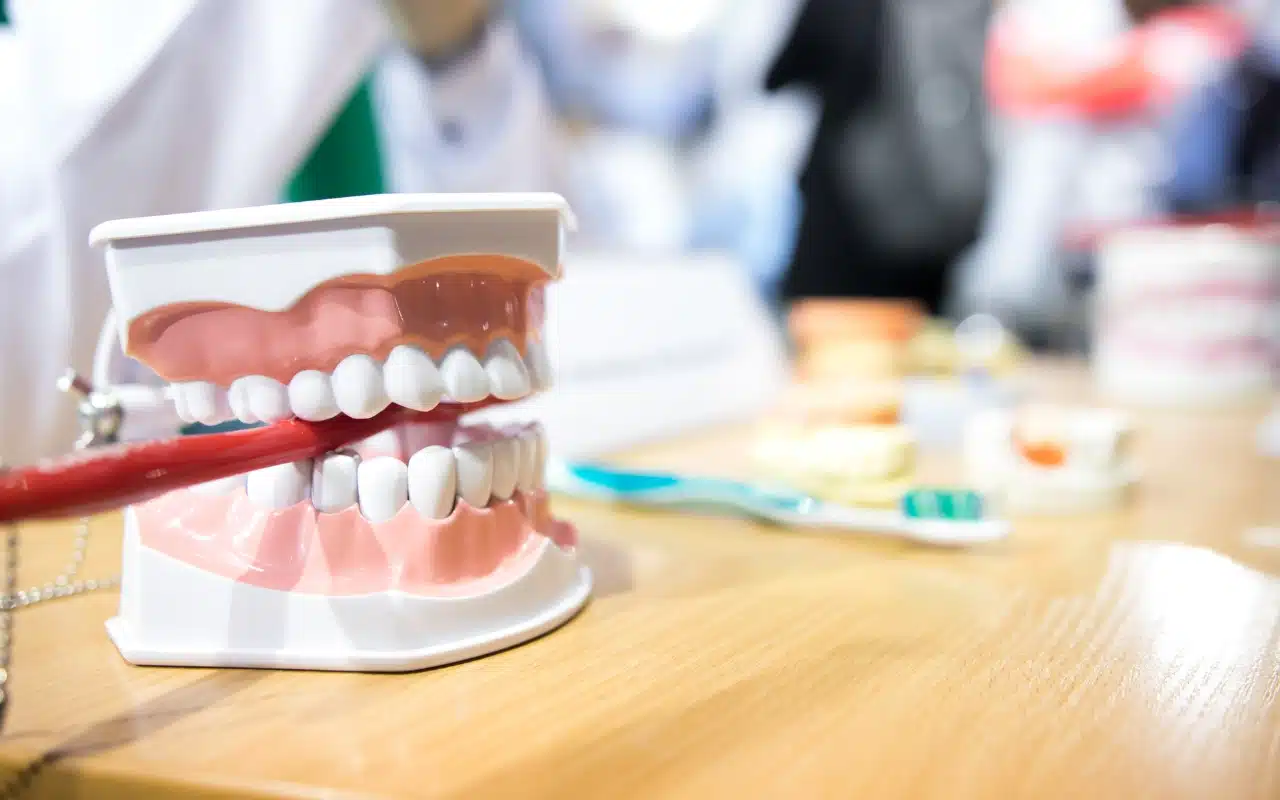
Most people replace their smartphones every few years but keep using the same toothbrush for months without a second thought. If you’re wondering when to swap out that faithful dental tool, you’re asking the right question. Your toothbrush plays a key role in keeping your mouth healthy, and knowing when to replace it can make a real difference in your oral care routine.
The Golden Rule: Every Three to Four Months
The American Dental Association recommends replacing your toothbrush every three to four months. This timeline isn’t random. After regular use, toothbrush bristles start to fray and bend, losing their ability to clean your teeth properly.
Think of it like a broom. When the bristles are straight and firm, they sweep dirt away easily. But once they start to curl and split, they just push dirt around instead of picking it up. Your toothbrush works the same way. Fresh bristles remove plaque and bacteria better than worn ones.
Warning Signs It’s Time for a New Toothbrush
Sometimes your toothbrush needs replacing before the three-month mark. Here are clear signs to watch for:
Frayed bristles are the most obvious signal. If the bristles look bent, splayed, or worn down, your toothbrush can’t do its job well.
After being sick is another key time to replace your toothbrush. Bacteria and viruses can live on bristles, potentially causing you to get sick again. Many dentist in syracuse offices recommend tossing your toothbrush after recovering from any illness.
Bad odor or discoloration means bacteria have built up on your toothbrush. Even with proper rinsing and storage, toothbrushes can harbor germs over time.
Why Fresh Toothbrushes Matter for Your Health
Using an old toothbrush is like trying to clean with a dirty rag. The Centers for Disease Control and Prevention notes that proper oral hygiene prevents serious health problems beyond just cavities.
Worn bristles can’t remove plaque from hard-to-reach spots between your teeth and along your gum line. This buildup can lead to gum disease, tooth decay, and even heart problems. Research shows links between poor oral health and conditions like diabetes and heart disease.
Fresh bristles also massage your gums gently, improving blood flow and keeping gum tissue healthy. Old, hard bristles can actually hurt your gums and cause them to recede.
Special Cases When You Need to Replace More Often
Some situations call for more frequent toothbrush changes:
If you have gum disease or other oral health issues, your dentist near me might suggest changing your toothbrush every month. Diseased gums need extra gentle care, and fresh bristles provide that.
People with weakened immune systems should replace toothbrushes more often to avoid reinfection from bacteria that builds up on bristles.
After dental procedures like tooth extractions or deep cleanings, a new toothbrush helps prevent irritating sensitive areas.
Electric vs. Manual Toothbrush Replacement
Electric toothbrush heads need replacing just as often as manual toothbrushes. The same three to four-month rule applies. Many electric toothbrush heads have colored bristles that fade when it’s time to replace them.
Don’t forget to clean the handle of your electric toothbrush regularly too. Bacteria can build up there as well.
How to Make Your Toothbrush Last
While you should still replace your toothbrush regularly, proper care can help it work better for longer:
Rinse thoroughly after each use to remove toothpaste and debris. Shake off excess water and store upright so it can air dry.
Keep it separate from other toothbrushes to prevent cross-contamination. If family members’ toothbrushes touch, bacteria can spread between them.
Avoid covers while the bristles are still wet. Enclosed wet bristles create the perfect environment for bacteria and mold to grow.
The Cost of Skipping Replacements
A new toothbrush costs just a few dollars, but skipping replacements can lead to expensive dental problems. The National Institute of Dental and Craniofacial Research shows that preventive care costs much less than treating advanced dental problems.
Gum disease treatment, root canals, and tooth replacements can cost hundreds or thousands of dollars. Compare that to spending $12-20 per year on new toothbrushes.
Making Replacement a Habit
The easiest way to remember toothbrush replacement is to tie it to something you already do regularly. Some people change toothbrushes when they change their clocks for daylight saving time. Others do it at the start of each season.
You can also set reminders on your phone or write replacement dates on your calendar. Many dentist in syracuse practices give out free toothbrushes during checkups, which happen about every six months.
Choosing Your Next Toothbrush
When shopping for a replacement, stick with soft bristles. The American Academy of Periodontology recommends soft bristles for most people because they clean well without damaging teeth or gums.
Look for the ADA seal of acceptance on the package. This means the toothbrush meets safety and effectiveness standards.
The size and shape of the head matter too. Choose one that fits comfortably in your mouth and can reach all your teeth easily.
Don’t Wait for Warning Signs
Your oral health depends on more than just brushing twice a day. Using a toothbrush with effective bristles is just as important as your brushing technique. Don’t wait until your toothbrush looks obviously worn out.
Regular dental checkups help catch problems early, but daily care with proper tools prevents many issues from starting. When you search for a dentist near me, ask about the best oral care routine for your specific needs.
Make toothbrush replacement part of your regular health routine, just like taking vitamins or getting enough sleep. Your teeth, gums, and wallet will thank you for this simple habit that pays big dividends in better oral health.
Schedule a consultation with a local dental clinic to discuss your specific oral health needs. A professional assessment can help you understand the best replacement schedule for your situation and catch any early signs of dental problems.