
How to Prevent Cavities Naturally: Diet, Habits, and Daily Care Tips

April 22, 2026
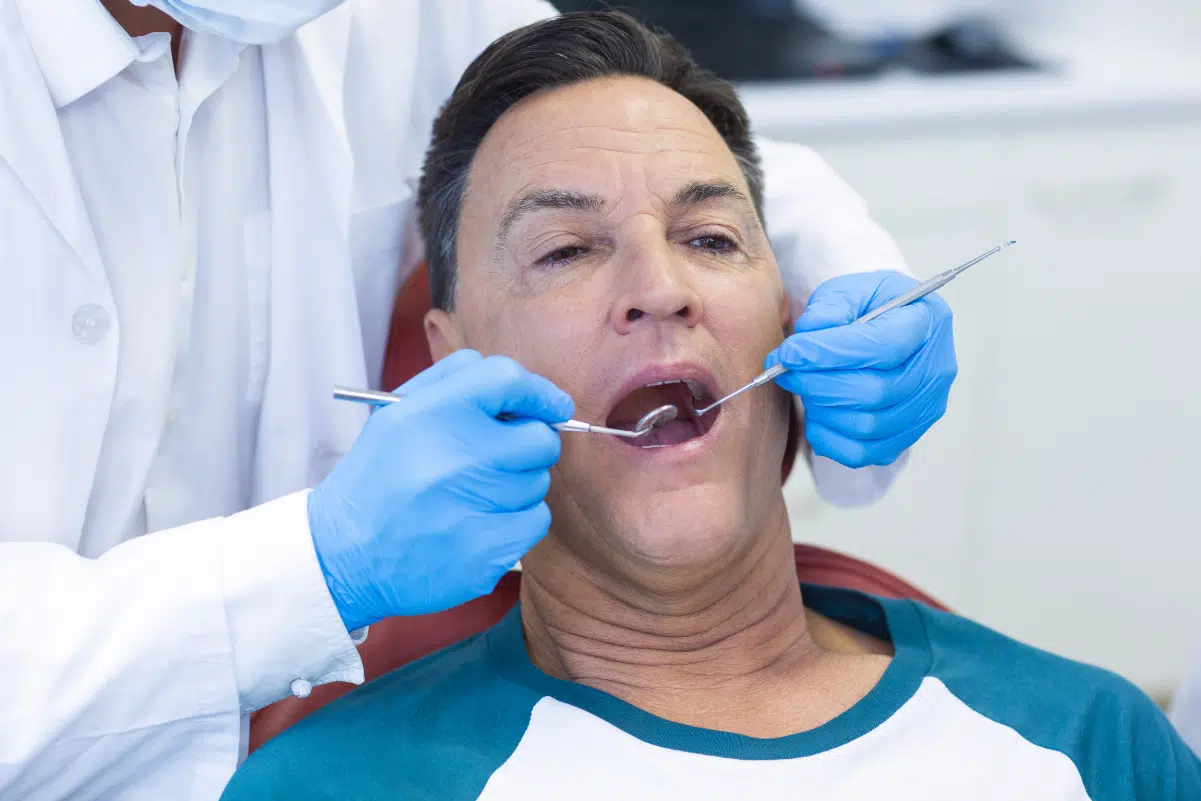
Featured image for “How to Prevent Cavities Naturally: Diet, Habits, and Daily Care Tips”

Cavities are one of the most common dental problems in the country, but most of them are entirely preventable. Small changes to what you eat and how you care for your teeth each day make a big difference over time.

At Down Town Dental Syracuse, we see patients every week who wish they had started better habits sooner. The good news is that it is never too late to protect your teeth. Whether you are dealing with early signs of decay or you simply want to stay ahead of problems, this guide covers what actually works.

If you have been searching for a dentist in syracuse who takes a practical approach to prevention, this post is a great place to start.

What Causes Cavities in the First Place?

Cavities form when bacteria in your mouth feed on sugar and produce acid. That acid slowly wears away the hard outer layer of your teeth, called enamel. Over time, a small hole forms. Left untreated, it grows deeper and can reach the sensitive inner layers of the tooth.

The process is gradual, which is why many people do not notice a cavity until it causes pain. Regular checkups with a dentist in syracuse help catch these problems before they become serious.

Foods That Protect Your Teeth

What you eat has a direct effect on your teeth. Some foods actually help protect enamel, while others make your teeth more vulnerable to decay.

Foods to Eat More Of

Cheese and dairy raise the pH in your mouth and provide calcium that helps rebuild enamel.

Leafy greens are high in calcium and folic acid, which may also reduce gum inflammation.

Crunchy fruits and vegetables like apples, carrots, and celery help scrub teeth and keep saliva flowing.

Fluoridated water found in most tap water, helps prevent decay throughout the day.

Foods to Cut Back On

Sugary drinks like soda, juice, and sports drinks are one of the biggest causes of decay.

Sticky sweets like gummy candy and dried fruit cling to teeth and feed bacteria for a long time.

Starchy snacks like chips and white bread break down into sugar quickly inside your mouth.

Acidic foods and drinks weaken enamel over time, especially when consumed often throughout the day.

You do not need to cut out every treat. Timing matters too. Snacking all day keeps acid levels high in your mouth. Eating sweets with meals is easier on your teeth than snacking on them between meals.

Daily Habits That Make a Real Difference

Good oral hygiene does not have to be complicated. A few consistent habits go a long way.

Brush the Right Way

Brush twice a day for two full minutes each time. Use a soft-bristled toothbrush and fluoride toothpaste. Hold the brush at a slight angle toward the gumline and use gentle circular motions. Hard scrubbing can wear down enamel and irritate your gums.

Floss Every Day

Brushing only cleans about 60% of your tooth surface. Floss reaches the spaces between teeth where bacteria hide. If traditional floss is hard to use, floss picks or water flossers work just as well for most people.

Use Mouthwash at the Right Time

An antibacterial or fluoride mouthwash adds another layer of protection. Use it at a separate time from brushing so it does not wash away the toothpaste residue sitting on your teeth.

Stay Hydrated Throughout the Day

Dry mouth is a real risk factor for cavities. Saliva helps neutralize acid and wash away food particles. Drinking water throughout the day keeps saliva flowing. If you take medications that cause dry mouth, ask our team about ways to manage it.

Natural Approaches Worth Knowing About

Some natural habits support dental health, though they work best alongside regular brushing and professional dental visits.

Oil Pulling

Oil pulling with coconut oil for 10 to 15 minutes may help reduce certain bacteria in the mouth. It is not a replacement for brushing, but some people find it a helpful addition to their routine.

Xylitol Gum and Mints

Xylitol is a natural sugar found in some gums and mints. It does not feed decay-causing bacteria the same way regular sugar does. Chewing xylitol gum after meals can help reduce acid buildup between brushing sessions.

Green Tea

Green tea contains compounds that may reduce bacterial growth in the mouth. Drinking plain green tea without added sugar is a simple daily habit that benefits your teeth over time.

Cutting Back on Acidic Drinks

Limiting acidic drinks like citrus juice and sparkling water, especially between meals, protects enamel from gradual erosion over the long term.

These approaches are helpful, but they do not replace professional care. If you have not seen a dentist in syracuse in the past six months, it is a good time to book a checkup.

Why Professional Cleanings Still Matter

Even with the best home care routine, tartar builds up in places your brush cannot reach. Once tartar forms, only a professional cleaning can remove it. If left in place, it leads to gum disease and deeper decay.

Professional cleanings also let your dentist apply fluoride treatments and check for early signs of problems that you might not notice on your own. Catching a cavity at its earliest stage means a smaller filling, less cost, and no discomfort.

If you have been looking for a dentist near me who makes cleanings comfortable and straightforward, our team at Down Town Dental Syracuse is happy to help.

Frequently Asked Questions

1. How often should I get a dental checkup?

Most adults benefit from a checkup and cleaning every six months. Some people with a higher risk of cavities or gum disease may need to come in more often. Your dentist can tell you what schedule works best for your situation.

2. Can you reverse a cavity without a filling?

Very early-stage decay, sometimes called a pre-cavity or white spot lesion, can sometimes be reversed with fluoride treatments, improved brushing, and diet changes. Once a cavity has formed a hole in the enamel, it needs to be treated by a dental professional.

3. Is fluoride toothpaste safe to use every day?

Yes. Fluoride toothpaste is safe for daily use by adults and children over age two. It is one of the most effective tools for cavity prevention. Use a pea-sized amount for children and a full strip for adults.

4. What is the best time to brush my teeth?

Brush once in the morning and once before bed. Brushing before bed is especially important because it removes food and bacteria that would otherwise sit on your teeth overnight. After eating something acidic, wait about 30 minutes before brushing so you are not spreading softened enamel around.

5. Does diet soda cause cavities?

Diet soda does not contain sugar, but it is still acidic. Regular consumption can erode enamel over time. Water is always the better choice for your teeth. If you do drink diet soda, using a straw and rinsing with water afterward helps reduce contact with your teeth.

6. Why do my teeth feel sensitive after eating sweets?

Sensitivity to sweets can be a sign of enamel erosion or early decay. When enamel thins, the inner layer of the tooth becomes more exposed to temperature and sugar. If you notice this regularly, it is worth having your teeth checked.

7. Are sealants a good option for preventing cavities?

Dental sealants are a thin coating painted onto the chewing surfaces of back teeth. They block bacteria and food from settling into the grooves where cavities most often form. They are especially useful for children, but adults who have cavity-prone back teeth can also benefit from them.

8. How can I tell if I already have a cavity?

Some cavities cause no symptoms at all, especially in the early stages. Others cause tooth sensitivity, mild pain when biting, or a visible dark spot on the tooth. The only reliable way to know for sure is an exam with X-rays. That is another reason regular checkups are so important.

Conclusion

Preventing cavities comes down to consistent habits: eating less sugar, brushing and flossing every day, staying hydrated, and keeping up with professional cleanings. None of these steps are difficult on their own. The challenge is doing them regularly.

If you are looking for a dentist near me who can build a prevention plan around your specific needs, we are here for that. Whether you are starting fresh or just want to make sure you are on the right track, our team at Down Town Dental Syracuse is ready to help.

Take the next step and schedule a consultation with Down Town Dental Syracuse to get a full picture of your oral health. Small actions now save a lot of time, money, and discomfort later. You can always contact our Down Town Dental Syracuse office with any questions before your visit. We make it easy to get started.


Share:
April 22, 2026

Cavities are one of the most common dental problems in the country, but most of them are entirely preventable. Small changes to what you eat and how you care for your teeth each day make a big difference over time.

At Down Town Dental Syracuse, we see patients every week who wish they had started better habits sooner. The good news is that it is never too late to protect your teeth. Whether you are dealing with early signs of decay or you simply want to stay ahead of problems, this guide covers what actually works.

If you have been searching for a dentist in syracuse who takes a practical approach to prevention, this post is a great place to start.

What Causes Cavities in the First Place?

Cavities form when bacteria in your mouth feed on sugar and produce acid. That acid slowly wears away the hard outer layer of your teeth, called enamel. Over time, a small hole forms. Left untreated, it grows deeper and can reach the sensitive inner layers of the tooth.

The process is gradual, which is why many people do not notice a cavity until it causes pain. Regular checkups with a dentist in syracuse help catch these problems before they become serious.

Foods That Protect Your Teeth

What you eat has a direct effect on your teeth. Some foods actually help protect enamel, while others make your teeth more vulnerable to decay.

Foods to Eat More Of

Cheese and dairy raise the pH in your mouth and provide calcium that helps rebuild enamel.

Leafy greens are high in calcium and folic acid, which may also reduce gum inflammation.

Crunchy fruits and vegetables like apples, carrots, and celery help scrub teeth and keep saliva flowing.

Fluoridated water found in most tap water, helps prevent decay throughout the day.

Foods to Cut Back On

Sugary drinks like soda, juice, and sports drinks are one of the biggest causes of decay.

Sticky sweets like gummy candy and dried fruit cling to teeth and feed bacteria for a long time.

Starchy snacks like chips and white bread break down into sugar quickly inside your mouth.

Acidic foods and drinks weaken enamel over time, especially when consumed often throughout the day.

You do not need to cut out every treat. Timing matters too. Snacking all day keeps acid levels high in your mouth. Eating sweets with meals is easier on your teeth than snacking on them between meals.

Daily Habits That Make a Real Difference

Good oral hygiene does not have to be complicated. A few consistent habits go a long way.

Brush the Right Way

Brush twice a day for two full minutes each time. Use a soft-bristled toothbrush and fluoride toothpaste. Hold the brush at a slight angle toward the gumline and use gentle circular motions. Hard scrubbing can wear down enamel and irritate your gums.

Floss Every Day

Brushing only cleans about 60% of your tooth surface. Floss reaches the spaces between teeth where bacteria hide. If traditional floss is hard to use, floss picks or water flossers work just as well for most people.

Use Mouthwash at the Right Time

An antibacterial or fluoride mouthwash adds another layer of protection. Use it at a separate time from brushing so it does not wash away the toothpaste residue sitting on your teeth.

Stay Hydrated Throughout the Day

Dry mouth is a real risk factor for cavities. Saliva helps neutralize acid and wash away food particles. Drinking water throughout the day keeps saliva flowing. If you take medications that cause dry mouth, ask our team about ways to manage it.

Natural Approaches Worth Knowing About

Some natural habits support dental health, though they work best alongside regular brushing and professional dental visits.

Oil Pulling

Oil pulling with coconut oil for 10 to 15 minutes may help reduce certain bacteria in the mouth. It is not a replacement for brushing, but some people find it a helpful addition to their routine.

Xylitol Gum and Mints

Xylitol is a natural sugar found in some gums and mints. It does not feed decay-causing bacteria the same way regular sugar does. Chewing xylitol gum after meals can help reduce acid buildup between brushing sessions.

Green Tea

Green tea contains compounds that may reduce bacterial growth in the mouth. Drinking plain green tea without added sugar is a simple daily habit that benefits your teeth over time.

Cutting Back on Acidic Drinks

Limiting acidic drinks like citrus juice and sparkling water, especially between meals, protects enamel from gradual erosion over the long term.

These approaches are helpful, but they do not replace professional care. If you have not seen a dentist in syracuse in the past six months, it is a good time to book a checkup.

Why Professional Cleanings Still Matter

Even with the best home care routine, tartar builds up in places your brush cannot reach. Once tartar forms, only a professional cleaning can remove it. If left in place, it leads to gum disease and deeper decay.

Professional cleanings also let your dentist apply fluoride treatments and check for early signs of problems that you might not notice on your own. Catching a cavity at its earliest stage means a smaller filling, less cost, and no discomfort.

If you have been looking for a dentist near me who makes cleanings comfortable and straightforward, our team at Down Town Dental Syracuse is happy to help.

Frequently Asked Questions

1. How often should I get a dental checkup?

Most adults benefit from a checkup and cleaning every six months. Some people with a higher risk of cavities or gum disease may need to come in more often. Your dentist can tell you what schedule works best for your situation.

2. Can you reverse a cavity without a filling?

Very early-stage decay, sometimes called a pre-cavity or white spot lesion, can sometimes be reversed with fluoride treatments, improved brushing, and diet changes. Once a cavity has formed a hole in the enamel, it needs to be treated by a dental professional.

3. Is fluoride toothpaste safe to use every day?

Yes. Fluoride toothpaste is safe for daily use by adults and children over age two. It is one of the most effective tools for cavity prevention. Use a pea-sized amount for children and a full strip for adults.

4. What is the best time to brush my teeth?

Brush once in the morning and once before bed. Brushing before bed is especially important because it removes food and bacteria that would otherwise sit on your teeth overnight. After eating something acidic, wait about 30 minutes before brushing so you are not spreading softened enamel around.

5. Does diet soda cause cavities?

Diet soda does not contain sugar, but it is still acidic. Regular consumption can erode enamel over time. Water is always the better choice for your teeth. If you do drink diet soda, using a straw and rinsing with water afterward helps reduce contact with your teeth.

6. Why do my teeth feel sensitive after eating sweets?

Sensitivity to sweets can be a sign of enamel erosion or early decay. When enamel thins, the inner layer of the tooth becomes more exposed to temperature and sugar. If you notice this regularly, it is worth having your teeth checked.

7. Are sealants a good option for preventing cavities?

Dental sealants are a thin coating painted onto the chewing surfaces of back teeth. They block bacteria and food from settling into the grooves where cavities most often form. They are especially useful for children, but adults who have cavity-prone back teeth can also benefit from them.

8. How can I tell if I already have a cavity?

Some cavities cause no symptoms at all, especially in the early stages. Others cause tooth sensitivity, mild pain when biting, or a visible dark spot on the tooth. The only reliable way to know for sure is an exam with X-rays. That is another reason regular checkups are so important.

Conclusion

Preventing cavities comes down to consistent habits: eating less sugar, brushing and flossing every day, staying hydrated, and keeping up with professional cleanings. None of these steps are difficult on their own. The challenge is doing them regularly.

If you are looking for a dentist near me who can build a prevention plan around your specific needs, we are here for that. Whether you are starting fresh or just want to make sure you are on the right track, our team at Down Town Dental Syracuse is ready to help.

Take the next step and schedule a consultation with Down Town Dental Syracuse to get a full picture of your oral health. Small actions now save a lot of time, money, and discomfort later. You can always contact our Down Town Dental Syracuse office with any questions before your visit. We make it easy to get started.


Share: