
• /

Understanding the Link Between Invisalign and Gum Recession

February 24, 2025
Featured image for “Understanding the Link Between Invisalign and Gum Recession”

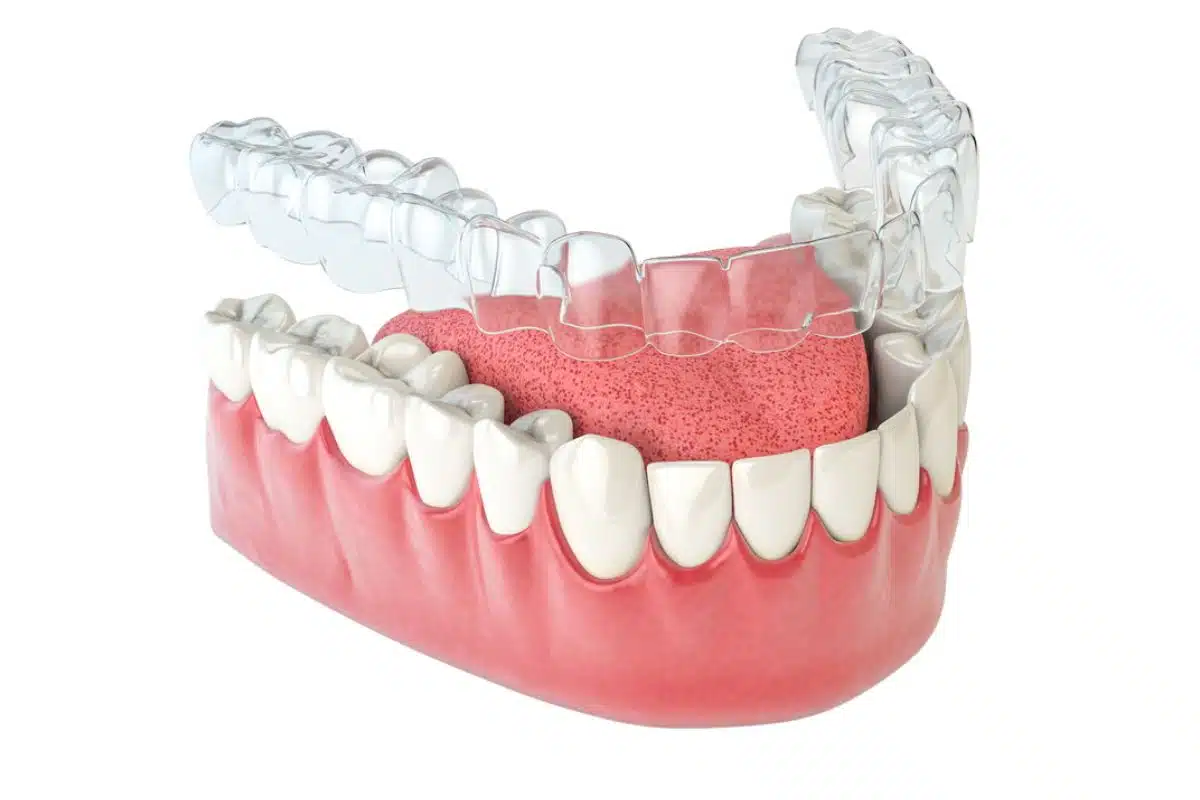
Invisalign is a popular orthodontic treatment that straightens teeth discreetly using clear aligners. Many patients choose Invisalign over traditional braces for its convenience and aesthetics. However, some may wonder whether Invisalign contributes to gum recession. Let’s explore the connection between Invisalign and gum health to help you make an informed decision.

What Causes Gum Recession?

Gum recession occurs when the gum tissue surrounding the teeth wears away or pulls back, exposing more of the tooth or its root. If left untreated, this condition can lead to tooth sensitivity, increased risk of decay, and even tooth loss. Common causes of gum recession include:

  • Genetics – Some individuals are more prone to gum recession due to inherited factors.
  • Poor Oral Hygiene – Inadequate brushing and flossing can lead to plaque buildup and gum disease.
  • Aggressive Brushing – Brushing too hard or using a hard-bristled toothbrush can wear down gum tissue.
  • Teeth Grinding (Bruxism) – Excessive grinding can pressure gums, causing them to recede.
  • Misalignment Issues – Teeth that are not correctly aligned may exert uneven pressure on the gums.

Does Invisalign Cause Gum Recession?

Invisalign itself does not directly cause gum recession. However, certain factors related to orthodontic treatment can contribute to gum issues if not managed properly:

1. Movement of Teeth

Invisalign aligners shift teeth gradually, and in some cases, this movement may lead to minor gum recession. This is more likely if the teeth are moved significantly or the patient has a gum recession history.

2. Oral Hygiene Challenges

While Invisalign allows for easier brushing and flossing compared to traditional braces, some patients may neglect proper oral hygiene due to the removable nature of the aligners. Failing to clean teeth thoroughly can lead to plaque buildup, possibly contributing to gum disease and recession.

3. Pre-existing Gum Issues

If a patient already has mild gum disease or gum recession before starting Invisalign treatment, the movement of teeth may exacerbate the condition. A thorough dental evaluation is essential before beginning any orthodontic treatment.

How to Protect Your Gums During Invisalign Treatment?

To minimize the risk of gum recession while using Invisalign, follow these tips:

  • Maintain Excellent Oral Hygiene – Brush and floss regularly to prevent plaque buildup. Consider using an antibacterial mouthwash for added protection.
  • Use a Soft-Bristled Toothbrush – Avoid aggressive brushing to prevent gum irritation.
  • Attend Regular Dental Checkups – Your dentist can monitor your gum health and address concerns early.
  • Wear Your Aligners as Directed – Proper use ensures a smooth, controlled movement of teeth, reducing unnecessary pressure on the gums.
  • Address Teeth Grinding – If you grind your teeth, discuss it with your dentist to prevent further gum damage.

Concerned About Gum Recession and Invisalign?

If you’re considering Invisalign and have concerns about gum recession, our experienced team is here to help. We’ll evaluate your oral health and develop a personalized treatment plan to ensure the best results. Maintaining healthy gums is essential for a successful Invisalign journey. You can achieve a straight smile without compromising gum health with proper care and guidance. Request an appointment today to get started!


Share:
  • /
February 24, 2025

Invisalign is a popular orthodontic treatment that straightens teeth discreetly using clear aligners. Many patients choose Invisalign over traditional braces for its convenience and aesthetics. However, some may wonder whether Invisalign contributes to gum recession. Let’s explore the connection between Invisalign and gum health to help you make an informed decision.

What Causes Gum Recession?

Gum recession occurs when the gum tissue surrounding the teeth wears away or pulls back, exposing more of the tooth or its root. If left untreated, this condition can lead to tooth sensitivity, increased risk of decay, and even tooth loss. Common causes of gum recession include:

  • Genetics – Some individuals are more prone to gum recession due to inherited factors.
  • Poor Oral Hygiene – Inadequate brushing and flossing can lead to plaque buildup and gum disease.
  • Aggressive Brushing – Brushing too hard or using a hard-bristled toothbrush can wear down gum tissue.
  • Teeth Grinding (Bruxism) – Excessive grinding can pressure gums, causing them to recede.
  • Misalignment Issues – Teeth that are not correctly aligned may exert uneven pressure on the gums.

Does Invisalign Cause Gum Recession?

Invisalign itself does not directly cause gum recession. However, certain factors related to orthodontic treatment can contribute to gum issues if not managed properly:

1. Movement of Teeth

Invisalign aligners shift teeth gradually, and in some cases, this movement may lead to minor gum recession. This is more likely if the teeth are moved significantly or the patient has a gum recession history.

2. Oral Hygiene Challenges

While Invisalign allows for easier brushing and flossing compared to traditional braces, some patients may neglect proper oral hygiene due to the removable nature of the aligners. Failing to clean teeth thoroughly can lead to plaque buildup, possibly contributing to gum disease and recession.

3. Pre-existing Gum Issues

If a patient already has mild gum disease or gum recession before starting Invisalign treatment, the movement of teeth may exacerbate the condition. A thorough dental evaluation is essential before beginning any orthodontic treatment.

How to Protect Your Gums During Invisalign Treatment?

To minimize the risk of gum recession while using Invisalign, follow these tips:

  • Maintain Excellent Oral Hygiene – Brush and floss regularly to prevent plaque buildup. Consider using an antibacterial mouthwash for added protection.
  • Use a Soft-Bristled Toothbrush – Avoid aggressive brushing to prevent gum irritation.
  • Attend Regular Dental Checkups – Your dentist can monitor your gum health and address concerns early.
  • Wear Your Aligners as Directed – Proper use ensures a smooth, controlled movement of teeth, reducing unnecessary pressure on the gums.
  • Address Teeth Grinding – If you grind your teeth, discuss it with your dentist to prevent further gum damage.

Concerned About Gum Recession and Invisalign?

If you’re considering Invisalign and have concerns about gum recession, our experienced team is here to help. We’ll evaluate your oral health and develop a personalized treatment plan to ensure the best results. Maintaining healthy gums is essential for a successful Invisalign journey. You can achieve a straight smile without compromising gum health with proper care and guidance. Request an appointment today to get started!


Share: