
• /

Is Invisalign Different from Other Teeth Straightening Options?

September 16, 2025
Featured image for “Is Invisalign Different from Other Teeth Straightening Options?”

Choosing the right teeth straightening treatment can feel overwhelming with so many options available today. If you’ve been searching for a dentist near me to discuss alignment solutions, you’ve likely heard about Invisalign. But how does it really compare to traditional braces and other orthodontic treatments?

Let’s break down the key differences to help you make an informed decision about your smile.

What Makes Invisalign Unique?

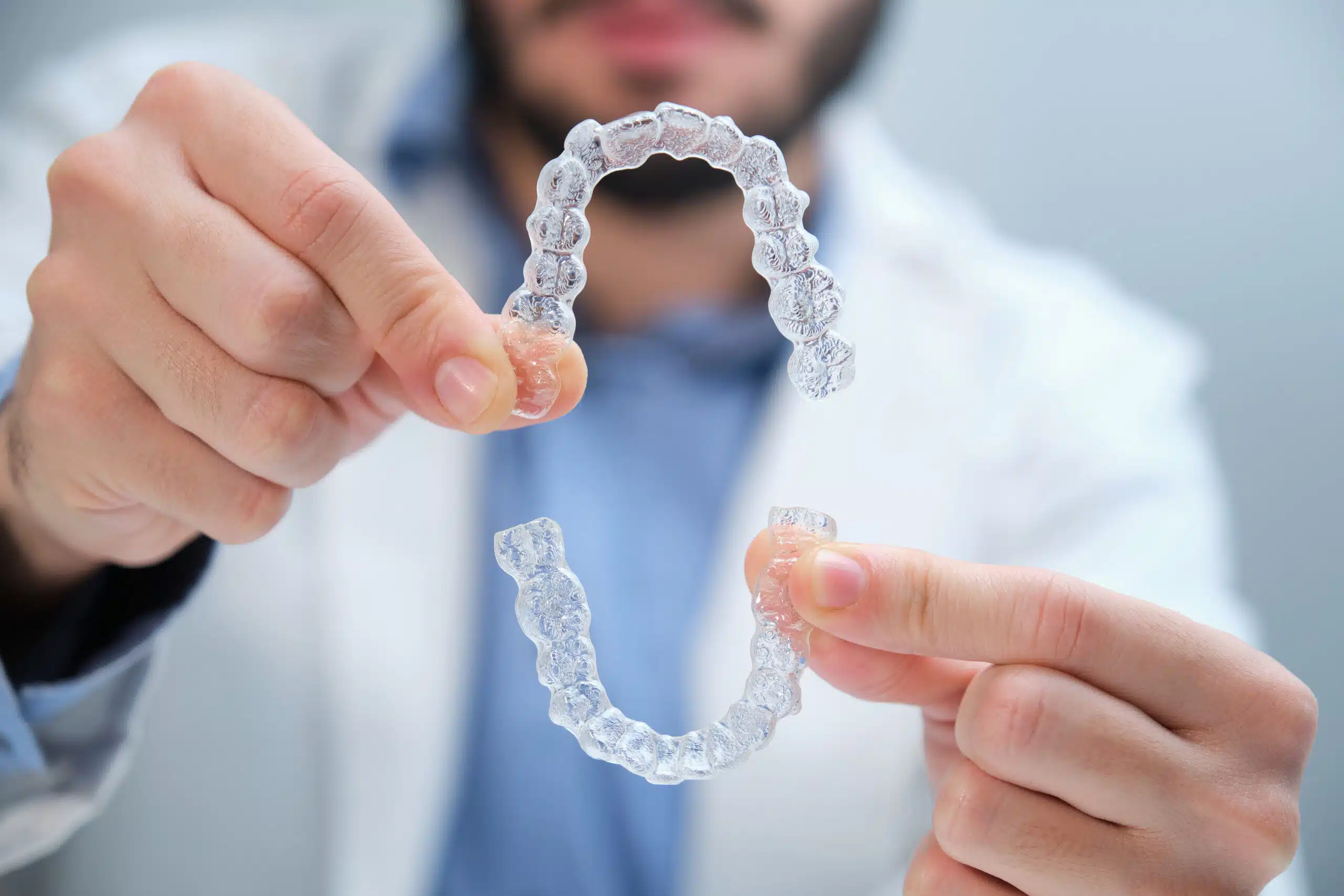
Invisalign uses a series of clear, removable plastic aligners custom-made for your teeth. Unlike metal braces, these aligners are nearly invisible when worn. Each set gradually moves your teeth into the desired position over time.

The treatment process begins with digital scans or impressions of your teeth. Computer technology creates a 3D model showing how your teeth will move throughout treatment. This allows you to see your expected results before starting.

Traditional Braces vs Invisalign: The Core Differences

Appearance and Visibility

Traditional metal braces use brackets and wires that are clearly visible when you smile or talk. Ceramic braces offer a less noticeable option with tooth-colored brackets, but they’re still more visible than Invisalign.

Invisalign aligners are made from clear plastic material that makes them almost invisible. Most people won’t notice you’re wearing them during normal conversation.

Comfort and Convenience

Metal braces can cause mouth irritation from brackets and wires. Adjustments may cause temporary discomfort as teeth shift.

Invisalign aligners are smooth and custom-fitted, reducing the risk of cuts or sores in your mouth. Since you change aligners every one to two weeks, the pressure is more gradual and often more comfortable.

Eating and Drinking Restrictions

Braces come with a long list of foods to avoid. Hard, sticky, or chewy foods can damage brackets or get stuck in wires. You’ll need to skip popcorn, caramel, nuts, and many other favorites.

With Invisalign, you remove the aligners when eating or drinking anything other than water. This means no food restrictions and easier meal times.

How Do Other Clear Aligner Options Compare?

Several companies now offer clear aligner treatments similar to Invisalign. Some focus on minor corrections and offer at-home treatment options without regular dental visits.

However, Invisalign has the longest track record and most extensive research backing its effectiveness. The treatment is always supervised by licensed dental professionals, ensuring proper monitoring and adjustments when needed.

When considering Invisalign Syracuse doctors, look for experienced orthodontists or dentist near me who have completed specialized training in this treatment method.

Common FAQs: Invisalign

1. How long does Invisalign treatment take?

Treatment time varies based on your specific needs, but most cases take 12 to 18 months. Simple corrections may take as little as six months, while complex cases might require up to two years.

2. Can Invisalign fix severe orthodontic problems?

Invisalign can treat many orthodontic issues, including crowded teeth, gaps, overbites, underbites, and crossbites. However, severe cases may still require traditional braces for the best results.

3. How much does Invisalign cost compared to braces?

Invisalign typically costs between $3,000 and $8,000, similar to traditional braces. Many dental insurance plans cover orthodontic treatment regardless of the method chosen.

4. Do you have to wear Invisalign aligners all day?

Yes, aligners should be worn 20 to 22 hours daily for effective results. You only remove them for eating, drinking (except water), brushing, and flossing.

5. What happens if you lose an Invisalign tray?

Contact your dental provider immediately. They may advise wearing your previous tray or moving to the next one, depending on your treatment stage. Replacement trays can be ordered if necessary.

6. Can teenagers use Invisalign?

Invisalign Teen is specifically designed for younger patients. It includes features like compliance indicators and allows for growing teeth. However, teens must be responsible enough to wear aligners consistently.

7. Are there any side effects with Invisalign?

Most people experience mild discomfort when switching to new aligners. Temporary lisping may occur initially. These effects usually disappear within a few days.

Making the Right Choice for Your Smile

The best teeth straightening option depends on your specific needs, lifestyle, and preferences. Consider these factors:

  • Severity of alignment issues: Complex cases may require traditional braces
  • Age and responsibility level: Removable aligners require discipline to wear consistently
  • Professional requirements: Jobs requiring frequent public speaking may benefit from invisible treatment
  • Budget and insurance coverage: Compare costs and what your plan covers
  • Treatment timeline: Discuss expected duration with your dental provider

Ready to Transform Your Smile?

Choosing between Invisalign and other orthodontic treatments is an important decision that affects both your oral health and daily life. The best approach is to contact with a qualified dental professional who can evaluate your specific situation.

Schedule a consultation wixth an experienced orthodontist or dentist near me today. They’ll examine your teeth, discuss your goals, and recommend the most effective treatment option for your unique needs. During this visit, ask about payment plans, insurance coverage, and what to expect throughout your treatment journey.

Your perfect smile is within reach. Take the first step by booking your orthodontic consultation and discovering which teeth straightening option will work best for you.


Share:
  • /
September 16, 2025

Choosing the right teeth straightening treatment can feel overwhelming with so many options available today. If you’ve been searching for a dentist near me to discuss alignment solutions, you’ve likely heard about Invisalign. But how does it really compare to traditional braces and other orthodontic treatments?

Let’s break down the key differences to help you make an informed decision about your smile.

What Makes Invisalign Unique?

Invisalign uses a series of clear, removable plastic aligners custom-made for your teeth. Unlike metal braces, these aligners are nearly invisible when worn. Each set gradually moves your teeth into the desired position over time.

The treatment process begins with digital scans or impressions of your teeth. Computer technology creates a 3D model showing how your teeth will move throughout treatment. This allows you to see your expected results before starting.

Traditional Braces vs Invisalign: The Core Differences

Appearance and Visibility

Traditional metal braces use brackets and wires that are clearly visible when you smile or talk. Ceramic braces offer a less noticeable option with tooth-colored brackets, but they’re still more visible than Invisalign.

Invisalign aligners are made from clear plastic material that makes them almost invisible. Most people won’t notice you’re wearing them during normal conversation.

Comfort and Convenience

Metal braces can cause mouth irritation from brackets and wires. Adjustments may cause temporary discomfort as teeth shift.

Invisalign aligners are smooth and custom-fitted, reducing the risk of cuts or sores in your mouth. Since you change aligners every one to two weeks, the pressure is more gradual and often more comfortable.

Eating and Drinking Restrictions

Braces come with a long list of foods to avoid. Hard, sticky, or chewy foods can damage brackets or get stuck in wires. You’ll need to skip popcorn, caramel, nuts, and many other favorites.

With Invisalign, you remove the aligners when eating or drinking anything other than water. This means no food restrictions and easier meal times.

How Do Other Clear Aligner Options Compare?

Several companies now offer clear aligner treatments similar to Invisalign. Some focus on minor corrections and offer at-home treatment options without regular dental visits.

However, Invisalign has the longest track record and most extensive research backing its effectiveness. The treatment is always supervised by licensed dental professionals, ensuring proper monitoring and adjustments when needed.

When considering Invisalign Syracuse doctors, look for experienced orthodontists or dentist near me who have completed specialized training in this treatment method.

Common FAQs: Invisalign

1. How long does Invisalign treatment take?

Treatment time varies based on your specific needs, but most cases take 12 to 18 months. Simple corrections may take as little as six months, while complex cases might require up to two years.

2. Can Invisalign fix severe orthodontic problems?

Invisalign can treat many orthodontic issues, including crowded teeth, gaps, overbites, underbites, and crossbites. However, severe cases may still require traditional braces for the best results.

3. How much does Invisalign cost compared to braces?

Invisalign typically costs between $3,000 and $8,000, similar to traditional braces. Many dental insurance plans cover orthodontic treatment regardless of the method chosen.

4. Do you have to wear Invisalign aligners all day?

Yes, aligners should be worn 20 to 22 hours daily for effective results. You only remove them for eating, drinking (except water), brushing, and flossing.

5. What happens if you lose an Invisalign tray?

Contact your dental provider immediately. They may advise wearing your previous tray or moving to the next one, depending on your treatment stage. Replacement trays can be ordered if necessary.

6. Can teenagers use Invisalign?

Invisalign Teen is specifically designed for younger patients. It includes features like compliance indicators and allows for growing teeth. However, teens must be responsible enough to wear aligners consistently.

7. Are there any side effects with Invisalign?

Most people experience mild discomfort when switching to new aligners. Temporary lisping may occur initially. These effects usually disappear within a few days.

Making the Right Choice for Your Smile

The best teeth straightening option depends on your specific needs, lifestyle, and preferences. Consider these factors:

  • Severity of alignment issues: Complex cases may require traditional braces
  • Age and responsibility level: Removable aligners require discipline to wear consistently
  • Professional requirements: Jobs requiring frequent public speaking may benefit from invisible treatment
  • Budget and insurance coverage: Compare costs and what your plan covers
  • Treatment timeline: Discuss expected duration with your dental provider

Ready to Transform Your Smile?

Choosing between Invisalign and other orthodontic treatments is an important decision that affects both your oral health and daily life. The best approach is to contact with a qualified dental professional who can evaluate your specific situation.

Schedule a consultation wixth an experienced orthodontist or dentist near me today. They’ll examine your teeth, discuss your goals, and recommend the most effective treatment option for your unique needs. During this visit, ask about payment plans, insurance coverage, and what to expect throughout your treatment journey.

Your perfect smile is within reach. Take the first step by booking your orthodontic consultation and discovering which teeth straightening option will work best for you.


Share: