

Nurturing Little Smiles: Your Guide to Pediatric Dental Care in Syracuse, NY
July 11, 2025
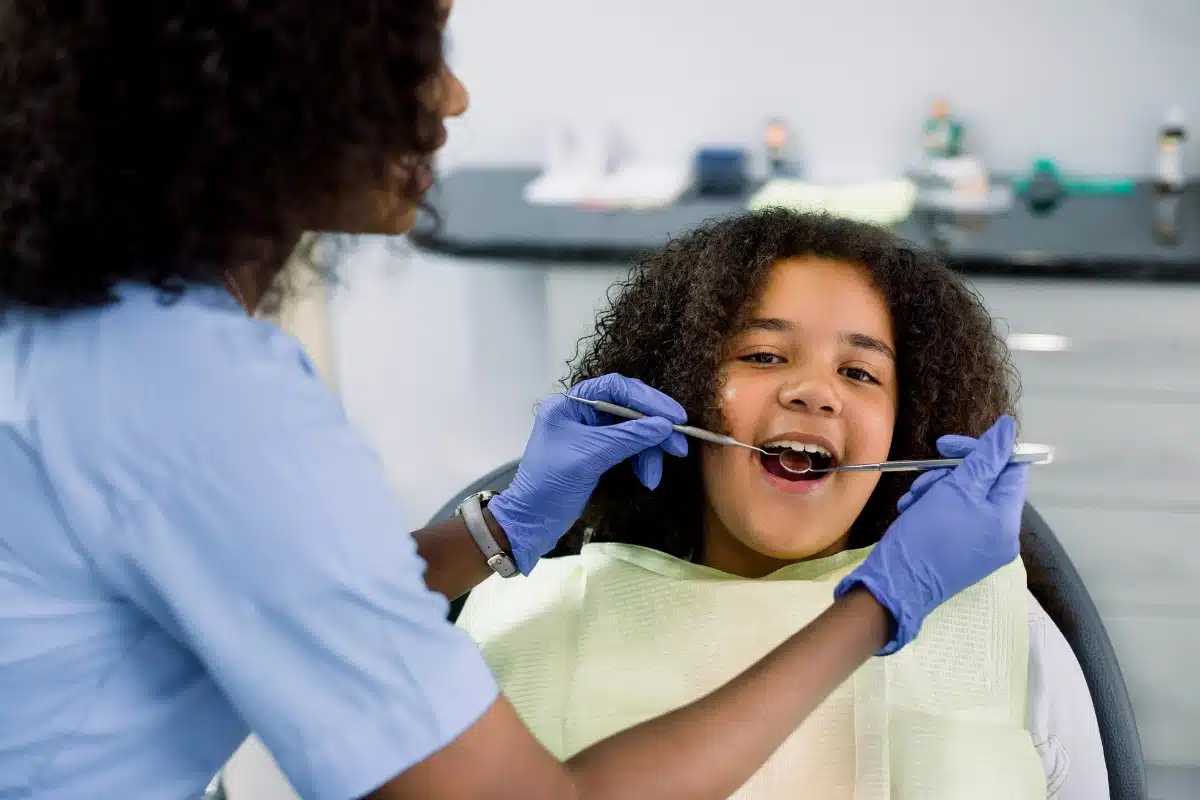
A child’s smile is one of life’s purest joys. As parents, nurturing that smile begins early—well before the first tooth emerges. Pediatric dental care goes beyond preventing cavities; it’s a long-term commitment to your child’s overall health, confidence, and well-being. Whether you’re a new parent or searching for a more child-centered dental approach, this guide will help you understand what to expect, when to start, and how to make dental visits positive and stress-free.
Why Pediatric Dental Care Matters
Baby teeth may be temporary, but their impact is long-term. These teeth play a crucial role in helping your child speak clearly, chew properly, and maintain space for permanent teeth. Ignoring early dental care can lead to more than just cavities—it can cause developmental issues and long-term oral health complications.
A pediatric dentist isn’t just a regular dentist who treats kids; they specialize in children’s unique dental needs, from infancy through adolescence. They understand how to keep children calm, explain procedures in kid-friendly terms, and spot early signs of potential problems like misalignment or enamel defects.
When to Schedule the First Dental Visit
Many parents wonder when their child should see the dentist for the first time. The American Academy of Pediatric Dentistry recommends scheduling a visit by the child’s first birthday or within six months of their first tooth erupting—whichever comes first.
Early dental visits allow the pediatric dentist to assess your child’s oral development, gently clean teeth, and provide guidance for brushing, teething, and diet. These early experiences also help build familiarity, so future visits feel routine rather than scary.
What to Expect at the Appointment
During your first visit to a pediatric dentist in Syracuse, NY, you can expect a warm, welcoming environment designed with children in mind. Bright colors, fun decorations, and a friendly team all help set the tone.
The first appointment typically includes:
- A gentle oral exam
- Education on proper brushing and flossing
- Tips on pacifier use and thumb-sucking habits
- Nutritional counseling to prevent cavities
- A discussion about future milestones, such as losing baby teeth
As your child grows, the dental team will begin taking X-rays and monitoring development to catch issues early, such as bite misalignment or weak enamel.
Building Healthy Habits at Home
The most effective pediatric dental care starts at home. Here are a few simple ways to support your child’s oral health daily:
1. Brush and Floss Together
Children learn by watching you. Brushing together twice a day creates a sense of routine and shows them oral hygiene is important for everyone.
2. Use the Right Tools
Choose a soft-bristled toothbrush sized for your child’s age, and use a small smear of fluoride toothpaste once the first tooth appears. For children under 3, use no more than a grain of rice-sized amount of toothpaste; for ages 3–6, a pea-sized amount is perfect.
3. Limit Sugary Snacks
Sugar fuels the bacteria that cause tooth decay. Minimize juice, sticky snacks, and sugary cereals. Encourage water and tooth-friendly options like cheese, apples, and yogurt.
4. Make Flossing Fun
Once your child has two teeth that touch, it’s time to start flossing. Use colorful flossers to make the process more engaging.
5. Create a Reward System
Sticker charts or small rewards for good brushing can build motivation and make dental hygiene something to look forward to.
Common Pediatric Dental Concerns
Every child is different, but some dental concerns are common across the board:
- Tooth decay: Even toddlers can develop cavities, especially if they use bottles or sippy cups frequently with sugary liquids.
- Thumb sucking: This is natural in infants, but if it continues past age 4, it may affect tooth alignment.
- Dental anxiety: A good pediatric dentist in Syracuse will use behavior techniques to help ease anxiety and make visits enjoyable.
- Tooth injuries: Accidents happen, especially with active kids. A pediatric dental office can handle everything from chipped teeth to sports-related injuries.
Choosing the Right Pediatric Dentist in Syracuse, NY
When searching for a pediatric dentist in Syracuse, NY, look for a practice that combines professional care with a child-focused approach. Consider asking the following questions:
- Do they have experience treating children of all ages?
- Is the office atmosphere welcoming and kid-friendly?
- Do they explain procedures in an age-appropriate way?
- Are parents encouraged to be involved during visits?
A strong dentist-patient relationship begins with trust. When children feel safe and understood, they’re far more likely to develop a lifelong comfort with dental care.
Dental Emergencies: What Parents Should Know
Dental emergencies can be stressful, but knowing how to respond makes all the difference. Here’s what to do in some common situations:
- Knocked-out tooth: Keep it moist (in milk or saliva) and visit the dentist immediately.
- Cracked tooth: Rinse the mouth and apply a cold compress. Schedule a dental visit as soon as possible.
- Toothache: Gently clean the area, floss to remove debris, and use a cold compress. Avoid aspirin directly on the gums.
If your child has a dental emergency, don’t hesitate to call your pediatric dental provider. Prompt care can prevent further issues and ease discomfort quickly.
Caring for your child’s smile from the very beginning lays the foundation for lifelong oral health. From baby teeth to braces, each stage of development is important, and having the right support can make all the difference. By choosing a pediatric dentist who understands children’s unique needs, you’re not just preventing cavities—you’re helping your child build strong habits, confidence, and lasting comfort with dental care.
Frequently Asked Questions
Question 1: Do you brush baby teeth with toothpaste?
Yes, you should brush baby teeth with toothpaste. Use a smear of fluoride toothpaste (about the size of a grain of rice) as soon as the first tooth appears.
Question 2: What is the 2 2 2 rule for brushing teeth?
The 2-2-2 rule for brushing means brushing your teeth 2 times a day, for 2 minutes each time, and visiting the dentist 2 times a year for checkups and cleanings.
Question 3: Is it better to use mouthwash before or after brushing teeth?
It’s best to use mouthwash after brushing to maximize fluoride protection and ensure your mouth stays fresher longer.