
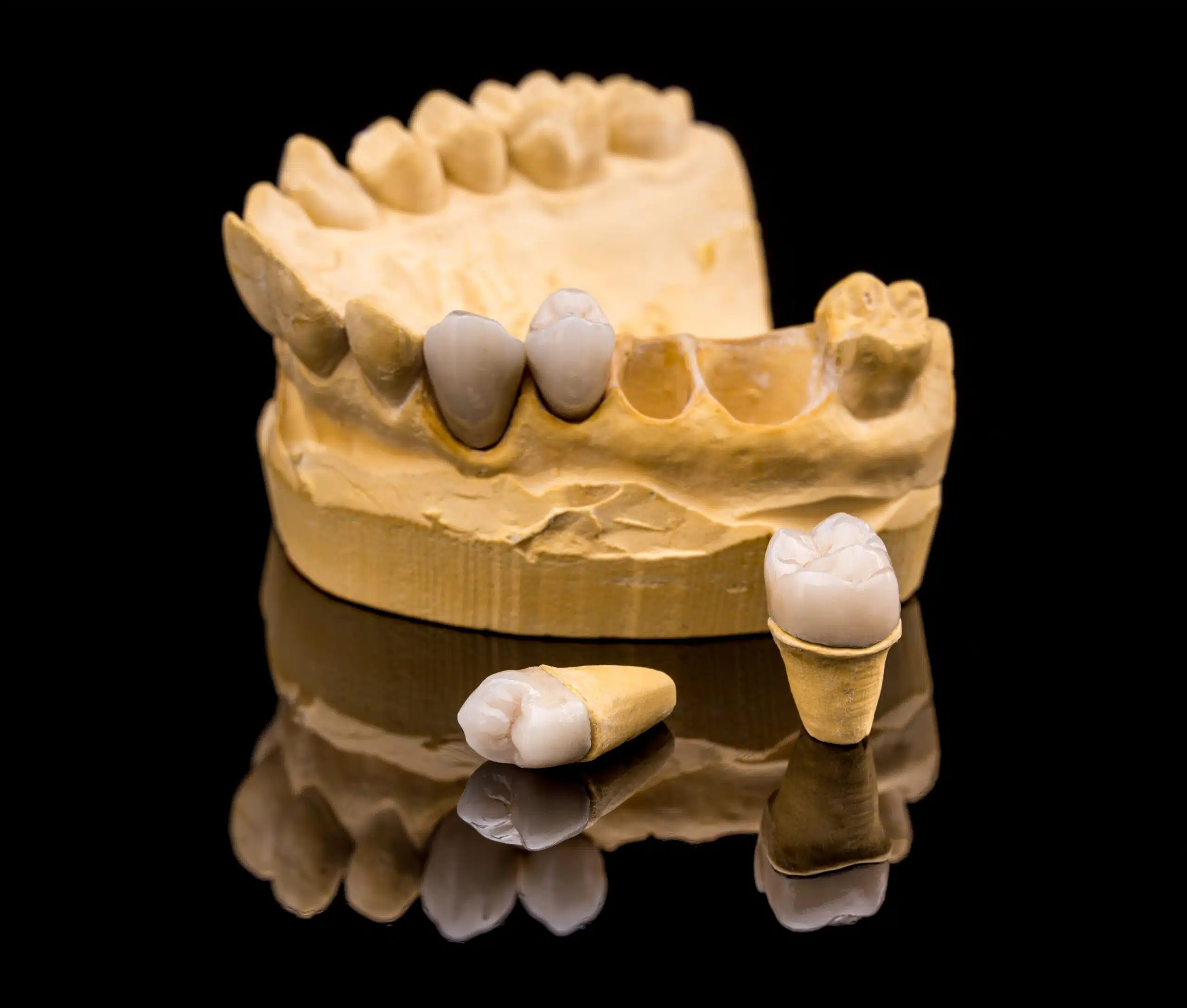
Is Replacing a New Dental Crown Painful? A Complete Dentist Guide

September 11, 2024
Featured image for “Is Replacing a New Dental Crown Painful? A Complete Dentist Guide”

If you’ve been told that you need to replace a dental crown, you might be wondering how uncomfortable the process will be. It’s a common question patients ask, especially if they’ve had a tough dental experience in the past. The good news is that replacing a dental crown is usually a smooth and painless procedure.

Let’s look at what really happens, why it’s needed, and what you can expect before, during, and after your visit.

What Happens During a Crown Replacement

Understanding the process can ease most fears. According to the American Dental Association, replacing a crown is a lot simpler than getting your first one.

Initial Examination

Your dentist will start with an exam and possibly X-rays to check the condition of the tooth and the old crown.

Removing the Old Crown

The old crown is gently loosened and lifted off. This step is not painful because your tooth and gums are numbed with a local anesthetic.

Checking the Tooth

Once the crown is removed, your dentist inspects the natural tooth underneath. If there’s decay or damage, it will be cleaned and reshaped before placing the new crown.

Taking Impressions

The dentist then takes impressions of your tooth to ensure the new crown fits perfectly. Some clinics use digital scanners instead of putty molds, making this step quicker and more comfortable. Many modern offices offering dental crowns syracuse patients trust now use this advanced scanning technology.

Placing a Temporary Crown

You’ll wear a temporary crown while the permanent one is being made. This protects your tooth and keeps your bite normal.

Fitting the New Crown

Once ready, the new crown is cemented in place. Your dentist checks your bite and makes small adjustments if needed.

Reasons for Replacing a Dental Crown

1. Wear and Tear: Like natural teeth, crowns can wear down over time, especially if you grind your teeth or chew on hard objects.

2. Damage or Breakage: A crown can crack or chip, compromising its function and appearance.

3. Decay: Decay can develop around the edges of the crown, necessitating its replacement to prevent further damage.

4. Gum Recession: As gums recede, the crown may become exposed, affecting its fit and potentially leading to discomfort.

5. Cosmetic Concerns: Some people choose to replace crowns for cosmetic reasons, such as discoloration or to match newer restorations.

Is the Procedure Painful?

Most patients report feeling little to no pain during a crown replacement. Local anesthesia keeps the area completely numb while your dentist works. You may feel slight pressure or vibrations, but not pain. After the procedure, mild soreness or sensitivity is normal for a day or two, especially if the tooth needed cleaning or reshaping. Over-the-counter pain relievers and gentle brushing usually take care of this.

If pain lingers or increases, contact your dentist near me right away. Persistent discomfort could mean the crown needs a minor adjustment.

How Long Does It Take to Replace a Dental Crown?

Replacing a crown typically takes two appointments: one for removing the old crown and preparing the tooth, and one for placing the new one. Each visit usually lasts about an hour. Some modern dental offices can complete the entire process in a single day using same-day crown technology. Many practices offering dental crowns syracuse services now have this advanced equipment available.

What About After the Numbing Wears Off?

This is when most people feel something. But it’s usually mild.

Your tooth might feel tender or sensitive for a few days. Think of it like soreness, not sharp pain. Over-the-counter pain medicine takes care of it for most people. If your tooth needed extra work before the new crown, you might feel a bit more. Still manageable though.

Caring for Your New Crown

After the replacement, keeping the area clean is key to preventing future problems. Here’s what your dentist will likely recommend:

  • Brush twice a day with a soft-bristled toothbrush
  • Floss gently around the crown to remove trapped food
  • Avoid chewing hard foods or ice
  • Visit your dentist regularly for cleanings and checkups

Following these steps will help your new dental crown last for many years.

Tips for Managing Soreness

Eat soft foods. Soup, yogurt, and mashed potatoes are your friends on day one.

Take ibuprofen. Follow the bottle directions. It works well for dental soreness.

Skip extreme temperatures. Hot coffee or ice cream might bother your tooth at first.

Rinse with salt water. Half a teaspoon in warm water. Swish gently a few times a day.

Why Modern Crown Replacement Is Easier

Dental tools have gotten better. Techniques have improved. If you search dentist near me today, you’re getting care that’s far more comfortable than it was years ago.

Plus, your tooth already had a crown before. The heavy work happened back then. Replacement usually needs less drilling and shaping.

Why People Put Off Crown Replacement

Fear of pain is the main reason. But waiting makes things worse, not better.

A damaged crown can let bacteria reach your tooth. That leads to decay or infection. Now you’re looking at more work and actual discomfort.

Getting it fixed early keeps things simple.

Finding the Right Dentist Matters

A skilled dentist works efficiently and gently. They explain what’s happening so you’re not surprised by sounds or sensations.

They also make sure you’re truly numb before starting. Good dentists don’t rush this step.

Whether you need dental crowns syracuse services or you’re searching dentist near me for the first time, pick someone who listens to your concerns.

The Bottom Line

Crown replacement sounds scarier than it is. The numbing works. The process is quick. And most soreness goes away in days, not weeks.

You’ve already been through getting a crown once. You handled it then. This time will be even easier.

Common FAQs: Crown Replacement

1. How long do dental crowns usually last?

With good care, most crowns last between 10 and 15 years. Some can even last longer if you keep up with dental hygiene.

2. Can I eat right after getting a crown replaced?

If you received a temporary crown, it’s best to wait until the numbness wears off and avoid sticky or hard foods. Once your permanent crown is in place, you can eat normally.

3. Is replacing a crown more painful than getting a filling?

No. In most cases, replacing a crown feels similar to having a simple filling. Numbing makes the procedure comfortable.

4. What if my crown falls out?

Don’t try to glue it back yourself. Keep the crown in a safe place and contact your dentist as soon as possible.

5. Can I get a new crown if I have gum recession?

Yes, but your dentist will first check that your gums and tooth structure are healthy enough to hold the new crown securely.

Take the Next Step

Don’t let an old or damaged crown sit there. The longer you wait, the more complicated things can become. Call your dentist and schedule a consultation. Ask your questions. Get a clear picture of what your specific situation needs. Modern dental care makes dental crowns replacement straightforward and comfortable. You deserve to eat, smile, and speak without worry. Get it taken care of, and move on with your life.


Share:
September 11, 2024

If you’ve been told that you need to replace a dental crown, you might be wondering how uncomfortable the process will be. It’s a common question patients ask, especially if they’ve had a tough dental experience in the past. The good news is that replacing a dental crown is usually a smooth and painless procedure.

Let’s look at what really happens, why it’s needed, and what you can expect before, during, and after your visit.

What Happens During a Crown Replacement

Understanding the process can ease most fears. According to the American Dental Association, replacing a crown is a lot simpler than getting your first one.

Initial Examination

Your dentist will start with an exam and possibly X-rays to check the condition of the tooth and the old crown.

Removing the Old Crown

The old crown is gently loosened and lifted off. This step is not painful because your tooth and gums are numbed with a local anesthetic.

Checking the Tooth

Once the crown is removed, your dentist inspects the natural tooth underneath. If there’s decay or damage, it will be cleaned and reshaped before placing the new crown.

Taking Impressions

The dentist then takes impressions of your tooth to ensure the new crown fits perfectly. Some clinics use digital scanners instead of putty molds, making this step quicker and more comfortable. Many modern offices offering dental crowns syracuse patients trust now use this advanced scanning technology.

Placing a Temporary Crown

You’ll wear a temporary crown while the permanent one is being made. This protects your tooth and keeps your bite normal.

Fitting the New Crown

Once ready, the new crown is cemented in place. Your dentist checks your bite and makes small adjustments if needed.

Reasons for Replacing a Dental Crown

1. Wear and Tear: Like natural teeth, crowns can wear down over time, especially if you grind your teeth or chew on hard objects.

2. Damage or Breakage: A crown can crack or chip, compromising its function and appearance.

3. Decay: Decay can develop around the edges of the crown, necessitating its replacement to prevent further damage.

4. Gum Recession: As gums recede, the crown may become exposed, affecting its fit and potentially leading to discomfort.

5. Cosmetic Concerns: Some people choose to replace crowns for cosmetic reasons, such as discoloration or to match newer restorations.

Is the Procedure Painful?

Most patients report feeling little to no pain during a crown replacement. Local anesthesia keeps the area completely numb while your dentist works. You may feel slight pressure or vibrations, but not pain. After the procedure, mild soreness or sensitivity is normal for a day or two, especially if the tooth needed cleaning or reshaping. Over-the-counter pain relievers and gentle brushing usually take care of this.

If pain lingers or increases, contact your dentist near me right away. Persistent discomfort could mean the crown needs a minor adjustment.

How Long Does It Take to Replace a Dental Crown?

Replacing a crown typically takes two appointments: one for removing the old crown and preparing the tooth, and one for placing the new one. Each visit usually lasts about an hour. Some modern dental offices can complete the entire process in a single day using same-day crown technology. Many practices offering dental crowns syracuse services now have this advanced equipment available.

What About After the Numbing Wears Off?

This is when most people feel something. But it’s usually mild.

Your tooth might feel tender or sensitive for a few days. Think of it like soreness, not sharp pain. Over-the-counter pain medicine takes care of it for most people. If your tooth needed extra work before the new crown, you might feel a bit more. Still manageable though.

Caring for Your New Crown

After the replacement, keeping the area clean is key to preventing future problems. Here’s what your dentist will likely recommend:

  • Brush twice a day with a soft-bristled toothbrush
  • Floss gently around the crown to remove trapped food
  • Avoid chewing hard foods or ice
  • Visit your dentist regularly for cleanings and checkups

Following these steps will help your new dental crown last for many years.

Tips for Managing Soreness

Eat soft foods. Soup, yogurt, and mashed potatoes are your friends on day one.

Take ibuprofen. Follow the bottle directions. It works well for dental soreness.

Skip extreme temperatures. Hot coffee or ice cream might bother your tooth at first.

Rinse with salt water. Half a teaspoon in warm water. Swish gently a few times a day.

Why Modern Crown Replacement Is Easier

Dental tools have gotten better. Techniques have improved. If you search dentist near me today, you’re getting care that’s far more comfortable than it was years ago.

Plus, your tooth already had a crown before. The heavy work happened back then. Replacement usually needs less drilling and shaping.

Why People Put Off Crown Replacement

Fear of pain is the main reason. But waiting makes things worse, not better.

A damaged crown can let bacteria reach your tooth. That leads to decay or infection. Now you’re looking at more work and actual discomfort.

Getting it fixed early keeps things simple.

Finding the Right Dentist Matters

A skilled dentist works efficiently and gently. They explain what’s happening so you’re not surprised by sounds or sensations.

They also make sure you’re truly numb before starting. Good dentists don’t rush this step.

Whether you need dental crowns syracuse services or you’re searching dentist near me for the first time, pick someone who listens to your concerns.

The Bottom Line

Crown replacement sounds scarier than it is. The numbing works. The process is quick. And most soreness goes away in days, not weeks.

You’ve already been through getting a crown once. You handled it then. This time will be even easier.

Common FAQs: Crown Replacement

1. How long do dental crowns usually last?

With good care, most crowns last between 10 and 15 years. Some can even last longer if you keep up with dental hygiene.

2. Can I eat right after getting a crown replaced?

If you received a temporary crown, it’s best to wait until the numbness wears off and avoid sticky or hard foods. Once your permanent crown is in place, you can eat normally.

3. Is replacing a crown more painful than getting a filling?

No. In most cases, replacing a crown feels similar to having a simple filling. Numbing makes the procedure comfortable.

4. What if my crown falls out?

Don’t try to glue it back yourself. Keep the crown in a safe place and contact your dentist as soon as possible.

5. Can I get a new crown if I have gum recession?

Yes, but your dentist will first check that your gums and tooth structure are healthy enough to hold the new crown securely.

Take the Next Step

Don’t let an old or damaged crown sit there. The longer you wait, the more complicated things can become. Call your dentist and schedule a consultation. Ask your questions. Get a clear picture of what your specific situation needs. Modern dental care makes dental crowns replacement straightforward and comfortable. You deserve to eat, smile, and speak without worry. Get it taken care of, and move on with your life.


Share: