315-422-0894


Risks and Side Effects of Cosmetic Dentistry: What You Should Know Before Treatment
April 30, 2026
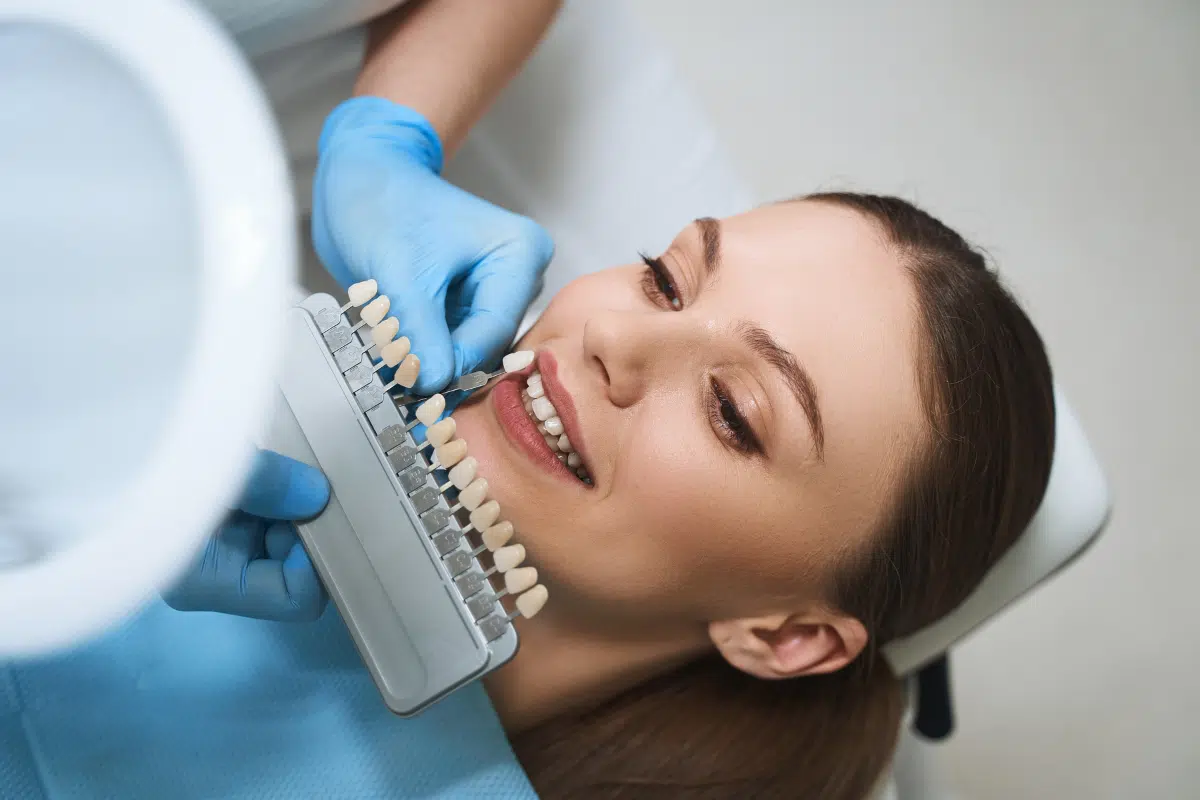
Thinking about cosmetic dental work? Before you book anything, it helps to know what can go wrong, what to watch out for, and how to protect yourself. Here is a clear, honest look at the risks involved, written for anyone exploring their options.
Cosmetic dentistry has helped a lot of people feel more confident in their smile. From teeth whitening to veneers and dental implants, the options are wider than ever. At Downtown Dental Syracuse, we believe every patient deserves to know the full picture before making a decision. That includes the risks.
When you are looking for a cosmetic dentist in Syracuse, it is easy to focus on results and pricing alone. But understanding potential side effects is just as important as picking the right treatment.
Why Cosmetic Dentistry Carries Some Risk
Any dental procedure, cosmetic or not, involves working inside your mouth. That means there is always some level of risk, no matter how skilled the provider is. The key is knowing what those risks are so you can make smart choices.
Most side effects from cosmetic dental work are short-term and manageable. A few are more serious. Either way, being informed puts you in control.
Common Risks by Treatment Type
Teeth Whitening
Whitening is one of the most popular services at our office, and it is also one of the most misunderstood in terms of risk. Here is what patients commonly experience:
• Tooth sensitivity during or after treatment, especially to hot and cold.
• Gum irritation if the whitening gel touches soft tissue.
• Uneven results on crowns, veneers, or bonded teeth, since whitening only works on natural enamel.
• Temporary results that fade over time, especially with coffee, tea, or tobacco use.
Over-the-counter whitening kits carry higher risks because they are not customized to your teeth. Professional treatments done in a dental office are safer and more predictable.
Porcelain Veneers
Veneers can dramatically change the look of your smile. But the process involves permanently removing a thin layer of enamel, which means there is no going back. That is something every patient should understand before starting.
• Increased tooth sensitivity after enamel removal.
• Chipping or cracking if you grind your teeth or bite hard foods.
• Color mismatch over time as surrounding natural teeth change shade.
• Potential need for replacement every 10 to 20 years.
• Risk of decay at the edges if the veneer is not sealed properly.
Dental Implants
Implants are a surgical procedure. The risks are higher than with non-surgical treatments, and recovery takes longer. That said, they also have the highest long-term success rate of any tooth replacement option.
• Infection at the implant site if post-operative care is not followed.
• Nerve damage, which can cause numbness or tingling in rare cases.
• Implant failure, where the bone does not properly fuse with the titanium post.
• Longer healing periods for patients with diabetes or bone density issues.
• Sinus complications for implants placed in the upper jaw.
Dental Bonding
Dental bonding is one of the least invasive cosmetic options. Risks are minimal, but they are still worth knowing:
• The resin material stains more easily than natural enamel.
• Bonding can chip under pressure from biting or chewing.
• It typically lasts three to seven years before needing a touch-up.
• Color matching may not be perfect with all lighting.
Who Should Be Extra Careful
Certain health conditions raise the risk level for cosmetic procedures. If any of the following apply to you, talk with your dentist before committing to any treatment:
• Gum disease or active cavities (these should be treated first).
• Diabetes, which can slow healing and increase infection risk.
• Bruxism (teeth grinding), which can damage veneers, bonding, and implants.
• Autoimmune conditions or medications that affect healing.
• Pregnancy (certain procedures should be delayed).
• Heavy tobacco or alcohol use, which affects healing and long-term outcomes.
What Responsible Cosmetic Dental Care Looks Like
A good cosmetic dentist in Syracuse will never rush you into a procedure. Before any treatment starts, you should expect a thorough exam, a full health history review, honest conversation about what to expect, and clear information about aftercare.
If a provider skips these steps, that is a red flag. Cosmetic work should always start with a strong foundation of oral health.
At Downtown Dental Syracuse, we always complete a comprehensive exam before recommending any cosmetic treatment. We check for gum disease, structural problems, and any underlying issues that could affect your outcome.
How to Lower Your Risk Before and After Treatment
You have more control over outcomes than you may think. These steps make a real difference:
• Be honest with your dentist about medications, health conditions, and habits.
• Ask questions before agreeing to any procedure.
• Follow all aftercare instructions exactly.
• Avoid tobacco, especially in the weeks following surgery or implant placement.
• Keep all follow-up appointments.
• Use a nightguard if you grind your teeth.
• Maintain regular cleanings twice a year.
Finding the Right Provider Close to Home
Searching for a dentist near me is the right first step. But not all providers offering cosmetic work have the same level of training or experience. Here is what to look for when comparing options in the Syracuse area:
• Board certification and continuing education in cosmetic dentistry.
• Before-and-after photos from actual patients.
• Clear written treatment plans with itemized costs.
• A willingness to answer your questions without pressure.
• Positive reviews that mention honest communication, not just results.
Convenience matters too. Having your dentist close by makes follow-ups easier and means you can get help quickly if something does not feel right after a procedure.
Making an Informed Decision About Your Smile
Cosmetic dentistry can be life-changing when it is done well and chosen wisely. The goal of this post is not to scare you away from treatment. It is to make sure you go in with clear eyes. Know the risks. Ask the right questions. Choose a provider you trust. And take good care of the results once you have them.
If you are looking for a cosmetic dentist in Syracuse with a transparent, patient-first approach, we would love to talk. Schedule a consultation with Downtown Dental Syracuse and let us walk you through your options without any pressure.
Still have questions? You can also search for a dentist near me to compare local providers, or contact our Downtown Dental Syracuse office directly. We are here to help you make the choice that is right for you.
Frequently Asked Questions
1. Is cosmetic dentistry safe?
Yes, most cosmetic procedures are safe when performed by a qualified dental professional. Risk is lower when your dentist does a full health screening first and when you follow aftercare instructions carefully.
2. What are the most common side effects of teeth whitening?
Tooth sensitivity and mild gum irritation are the most common. Both usually go away within a few days. Using a sensitivity toothpaste before and after treatment can help.
3. Can cosmetic dental work damage healthy teeth?
Some procedures, like veneers, do require removing enamel, which is permanent. This is why choosing the right treatment for your situation matters. A good dentist will only recommend what is truly needed.
4. How long do cosmetic dental results last?
It depends on the treatment. Whitening may last six months to two years. Bonding typically lasts three to seven years. Veneers last ten to twenty years. Implants can last a lifetime with proper care.
5. What should I do if I notice pain or swelling after a procedure?
Contact your dental office right away. Some discomfort after procedures is normal, but swelling, sharp pain, or fever can be signs of infection or other complications that need prompt attention.
6. Can I get cosmetic work done if I have gum disease?
Not until the gum disease is treated first. Cosmetic procedures on unhealthy gums carry much higher risk of failure and infection. Treating underlying oral health problems is always the first step.
7. Are dental implants worth the risk?
For most patients, yes. Implants have a success rate above 95% and are the most durable tooth replacement available. The key is making sure you are a good candidate through proper screening before surgery.
8. How do I know if a cosmetic dental provider is qualified?
Look for a provider who has completed additional training in cosmetic dentistry, shares patient results openly, and takes time to explain your options. Memberships in professional dental organizations and strong patient reviews are also good indicators.