315-422-0894


The Tooth Has Been Missing for Years: What Changes Inside Your Mouth While You Wait for Replacement
November 13, 2026
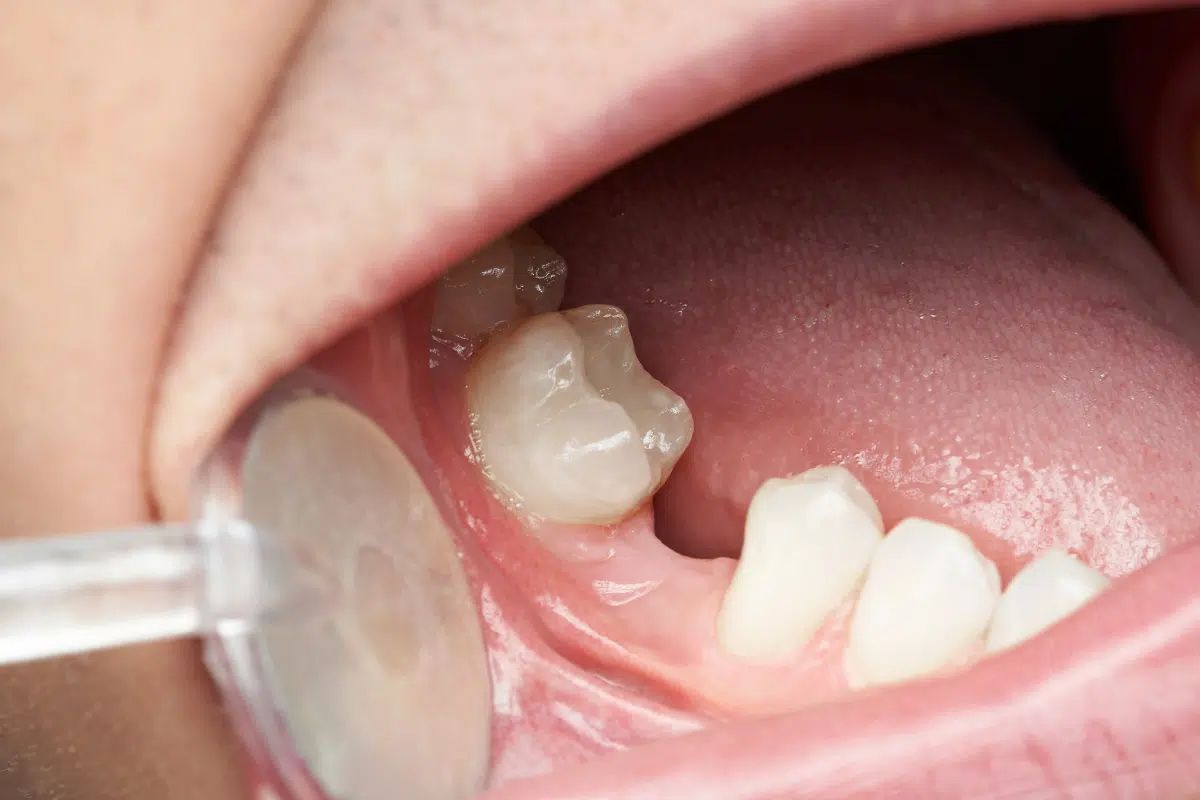
You lost a tooth a while back. Maybe it was a deep cavity, a crack, or an extraction you planned to follow up on. The gap did not hurt, so life kept moving.
Here is what many people never hear. A missing tooth is not a quiet gap. Your mouth keeps changing around it, month after month. Bone gets thinner, nearby teeth shift, and your bite slowly changes.
The good news is that waiting does not close the door. Many adults who explore dental implants in syracuse after years of delay still have solid options. This guide explains what changes in your mouth over time, what you can do right now, and how to choose a replacement with clear facts.
A Quick Self-Check
Do any of these sound familiar?
- You chew mostly on one side.
- Food keeps getting stuck near the gap.
- A tooth next to the gap looks tilted.
- A tooth above or below the gap seems longer.
- Your cheek looks a little flatter on that side.
If you nodded at two or more, keep reading. These are common signs that your mouth has started to adjust to the gap.
What Happens Inside Your Mouth After a Tooth Goes Missing
Teeth and bone work as a team. A tooth root sits in the jawbone, and each time you chew, it sends small pressure signals into the bone. Those signals tell your body to keep that bone strong. When the root is gone, the signals stop.
The Jawbone Starts to Shrink
Without a root to support it, the bone in that spot slowly melts away. Our clinic’s implant information notes that major bone loss can begin within 3 to 6 months after an extraction. The loss keeps going for years. The ridge gets thinner and shorter, which can make a later implant harder to place without extra steps.
Nearby Teeth Start to Move
Teeth lean on each other for support. When one is gone, the teeth beside it tilt toward the gap. The tooth on the opposite jaw can grow longer because nothing meets it. These shifts create tight spots where food hides and a toothbrush cannot reach.
Your Bite and Jaw Take the Strain
Most people start chewing on the other side without thinking about it. That side wears down faster. Over time, you may notice jaw soreness, clicking, or chipped teeth. A small bite change can add up over several years.
Gums, Cheeks, and Speech Change Too
Gum tissue near the gap can swell or pull back. Food packs in, plaque builds up, and the risk of decay and gum disease rises for the teeth beside the gap. After several years of bone loss, the cheek or lip can lose support, and the face may look a bit sunken. Missing teeth can also change how some sounds come out when you talk.
How the Changes Add Up
| Time Since Tooth Loss | What Often Happens | Why It Matters |
| First 3 to 6 months | Bone starts to thin where the root was | A bone graft at this stage can protect the ridge |
| 1 to 2 years | Nearby teeth tilt, and the opposite tooth drifts toward the gap | The space narrows and the bite shifts |
| 3 to 5 years | Uneven chewing, extra wear, and gum trouble near the gap | More repair work may be needed |
| 5 years or more | The ridge is clearly thinner and the face may look less full | An implant may need a graft first |
These are general patterns. Every mouth is different, and only an exam shows what is happening in yours.
Is It Too Late After Years of Waiting?
Usually, no. Bone loss makes treatment more involved, but it rarely rules it out. Your dentist checks your bone with X-rays and a 3D CBCT scan, which shows bone height, bone width, and where nerves sit. Based on the results, your plan may include:
- A bone graft to rebuild the ridge. According to our clinic, a graft turns into solid bone in about 3 months.
- Treatment for gum disease first, so the area is healthy before surgery.
- Invisalign to move shifted teeth back into place if the gap has narrowed.
Each step should have a clear reason, and your dentist should explain it before you begin.
How the Implant Process Works
An implant is a small titanium post that replaces the tooth root. The usual steps look like this:
- Exam and scan. Your dentist reviews your health, gums, and bone.
- Prep work. A damaged tooth is removed or a graft is placed, if needed.
- Implant placement. The post is set into the jawbone. Sedation options are available if you feel anxious.
- Healing. Over about 3 months, bone grows onto the post and holds it firmly.
- Final tooth. A connector (called an abutment) and a custom crown are attached.
The timeline varies by case. For many people who choose dental implants in Syracuse, the full process runs several months. Most of that time is bone healing, not time in the chair. Your dentist will give clear rules for eating and cleaning while you heal.
Comparing Your Replacement Options
Implants are not the only choice. Here is how the common options compare.
| Option | How It Works | Protects Jawbone? | Daily Care | Good to Know |
| Dental implant | Titanium post plus a crown | Yes, the post acts like a root | Brush and floss like a natural tooth | Takes several months from start to finish |
| Fixed bridge | A crown on each side of the gap holds a false tooth | No, bone under the gap still shrinks | Floss with a threader | Nearby teeth must be reshaped |
| Partial denture | A removable plate with false teeth | No | Remove and clean every day | Can shift and may feel bulky |
| No replacement | The gap stays open | No | Extra care around the gap | Bone loss and tooth shifting continue |
Bridges and dentures still work well for some people. The right pick depends on your health, your budget, and your timeline. If an implant is not a fit, your dentist can walk you through the next best choice.
What You Can Do While You Wait
- Brush and clean between teeth. Use fluoride toothpaste twice a day and clean between your teeth daily. The American Dental Association shares simple home care steps for both.
- Watch the teeth beside the gap. Floss or small brushes help where food collects.
- Chew on both sides when you can.
- Keep cleanings and X-rays on schedule so changes get caught early.
- Mention smoking or diabetes to your dentist. Both affect healing, and your dentist can plan around them.
- Do not wait for pain. Gaps rarely hurt, even while bone is shrinking.
Who Is a Good Candidate?
Most healthy adults with healthy gums and enough bone can qualify. Age alone is not a barrier. What matters most is gum health, bone volume, whether you smoke, and whether conditions like diabetes are under control. If bone is low, a graft may fix that. A scan and exam settle the question, not guesswork.
Planning Care in Central New York
Between work, school runs, and long winters, dental visits are easy to push back. Tooth replacement in Syracuse, NY often takes several appointments over a few months, so plan around your calendar. Downtown Dental Syracuse is at 120 E. Washington St., Suite 101, in the Historic University Building.
Cost depends on how many teeth are missing, whether you need a graft, and the type of crown. Ask for a written plan and estimate before you start. Office manager Tina Galluzzo, RDH, helps patients work through insurance benefits and payment plans, and the practice has information for patients without dental insurance.
Meet Our Dentists
Experience matters when bone, gums, and bite all play a role. Here are the two doctors who treat missing teeth at Downtown Dental Syracuse.
Dr. Tyler Mead, DDS. Dr. Mead earned his B.S. in Biology at LeMoyne College and his dental degree at the University at Buffalo School of Dental Medicine. In 2008, he finished a one-year general practice residency at York Hospital in Pennsylvania, where he gained added training in placing and restoring implants. He was named Most Outstanding Resident of the year. He has practiced since 2008 and offers implant placement, implant crowns, extractions, root canals, and more. He has also served on the Greater Strathmore Neighborhood Association board since 2013.
Dr. Chris Zimmerman, DMD. Dr. Zimmerman holds a B.S. in Chemistry from LeMoyne College and a dental doctorate from the University of Pennsylvania. He has been in private practice since 1993 at the Historic University Building in downtown Syracuse. His focus areas include dental implants, laser dentistry, Cerec crowns, and Invisalign, so he can address shifted teeth and a missing tooth in one plan. He spent 10 years as a dental consultant at the Centers at St. Camillus, caring for older adults and patients with traumatic brain injury. He is a member of the American Dental Association, the New York State Dental Association, the Fifth District Dental Society, and the Onondaga County Dental Society.
The team’s registered dental hygienists also help keep gums healthy before and after implant treatment.
Take the Next Step
A missing tooth does not heal itself, and the changes in your mouth continue until the space is filled. The sooner you get a scan, the more choices you have. If you have been weighing dental implants in syracuse for some time, an exam and 3D scan can give you real answers in place of guesses. Your dentist can also explain bridges and dentures if those suit you better.
Schedule a consultation with Downtown Dental Syracuse to see how your bone, gums, and bite look today. Bring your questions and any past X-rays. You can also request an appointment on the clinic’s website.
Frequently Asked Questions
1. How fast does bone shrink after a tooth is lost?
It varies by person. Our clinic’s information says noticeable loss can start within 3 to 6 months. The shrinking continues for years if the root is not replaced.
2. Can I get an implant if my tooth has been gone for 10 years or more?
Often, yes. A 3D scan shows how much bone is left. If the ridge is thin, a bone graft may be added first.
3. Will I need a bone graft?
Not always. People who lost a tooth recently are less likely to need one. After several years, a graft is more common. Your scan results decide.
4. How long does the whole process take?
Most cases take several months. A graft needs about 3 months to turn into solid bone, and the implant needs about 3 more months to bond with the jaw. Simple cases can move faster.
5. Does the procedure hurt?
The area is numbed during treatment, and sedation options are available. Mild soreness afterward is common, and your dentist will explain how to manage it.
6. How long do implants last?
With good brushing, flossing, and regular checkups, implants can last for decades. Our clinic’s information lists success rates of about 95% to 98%.
7. What if an implant is not right for me?
A fixed bridge or a partial denture can replace the tooth. Neither protects the jawbone the way an implant does, but both restore chewing and appearance.
8. How much does it cost, and does insurance help?
Cost depends on the number of teeth, any grafting, and the type of crown. Coverage differs by plan. Ask for a written estimate, and ask the office team to check your benefits and talk through payment options.