315-422-0894


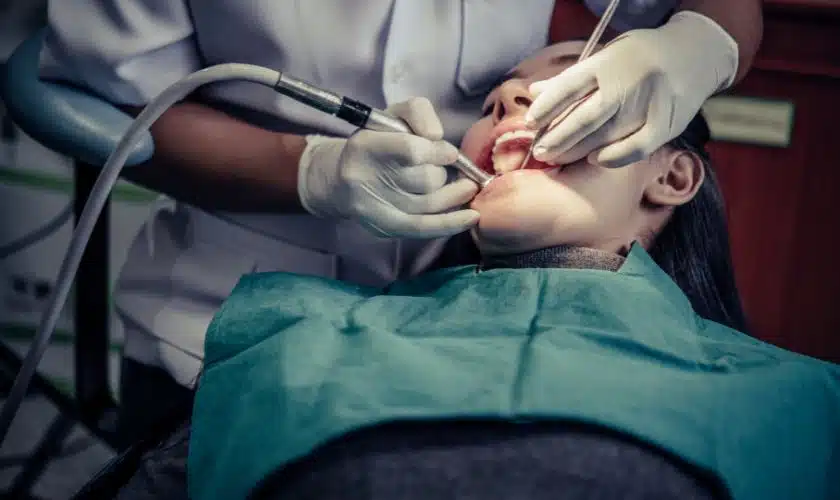
If the words “root canal” make you nervous, you are not alone. Many people feel anxious just hearing those two words. But here is the truth: a root canal is one of the most common and straightforward dental procedures out there. Understanding what it actually involves can make a big difference in how you feel about it.
Whether you are dealing with tooth pain right now or just want to be informed, this guide breaks it all down for you in plain, simple terms.
What Is a Root Canal, Really?
A root canal is a treatment that saves a tooth when the inside of it (called the pulp) gets infected or badly damaged. The pulp contains nerves and blood vessels. When it gets infected, it causes serious pain and, if left alone, can lead to bigger health problems.
During the procedure, the dentist removes the infected pulp, cleans the inside of the tooth, and seals it up. That is it. The tooth stays in place, and you get relief from the pain.
Why Would You Need One?
Here are the most common reasons a dentist may recommend this treatment:
- A deep cavity that reached the pulp
- A cracked or broken tooth from injury
- Repeated dental work on the same tooth
- Severe tooth sensitivity to hot or cold
- Swelling or tenderness around the gum
Ignoring these signs can make things worse. The infection can spread to nearby teeth or even your jaw.
Does It Hurt? Let Us Be Honest
This is the biggest fear people have. The honest answer is: the treatment itself is not painful. The pain you feel before the procedure (from the infection) is the real problem.
Dentists use local anesthesia to numb the area completely before they begin. Most patients say it feels similar to getting a regular filling. You may feel some pressure, but not sharp pain.
After the procedure, mild soreness for a day or two is normal. Over-the-counter pain relief usually takes care of it.
The Step-by-Step Process
Knowing what to expect helps a lot. Here is a simple breakdown:
Step 1: X-ray and Exam
The dentist checks the tooth and takes an X-ray to see the shape of the root and find the infection.
Step 2: Anesthesia
The area around the tooth is numbed so you feel comfortable throughout.
Step 3: Removing the Pulp
A small opening is made in the top of the tooth. The infected pulp is carefully removed.
Step 4: Cleaning and Shaping
The inside of the tooth is cleaned and shaped to prepare it for filling.
Step 5: Sealing
The tooth is filled with a rubber-like material and sealed.
Step 6: Crown Placement
A crown is usually placed on top to protect the tooth and restore full function.
The whole process may take one or two visits depending on the case.
How to Find the Right Dental Care
When it comes to Root Canal treatment in Syracuse, the quality of care matters a lot. Not every clinic offers the same level of attention, technology, or patient comfort.
Down Town Dental Syracuse is one name that local patients trust. Located in Syracuse, New York, the clinic takes a clear and patient-first approach to every procedure. While there are many dental clinics in nearby areas across Onondaga County and the surrounding communities, Down Town Dental Syracuse stands out by combining clinical skill with genuine care for every patient who walks through the door. They do not rush you, and they take time to explain what is happening at every step.
Syracuse is home to a large and diverse community, and dental health needs vary across different age groups and backgrounds. Having a clinic that understands local patients and offers personalized care makes a real difference.
What Happens If You Skip the Treatment?
Some people try to avoid the procedure because of fear or cost concerns. But waiting can lead to:
- The infection spreading to the jawbone
- Loss of the tooth entirely
- Abscess formation, which is painful and serious
- Higher treatment costs later on
A root canal is almost always less expensive and less painful than dealing with the long-term effects of an untreated infection.
Recovery and Aftercare Tips
Recovery is easier than most people expect. Here is how to take care of yourself after the procedure:
- Avoid hard or chewy foods for a few days
- Do not chew on the treated side until the crown is placed
- Brush and floss gently around the area
- Take any prescribed medication as directed
- Call your dentist if the pain gets worse instead of better
Most people return to their normal routine the very next day.
How to Know If You Need One Right Now
You may need to visit a dentist soon if you notice:
- Tooth pain that does not go away
- Pain when biting or chewing
- A pimple-like bump on your gum
- Tooth discoloration (darker than usual)
- Swollen or tender gums
Do not wait for the pain to get unbearable. Early treatment is always better and usually simpler.
Local Patients: You Have a Reliable Option Nearby
If you are in or around Syracuse, getting Root Canal treatment in Syracuse does not have to be stressful. We offer a comfortable environment and uses modern techniques to make the experience as smooth as possible.
Being a part of the Syracuse community means understanding what local families need, whether it is flexible scheduling, clear cost explanations, or just a calming environment for nervous patients. The clinic has built its reputation by treating every patient with honesty and care.
And while many dental practices operate across Central New York, finding a dentist Syracuse residents feel comfortable with is key to staying on top of your dental health long-term.
Frequently Asked Questions
1. How long does the procedure take?
Most root canals take between 60 and 90 minutes. Some complex cases may need a second visit.
2. Is the procedure safe?
Yes. It is a standard and widely performed dental procedure with a very high success rate.
3. How long does a treated tooth last?
With proper care and a crown, a treated tooth can last a lifetime.
4. Can I eat after the procedure?
Wait until the numbness wears off. Then stick to soft foods for a day or two.
5. Will my tooth look normal afterward?
Yes. A crown is placed over the tooth to restore its look and function completely.
6. Is there an age limit for this treatment?
No. Both adults and older teenagers can have this treatment. The dentist will assess each case individually.
7. What if I am scared of dental procedures?
Let your dentist know. Many clinics offer options to help anxious patients feel more relaxed during the visit.
8. How do I know if my tooth can be saved or needs to be pulled?
Only a dentist can make that call after an exam and X-ray. In most cases, saving the tooth is the preferred option.
Conclusion
A root canal is not something to fear. It is a tooth-saving procedure that relieves pain and protects your health. The more you know about it, the easier it is to take that first step.
If you have been putting off treatment because of fear or uncertainty, now is a good time to act. When looking for quality Root Canal treatment, you deserve a dental team that is honest, skilled, and focused on your comfort. As a trusted dentist Syracuse families and individuals rely on, Down Town Dental Syracuse is here to help you make the right decision for your dental health. Schedule a consultation with us today and take the first step toward a healthier, pain-free smile.