315-422-0894


Tooth Regeneration and Future Dental Science: How Scientists Are Working to Regrow Your Teeth
February 15, 2026
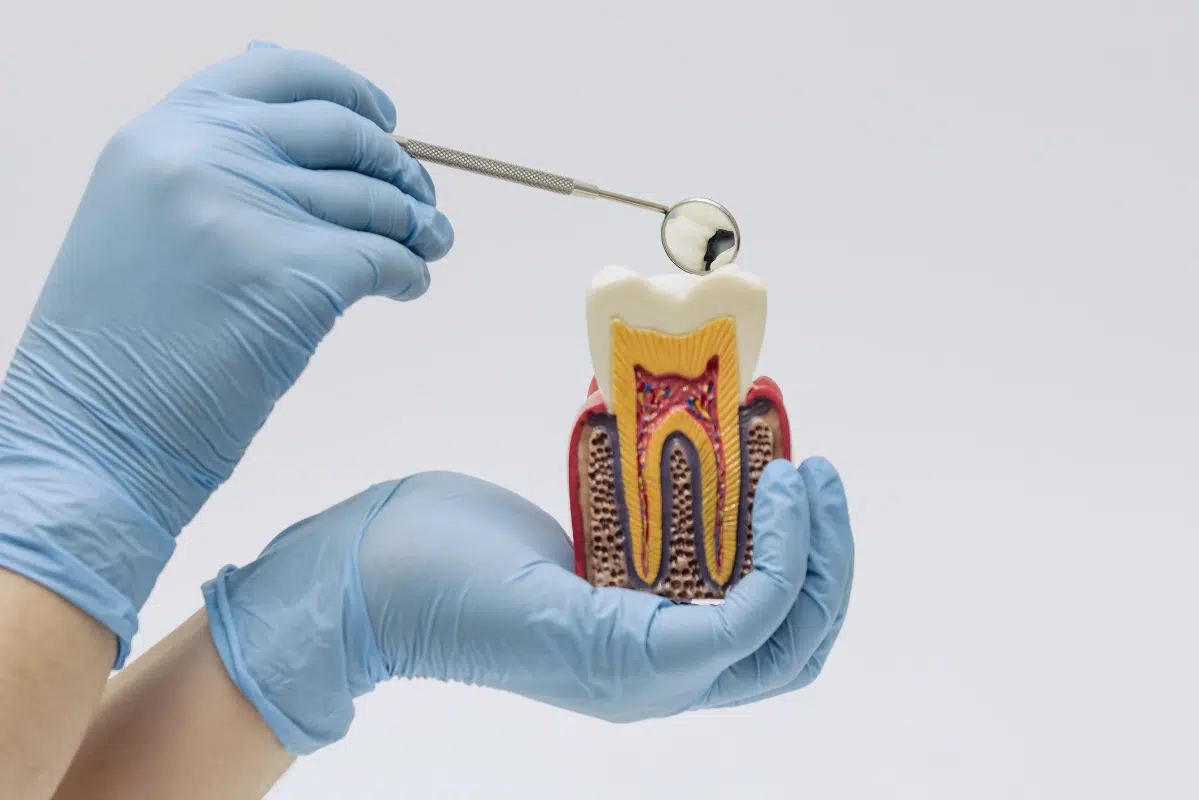
Imagine a world where losing a tooth doesn’t mean settling for implants or bridges. What if your body could simply grow a new one? This isn’t science fiction anymore. Researchers around the globe are making real progress in tooth regeneration, and the results could change everything we know about dental care.
For patients visiting a dentist Syracuse practice today, the future looks brighter than ever. Let’s explore what tooth regeneration means and how it might transform your dental visits in the coming years.
What Is Tooth Regeneration?
Tooth regeneration is the process of growing new teeth using your body’s natural abilities. Unlike current treatments that replace missing teeth with artificial materials, regeneration aims to create real, living teeth that function just like the ones you were born with.
Scientists are studying how animals like sharks and alligators regrow teeth throughout their lives. These creatures have special cells that keep producing new teeth when old ones fall out. Humans have similar cells, but they stop working after our adult teeth come in. The goal is to reactivate these sleeping cells or create new ones that can do the job.
How Does It Work?
The science behind tooth regeneration involves several approaches. Each method has its own promise and challenges.
Stem Cell Therapy
Stem cells are special cells that can turn into different types of tissue. Researchers can now guide these cells to become tooth tissue, including enamel, dentin, and even the roots. Scientists have already grown small tooth buds in laboratory settings. The next step is making this work safely inside a human mouth.
Gene Therapy
Some studies focus on turning on specific genes that control tooth development. By activating these genes in adult patients, scientists hope to trigger the body to grow new teeth naturally. Early research in mice has shown promising results, with animals growing extra teeth when certain genes were activated.
Tissue Engineering
This approach uses scaffolds made from special materials that help guide new tooth growth. Cells are placed on these scaffolds, which are then implanted where a new tooth is needed. Over time, the cells grow and form a complete tooth while the scaffold dissolves away.
Current Progress and Real Results
Japanese researchers recently made headlines with a drug that could help people grow new teeth. Their clinical trials are showing that it’s possible to regrow teeth in patients with certain genetic conditions. While this treatment targets a specific group right now, it opens the door for broader applications.
In the United States, including right here in Central New York, dental researchers are working on regenerative techniques. A dentist Syracuse NY office might not offer full tooth regeneration yet, but many are already using early regenerative therapies. These include treatments that help damaged teeth repair themselves using special proteins and growth factors.
What This Means for Your Dental Health
The impact of tooth regeneration will be huge. Here’s what could change:
No More Drilling and Filling: Instead of removing decay and filling the cavity, dentists might apply treatments that help your tooth rebuild the damaged area naturally.
Natural Tooth Replacement: Lost teeth could be regrown rather than replaced with implants or dentures. This means better function, natural appearance, and no risk of implant rejection.
Stronger Teeth from the Start: Children might receive treatments that strengthen tooth development, reducing cavities and other problems throughout their lives.
Lower Long-Term Costs: While initial treatments might be expensive, regrowing your own teeth could save money compared to a lifetime of repairs and replacements.
Challenges We Still Face
Despite the exciting progress, tooth regeneration isn’t ready for your next dental appointment. Several hurdles remain:
Growing a tooth takes time. Natural tooth development happens over years, and speeding this up safely is difficult. Current research aims to reduce this timeline to something practical for patients.
Scientists need to ensure new teeth grow in exactly the right spot, facing the right direction, and at the right size. Getting this precision right is critical for proper bite and function.
Any new treatment must pass strict safety testing. The FDA requires extensive trials to prove that regenerative treatments work and don’t cause unexpected problems.
Local Perspectives on Dental Innovation
For Syracuse residents, staying informed about dental advances matters. Our community has always valued quality healthcare, and dental care is no exception. Local dental practices keep up with new research and often participate in continuing education about emerging treatments.
The winters here are tough on our teeth. Cold weather can make teeth more sensitive, and hot drinks followed by cold air create stress on enamel. Future regenerative treatments could help repair this seasonal damage naturally, making life more comfortable for everyone who braves our snowy months.
Many Syracuse families also deal with the legacy of older dental work. Fillings from decades ago eventually need replacement. Regenerative dentistry could offer a permanent solution instead of another round of repairs.
When Will This Be Available?
Most experts predict that basic regenerative treatments will become available within the next 10 to 15 years. Simple procedures like regrowing parts of damaged teeth might come first. Complete tooth regeneration will likely take longer.
Your current dentist Syracuse provider can keep you updated on new options as they become available. Many practices are already preparing for these changes by training staff and updating equipment.
What You Can Do Now
While we wait for regeneration to become reality, protecting your natural teeth remains crucial. Good habits today mean healthier teeth that might benefit from regenerative treatments tomorrow.
Brush twice daily with fluoride toothpaste. Floss every day to remove plaque between teeth. Visit your dentist regularly for cleanings and checkups. These simple steps prevent damage that you might someday be able to reverse, but it’s always better to avoid problems in the first place.
Ask your dental provider about current regenerative options. Some practices already offer treatments that help teeth remineralize and repair minor damage. These early regenerative therapies can strengthen your teeth and reduce the need for more invasive procedures.
Frequently Asked Questions
1. Will regenerated teeth look and feel natural?
Yes. The goal is to grow teeth that are identical to your natural ones, with real enamel, dentin, and roots that connect to your jawbone normally.
2. How much will tooth regeneration cost?
Pricing isn’t set yet, but early treatments will likely be expensive. Costs should decrease as the technology becomes more common and refined.
3. Can regeneration fix teeth damaged by cavities?
Future treatments aim to repair cavity damage by regrowing the affected tooth structure. Some early therapies already help with minor damage.
4. Will insurance cover regenerative dental treatments?
Insurance coverage will evolve as treatments become available. Since regeneration could prevent more expensive procedures later, insurers may eventually prefer covering these options.
5. Is tooth regeneration safe?
All treatments must pass rigorous safety testing before approval. Current research shows promise, but long-term studies are still needed.
6. Can adults benefit from tooth regeneration?
Yes. While children’s bodies might respond more readily, regenerative treatments are being developed for patients of all ages.
7. How long does it take to grow a new tooth?
Current estimates suggest several months to over a year, depending on the method used. Researchers are working to shorten this timeline.
8. What happens to existing dental work during regeneration?
This depends on the specific treatment. Some approaches work alongside existing fillings or crowns, while others might require removing old dental work first.
Conclusion
The future of dental care is exciting, and staying informed helps you make better decisions about your oral health. Whether you’re dealing with a current dental issue or planning for the future, understanding your options matters.
If you’re curious about the latest developments in dental science or want to learn what regenerative options might already be available to you, talking with a knowledgeable dentist Syracuse professional is your best move. They can assess your specific situation and discuss both current treatments and upcoming possibilities.
Don’t wait for dental problems to get worse. Regular checkups catch issues early when they’re easier to treat. And as regenerative therapies become available, you’ll be in the best position to take advantage of them if you’ve maintained good dental health. Ready to learn more about how modern dental science can help you? Schedule a consultation with your dental provider today. Together, you can create a plan that protects your smile now and prepares you for the amazing advances coming soon.