315-422-0894


Dental implants are an excellent solution for individuals who have lost one or more teeth due to injury, decay, or other dental issues. Not only do they restore functionality, but they also enhance aesthetics by offering a natural-looking replacement. However, understanding the different options for dental implant restoration is key to choosing the right solution for your specific needs. This blog will cover the most popular dental implant restoration methods and their benefits.
What Are Dental Implants?
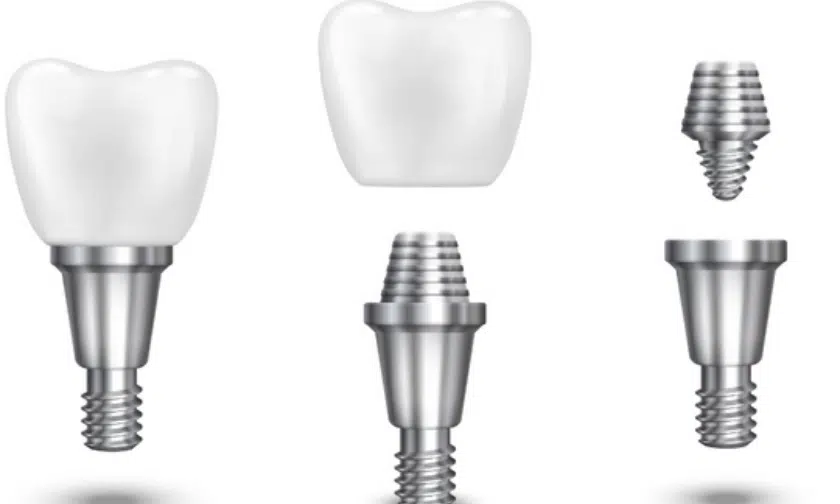
Before diving into the restoration options, it’s essential to understand what dental implants are and how they work. A dental implant consists of three main components:
Implant Fixture: The titanium or ceramic screw that is surgically placed into the jawbone. It serves as the root for the new tooth.
Abutment: A connector that is placed on top of the implant fixture to hold the replacement tooth or teeth.
Crown, Bridge, or Denture: The actual restoration that mimics a natural tooth or teeth, anchored by the abutment and the implant fixture.
Options For Dental Implant Restoration
1. Single Tooth Dental Implant Restoration
For patients who are missing only one tooth, a single-tooth dental implant is the most common and straightforward option. This involves placing one dental implant into the jawbone, followed by attaching a dental crown. The crown is custom-made to match the size, shape, and color of your natural teeth, ensuring a seamless fit into your smile.
Benefits:
- Preservation of Surrounding Teeth: Unlike bridges that require adjacent teeth to be altered for support, a single implant does not impact surrounding healthy teeth.
- Longevity: With proper care, a single dental implant can last a lifetime.
- Improved Functionality: It restores full chewing capability without slipping or moving, as can happen with dentures.
2. Implant-Supported Bridges
For individuals missing multiple teeth, an implant-supported bridge is an ideal restoration option. Instead of placing an implant for every missing tooth, dental implants are used to support a bridge that spans the gap. The implants act as anchors for the bridge, providing a durable and natural-feeling replacement for multiple teeth.
Benefits:
- Cost-Effective: Compared to replacing each missing tooth with a single implant, implant-supported bridges reduce the number of implants needed.
- Stability: The implants anchor the bridge securely in place, unlike traditional bridges that rely on the surrounding teeth for support.
- Bone Health: By placing implants in the jawbone, you stimulate bone growth and prevent bone loss, a common issue after losing multiple teeth.
3. Full Arch Implant Restoration (All-on-4)
For patients who are missing an entire arch of teeth, the All-on-4 dental implant technique offers a transformative solution. This method uses just four implants to support a full set of upper or lower teeth. The implants are strategically placed at angles to maximize stability and support, even in patients with some bone loss.
Benefits:
- Fewer Implants: Only four implants are needed to support an entire arch of teeth, making it a more efficient and less invasive procedure.
- Immediate Results: In many cases, patients can leave the dental office with a new set of teeth on the same day as the implant surgery.
- Durability: With proper care, All-on-4 implants can last many years, offering a permanent solution for full arch tooth replacement.
4. Implant-Retained Dentures
For patients who have worn traditional dentures for years but struggle with comfort and stability, implant-retained dentures provide a secure alternative. Instead of relying on adhesives or suction to stay in place, implant-retained dentures are anchored to dental implants. This option can be used for both the upper and lower arches.
Benefits:
- Improved Stability: Implant-retained dentures are more stable than traditional dentures, eliminating concerns about slipping or falling out during speaking or eating.
- Bone Preservation: By stimulating the jawbone, dental implants help prevent the bone loss often associated with long-term denture use.
- Comfort: Patients find that implant-retained dentures feel more comfortable and natural than traditional removable dentures.
5. Zirconia vs. Titanium Implants
When considering dental implant restoration, the material of the implant itself is also worth noting. The two most common materials are titanium and zirconia.
- Titanium Implants: Titanium is the most widely used material for dental implants. It has a long history of success due to its biocompatibility and strength. Titanium implants can also integrate well with the jawbone, making them a durable option for most patients.
- Zirconia Implants: Zirconia is a ceramic material often chosen by patients who prefer a metal-free alternative. Zirconia implants are also highly biocompatible, and they offer a more aesthetic option for patients who have thin or receding gums, as the white color blends better with natural teeth.
Each material has its advantages, and your dentist can help you decide which is the best fit for your specific needs.
6. Mini Dental Implants
For patients who lack the bone density required for traditional dental implants, mini dental implants offer a minimally invasive solution. Mini implants are smaller in diameter than regular implants and are often used to stabilize dentures or replace smaller teeth. The procedure is less invasive, and healing times are typically faster.
Benefits:
- Less Invasive: Mini implants require less bone structure, making them an option for patients who have experienced bone loss.
- Faster Healing: The recovery time is shorter compared to traditional implants.
- Lower Cost: Mini implants are often more affordable than full-sized implants.
7. Bone Grafting and Sinus Lifts
In some cases, patients may not have enough jawbone density to support dental implants. For these individuals, bone grafting or a sinus lift can be performed to build up the bone in preparation for implant placement.
- Bone Grafting: A bone graft involves taking bone material from another area of the body (or using synthetic bone material) and adding it to the jawbone. This procedure helps strengthen the jawbone to support a dental implant.
- Sinus Lift: For patients requiring implants in the upper jaw, a sinus lift may be necessary. This procedure involves lifting the sinus membrane and placing a bone graft beneath it to create more space for implant placement.
Both of these procedures can significantly enhance the success rate of dental implants in patients who might otherwise be ineligible.
Conclusion
Dental implants are a versatile and effective solution for tooth loss, offering several restoration options depending on your needs. Whether you’re missing a single tooth, multiple teeth, or an entire arch, there’s a dental implant restoration option that can restore both the function and appearance of your smile. From single-tooth implants to full-arch restorations like All-on-4, dental implants provide stability, durability, and a natural look. Consulting with your dentist will help determine which option is best for your unique situation.
If you’re considering dental implants or need a restoration, don’t hesitate to schedule a consultation with your dentist to explore the best options for your oral health. Whether you opt for a single implant or a full arch solution, dental implants offer an excellent way to restore your smile and confidence.