
What Not to Do Before Dental Implant?

March 4, 2024
Featured image for “What Not to Do Before Dental Implant?”

When it comes to dental health, ensuring a successful dental implant procedure requires careful preparation and adherence to specific guidelines. Dental implants offer a permanent solution for missing teeth, providing stability and functionality akin to natural teeth. However, before undergoing dental implant surgery, it’s crucial to avoid certain actions and habits that could jeopardize the outcome of the procedure. In this comprehensive guide, we’ll delve into the essential “what not to do” list before dental implant surgery, ensuring a smoother and more successful implantation process. If you’re considering dental implants and seeking an implant dentist, understanding these precautions is paramount.

Know About Dental Implants

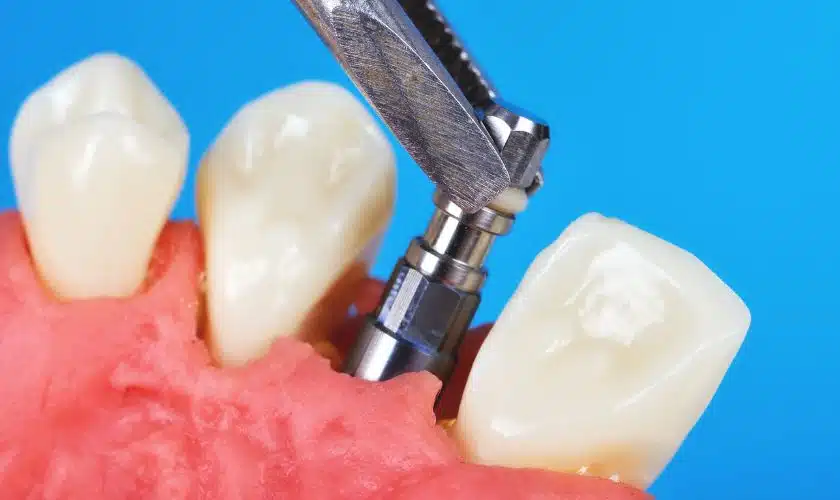
Dental implants are titanium posts surgically inserted into the jawbone to serve as artificial tooth roots. These implants provide a sturdy foundation for replacement teeth, such as crowns, bridges, or dentures. The process involves multiple stages, including consultation, implant placement, osseointegration (the fusion of the implant with bone), and finally, attaching the prosthetic tooth.

What Not to Do Before Dental Implant Surgery?

Following these guidelines diligently can significantly enhance the success rate of your dental implant procedure:

1. Smoking and Tobacco Use

Perhaps the most critical factor to avoid before dental implant surgery is smoking and tobacco use. Nicotine constricts blood vessels, impeding proper blood flow and oxygenation to the gums and jawbone. This can significantly impair the healing process and increase the risk of implant failure. It’s imperative to refrain from smoking and all forms of tobacco use for at least several weeks before and after implant surgery to optimize healing and ensure the longevity of your dental implants.

2. Poor Oral Hygiene

Maintaining excellent oral hygiene is essential before dental implant surgery. Poor oral health, including untreated gum disease or tooth decay, can compromise the success of the implant procedure. Make sure to brush and floss regularly, attend any necessary dental cleanings or treatments, and address any oral health issues before undergoing implant surgery. A clean and healthy oral environment provides the ideal foundation for successful implantation and long-term implant stability.

3. Skipping Preoperative Instructions

Your implant dentist will provide specific preoperative instructions to follow before your dental implant surgery. These instructions may include dietary restrictions, medication guidelines, and pre-surgery preparations. Skipping or neglecting these instructions can disrupt the surgical process and increase the risk of complications. Adhere to all preoperative guidelines provided by your implant dentist diligently to ensure a smooth and successful implantation procedure.

4. Ignoring Medication Guidelines

If you’re taking any medications, it’s crucial to inform your implant dentist beforehand. Certain medications, such as blood thinners or aspirin, may need to be adjusted or temporarily discontinued before surgery to minimize the risk of excessive bleeding. Follow your dentist’s recommendations regarding medication usage closely and notify them of any changes in your medication regimen. Failure to adhere to medication guidelines can compromise the safety and efficacy of your dental implant surgery.

5. Neglecting Nutritional Needs

Proper nutrition plays a vital role in promoting healing and tissue regeneration after dental implant surgery. Before your procedure, focus on maintaining a balanced diet rich in vitamins, minerals, and protein. Avoid excessive consumption of sugary or acidic foods and beverages, as they can impede healing and increase the risk of complications. Consult with your implant dentist or a nutritionist for dietary recommendations tailored to support optimal healing and implant success.

6. Excessive Alcohol Consumption

While an occasional glass of wine or beer may be acceptable, excessive alcohol consumption should be avoided before dental implant surgery. Alcohol can interfere with anesthesia, impair wound healing, and increase the risk of bleeding and infection. It’s advisable to refrain from drinking alcohol for at least 24 to 48 hours before your implant procedure to minimize these risks and ensure a smoother surgical experience.

In conclusion, preparing for dental implant surgery involves more than just scheduling the procedure. By adhering to the essential guidelines outlined in this guide and avoiding common pitfalls, you can significantly enhance the success rate and longevity of your dental implants. Remember to choose a reputable dentist in Syracuse, follow preoperative instructions diligently, and prioritize your oral and overall health before undergoing implant surgery. With proper care and preparation, dental implants can transform your smile and restore function, confidence, and quality of life for years to come.


Share:
March 4, 2024

When it comes to dental health, ensuring a successful dental implant procedure requires careful preparation and adherence to specific guidelines. Dental implants offer a permanent solution for missing teeth, providing stability and functionality akin to natural teeth. However, before undergoing dental implant surgery, it’s crucial to avoid certain actions and habits that could jeopardize the outcome of the procedure. In this comprehensive guide, we’ll delve into the essential “what not to do” list before dental implant surgery, ensuring a smoother and more successful implantation process. If you’re considering dental implants and seeking an implant dentist, understanding these precautions is paramount.

Know About Dental Implants

Dental implants are titanium posts surgically inserted into the jawbone to serve as artificial tooth roots. These implants provide a sturdy foundation for replacement teeth, such as crowns, bridges, or dentures. The process involves multiple stages, including consultation, implant placement, osseointegration (the fusion of the implant with bone), and finally, attaching the prosthetic tooth.

What Not to Do Before Dental Implant Surgery?

Following these guidelines diligently can significantly enhance the success rate of your dental implant procedure:

1. Smoking and Tobacco Use

Perhaps the most critical factor to avoid before dental implant surgery is smoking and tobacco use. Nicotine constricts blood vessels, impeding proper blood flow and oxygenation to the gums and jawbone. This can significantly impair the healing process and increase the risk of implant failure. It’s imperative to refrain from smoking and all forms of tobacco use for at least several weeks before and after implant surgery to optimize healing and ensure the longevity of your dental implants.

2. Poor Oral Hygiene

Maintaining excellent oral hygiene is essential before dental implant surgery. Poor oral health, including untreated gum disease or tooth decay, can compromise the success of the implant procedure. Make sure to brush and floss regularly, attend any necessary dental cleanings or treatments, and address any oral health issues before undergoing implant surgery. A clean and healthy oral environment provides the ideal foundation for successful implantation and long-term implant stability.

3. Skipping Preoperative Instructions

Your implant dentist will provide specific preoperative instructions to follow before your dental implant surgery. These instructions may include dietary restrictions, medication guidelines, and pre-surgery preparations. Skipping or neglecting these instructions can disrupt the surgical process and increase the risk of complications. Adhere to all preoperative guidelines provided by your implant dentist diligently to ensure a smooth and successful implantation procedure.

4. Ignoring Medication Guidelines

If you’re taking any medications, it’s crucial to inform your implant dentist beforehand. Certain medications, such as blood thinners or aspirin, may need to be adjusted or temporarily discontinued before surgery to minimize the risk of excessive bleeding. Follow your dentist’s recommendations regarding medication usage closely and notify them of any changes in your medication regimen. Failure to adhere to medication guidelines can compromise the safety and efficacy of your dental implant surgery.

5. Neglecting Nutritional Needs

Proper nutrition plays a vital role in promoting healing and tissue regeneration after dental implant surgery. Before your procedure, focus on maintaining a balanced diet rich in vitamins, minerals, and protein. Avoid excessive consumption of sugary or acidic foods and beverages, as they can impede healing and increase the risk of complications. Consult with your implant dentist or a nutritionist for dietary recommendations tailored to support optimal healing and implant success.

6. Excessive Alcohol Consumption

While an occasional glass of wine or beer may be acceptable, excessive alcohol consumption should be avoided before dental implant surgery. Alcohol can interfere with anesthesia, impair wound healing, and increase the risk of bleeding and infection. It’s advisable to refrain from drinking alcohol for at least 24 to 48 hours before your implant procedure to minimize these risks and ensure a smoother surgical experience.

In conclusion, preparing for dental implant surgery involves more than just scheduling the procedure. By adhering to the essential guidelines outlined in this guide and avoiding common pitfalls, you can significantly enhance the success rate and longevity of your dental implants. Remember to choose a reputable dentist in Syracuse, follow preoperative instructions diligently, and prioritize your oral and overall health before undergoing implant surgery. With proper care and preparation, dental implants can transform your smile and restore function, confidence, and quality of life for years to come.


Share: