
Which Dental Implant Treatment Is The Most Suitable For Your Needs?

July 25, 2025
Featured image for “Which Dental Implant Treatment Is The Most Suitable For Your Needs?”

When you lose a tooth, it’s not just your smile that’s affected—it can change how you eat, speak, and even how confident you feel. The good news is that modern dental care offers a reliable solution through dental implant treatment. With multiple options now available, the real question becomes- which option is suitable for your needs?

To answer that, we must examine your unique dental condition, lifestyle, health status, and long-term goals. Let’s review the various treatment options and explore how to choose the one that best suits you.

What Is Dental Implant Treatment?

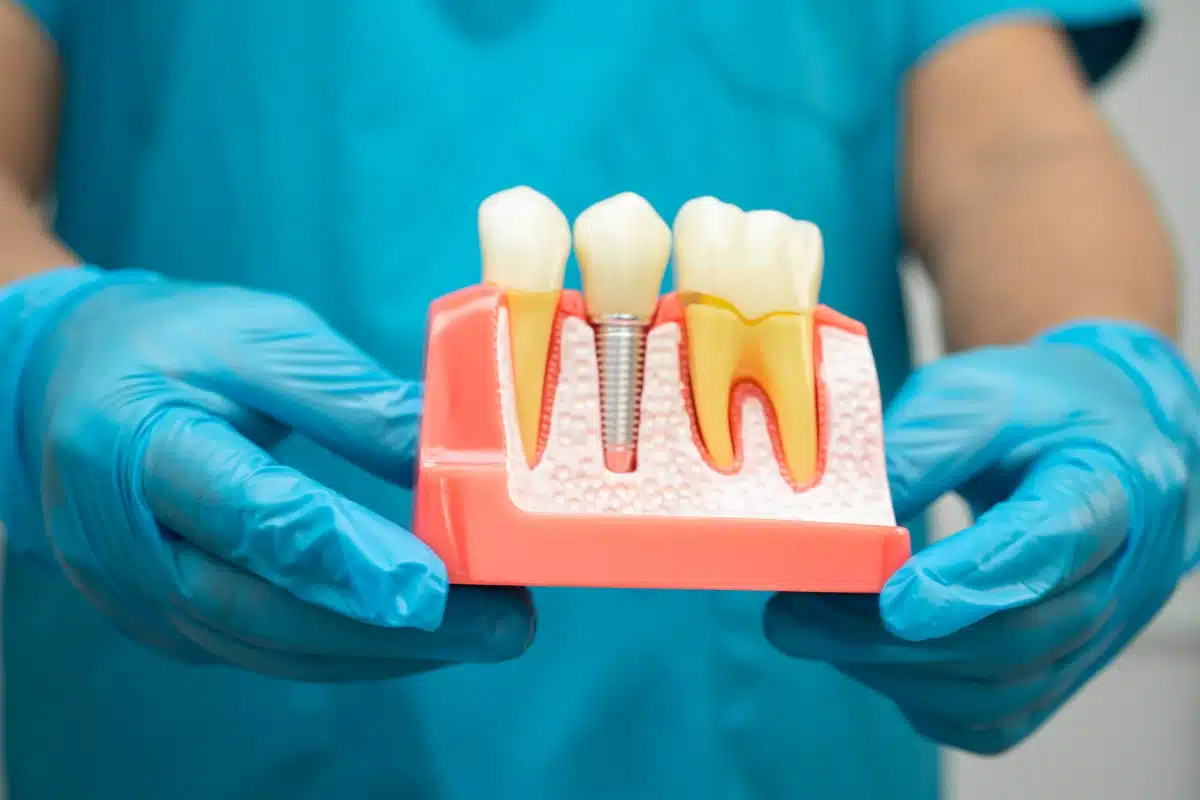
In dental implant treatment, a small titanium post is carefully placed into the jawbone, replacing a lost tooth root. Over time, the bone fuses with the implant, a process known as osseointegration. Once healed, a custom crown is attached to restore appearance and function.

Unlike traditional dentures or bridges, implants offer superior durability, bone preservation, and a more natural feel. But one size doesn’t fit all, so choosing the right type is essential for long-term satisfaction.

Common Types of Dental Implant Treatment

1. Single-Tooth Implants

If you’re missing just one tooth, a single implant topped with a custom crown is often the best solution. It’s designed to blend seamlessly with your natural teeth without affecting the neighboring ones.

Best for: Individuals with good bone density and a single missing tooth.

2. Implant-Supported Bridges

When two or more teeth are missing in a row, implant-supported bridges offer a strong and stable alternative to traditional bridges. Instead of relying on natural teeth for support, they are anchored to implants.

Best for: Patients who want a more permanent and healthier alternative to removable bridges.

3. All-on-4 Implants

This method allows for replacing a full arch of teeth (top or bottom) using just four strategically placed implants. The procedure is streamlined, often offering quicker recovery times and fewer implants.

Best for: Those who have lost most or all of their teeth in one arch and seek a stable, long-term solution.

4. Mini Dental Implants

These are narrower than traditional implants and are often used when there is insufficient bone mass for standard implants. They also involve less invasive surgery and shorter healing times.

Best for: People with limited bone volume who are not candidates for bone grafting procedures.

How to Choose the Right Treatment for You

Every smile is unique, and the best solution depends on your situation. Keep these key factors in mind as you explore your options:

1. Your Bone Health

The density and volume of your jawbone will influence whether traditional or mini implants are more suitable. Bone grafting might be needed in some cases to build a stronger foundation.

2. Oral Hygiene Habits

Dental implants require a commitment to oral care. Daily brushing, flossing, and regular dental checkups are essential for long-term success.

3. Your Lifestyle and Diet

If you lead an active lifestyle and want a solution that feels just like natural teeth, implants may be ideal. They let you eat, smile, and speak with confidence, without the restrictions of dentures.

4. Your Budget and Treatment Goals

Dental implants may require an upfront investment, but their long-lasting benefits often outweigh the cost. Have an open conversation with your dentist about your future goals and what you hope to gain from the treatment—it’s the first step toward a confident, lasting smile.

Daily Tips for Implants Success

Once you’ve chosen your treatment path, caring for your implants is vital:

  • Use a soft-bristled toothbrush and non-abrasive toothpaste
  • Clean between teeth with interdental brushes or floss
  • Avoid smoking, which can compromise healing
  • Attend routine checkups for professional monitoring
  • Wear a mouthguard if you grind your teeth at night

By incorporating these simple habits, you help ensure the longevity of your implants and maintain a healthy, confident smile.

Choosing the proper dental implant treatment isn’t just about replacing a missing tooth—it’s about restoring your comfort, self-esteem, and overall well-being. Whether you need a single implant, a bridge, or a full arch restoration, the best treatment is the one that fits your life, your goals, and your health.

If you’re unsure which direction to take, a personalised consultation can help uncover the best solution for your needs.
Visit our dental office for a detailed evaluation, and let us help you rediscover the joy of a complete, confident smile.


Share:
July 25, 2025

When you lose a tooth, it’s not just your smile that’s affected—it can change how you eat, speak, and even how confident you feel. The good news is that modern dental care offers a reliable solution through dental implant treatment. With multiple options now available, the real question becomes- which option is suitable for your needs?

To answer that, we must examine your unique dental condition, lifestyle, health status, and long-term goals. Let’s review the various treatment options and explore how to choose the one that best suits you.

What Is Dental Implant Treatment?

In dental implant treatment, a small titanium post is carefully placed into the jawbone, replacing a lost tooth root. Over time, the bone fuses with the implant, a process known as osseointegration. Once healed, a custom crown is attached to restore appearance and function.

Unlike traditional dentures or bridges, implants offer superior durability, bone preservation, and a more natural feel. But one size doesn’t fit all, so choosing the right type is essential for long-term satisfaction.

Common Types of Dental Implant Treatment

1. Single-Tooth Implants

If you’re missing just one tooth, a single implant topped with a custom crown is often the best solution. It’s designed to blend seamlessly with your natural teeth without affecting the neighboring ones.

Best for: Individuals with good bone density and a single missing tooth.

2. Implant-Supported Bridges

When two or more teeth are missing in a row, implant-supported bridges offer a strong and stable alternative to traditional bridges. Instead of relying on natural teeth for support, they are anchored to implants.

Best for: Patients who want a more permanent and healthier alternative to removable bridges.

3. All-on-4 Implants

This method allows for replacing a full arch of teeth (top or bottom) using just four strategically placed implants. The procedure is streamlined, often offering quicker recovery times and fewer implants.

Best for: Those who have lost most or all of their teeth in one arch and seek a stable, long-term solution.

4. Mini Dental Implants

These are narrower than traditional implants and are often used when there is insufficient bone mass for standard implants. They also involve less invasive surgery and shorter healing times.

Best for: People with limited bone volume who are not candidates for bone grafting procedures.

How to Choose the Right Treatment for You

Every smile is unique, and the best solution depends on your situation. Keep these key factors in mind as you explore your options:

1. Your Bone Health

The density and volume of your jawbone will influence whether traditional or mini implants are more suitable. Bone grafting might be needed in some cases to build a stronger foundation.

2. Oral Hygiene Habits

Dental implants require a commitment to oral care. Daily brushing, flossing, and regular dental checkups are essential for long-term success.

3. Your Lifestyle and Diet

If you lead an active lifestyle and want a solution that feels just like natural teeth, implants may be ideal. They let you eat, smile, and speak with confidence, without the restrictions of dentures.

4. Your Budget and Treatment Goals

Dental implants may require an upfront investment, but their long-lasting benefits often outweigh the cost. Have an open conversation with your dentist about your future goals and what you hope to gain from the treatment—it’s the first step toward a confident, lasting smile.

Daily Tips for Implants Success

Once you’ve chosen your treatment path, caring for your implants is vital:

  • Use a soft-bristled toothbrush and non-abrasive toothpaste
  • Clean between teeth with interdental brushes or floss
  • Avoid smoking, which can compromise healing
  • Attend routine checkups for professional monitoring
  • Wear a mouthguard if you grind your teeth at night

By incorporating these simple habits, you help ensure the longevity of your implants and maintain a healthy, confident smile.

Choosing the proper dental implant treatment isn’t just about replacing a missing tooth—it’s about restoring your comfort, self-esteem, and overall well-being. Whether you need a single implant, a bridge, or a full arch restoration, the best treatment is the one that fits your life, your goals, and your health.

If you’re unsure which direction to take, a personalised consultation can help uncover the best solution for your needs.
Visit our dental office for a detailed evaluation, and let us help you rediscover the joy of a complete, confident smile.


Share: